Remember when watching a movie at 30,000 feet meant looking at a dusty CRT screen dangling from the ceiling? At that time, the connection did not exist. there was one shared screen available in the entire cabin, and the editing was brutal. If you’re lucky, you might catch a glimpse of the plot, but the narrative is often diminished by the aggressive removal of graphic content.
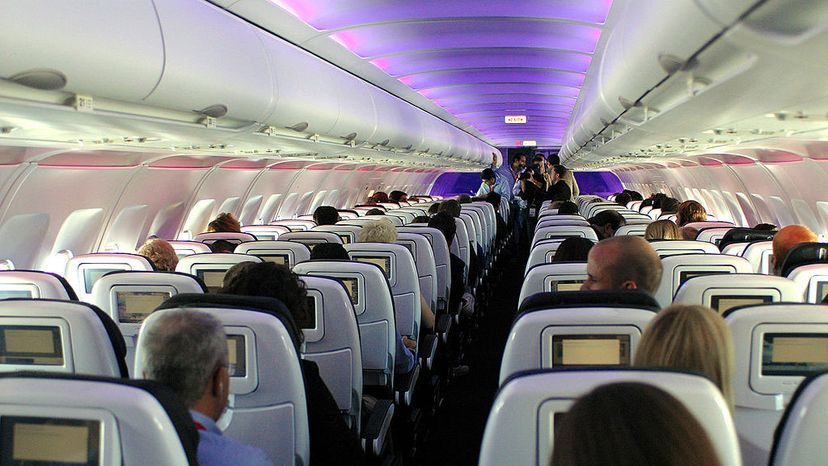
now? We are living in the golden age of in-flight entertainment. Broadband and onboard servers have turned those seatbacks and personal devices into high-definition portals. Stream new releases, watch live TV, play games and more. The options are endless.
But unlimited choices cause a particular headache.
If every passenger has a screen, you can’t assume everyone shares your preferences and tolerances. How do airlines deal with graphic violence, nudity and culturally insensitive jokes when broadcasting content directly to individual seats? The answer is not algorithmic moderation. It is old-school censorship, adapted for the sky.
For blockbusters, studios often create a specific “flight version” of the film. These edits are not subtle. They scrub out the bloodiest violence and downplayed intimate scenes. Content about plane crashes and terrorists was also removed. It’s a pragmatic move. You don’t want passengers panicking because the movie scenes reflect their current reality too closely.
In addition to studio editing, an entire cottage industry is dedicated to this work. Professional content companies edit and distribute customized versions of Hollywood films according to the taboos of different international markets. What flies in Los Angeles may not be well received in Riyadh or the conservative countryside. These editors work in the shadows to ensure that what you see is in line with the global average.
So the next time you wonder why a scene went black or a line of dialogue was missing, remember that someone had to cut it. This is not a mistake; the sky is a shared space. In this area, offense is a risk they don’t want to take.
Cultural censorship: pork, violence, taboo
Amir Samnani knows exactly what flies on the screen and what is cut to black. His job as senior vice president of content services at Global Eagle, a leading in-flight streaming and entertainment company, is less about going to the movies and more about cultural diplomacy. He doesn’t just choose movies; He adapts the content to the specific cultural priorities of the airlines he serves.
The rules vary depending on where you sit.
European operators tend to have less control over content. They are not as culturally conservative as Indonesian or Middle Eastern airlines. In Europe you can see more nudity and stimulation. But on the other side of the map, editing room floor fills up fast.
CEO of Encore Inflight Limited, Jovita Toh, laid out the global map of what makes passengers uncomfortable. Europeans may not mind seeing skin, but the sight of gory violence is turns them off entirely. In the Middle East, sexual language and nudity are enemies. Singaporean travelers do not want to see anything that suggests homosexuality. Airlines that fly to predominantly Muslim countries have strict rules to remove references to “pork” or “pig” from subtitles.
Samnani scoffed at the idea of cutting bacon. No one ever asked him to modify a sizzling sausage or a ham sandwich. However, the group is wary of dialogues and visual jokes mocking certain religions.
“Today, airlines fly all over the world,” Samnani said. “Don’t say or show anything that offends any religion, religious group, country or culture.”
Language is not a big problem because the sound is sent directly to the headphones. It’s not coming from the cabin speakers. This isolation changes the stakes. Still, almost all airlines take a hard line against the “C word”. You can’t hear it from the screen in the backrest.
Who decides what you see?
There are no laws. There are no laws or international agreements in the United States that govern what can and cannot be shown on in-flight entertainment screens. Instead, there is an industry group called APEX (Airline Passenger Experience Association). They work with film distributors and airlines to develop general guidelines. However, the final decision is usually left to the individual carrier.
Take the 2015 film Carol for example. The play tells the story of a lesbian couple in the 1950s. Delta Air Lines heavily edited the film for passengers. United and American did not. Delta claims it only used the edited version sent to it by the studio. It did not have the right to request some edits and not others. The studio controls the cut. The airline controls the display.
流媒体:乘客掌舵
景观随着技术的发展而改变。 2007年,两名美国国会议员试图通过《家庭友好航班法案》。 他们的目标很简单。 在飞机上创建“儿童安全观看区”,禁止播放 G 级以上的电影,从而保护幼儿免受暴力和裸体侵害。 该法案死了。 此后再也没有提出过类似的立法。
流媒体扼杀了这一使命。
新技术赋予乘客控制权。 这种个人选择减轻了航空公司监管每一帧的压力。 萨姆纳尼指出,航空公司对流媒体内容更加宽容,因为他们将责任转移给了乘客。
电影开始前,会弹出免责声明。 这部电影有一些不合适的内容——裸露或语言。 乘客单击“是”。 他们选择观看什么。 该航空公司摆脱了道德负担。
数据支持这样的观点:削减频率正在变得越来越少,或者至少是越来越不可预测。 一位电影专家分析了维珍航空和加拿大航空的放映时间。 三分之二的电影与影院上映的长度完全相同。 没有削减。 14% 的人更矮。 那些人是因为小屋而受苦的。 但这里有一个转折点:21% 的人“更长”。
最有可能的是,这些是“导演剪辑版”或未针对运行时间进行修剪的家庭视频版本。 如果乘客选择加入,该行业正在朝着保护艺术家的愿景迈进。
屏幕时间简史
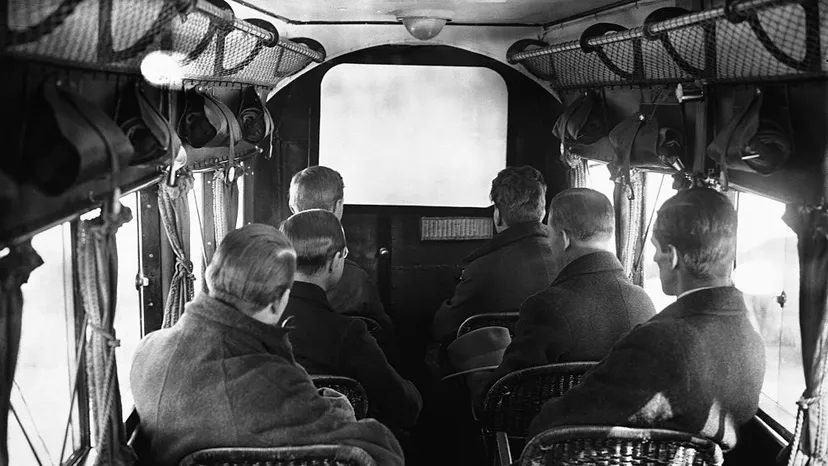
这个概念并不新鲜。 第一部机上电影于 1929 年 10 月 8 日播放。它是一部新闻片和两部动画片。 横贯大陆航空运输的航班将电影带上了云端。
直到 20 世纪 60 年代初才开通定期服务。 那时,看到屏幕就祝你好运。 它通常被浓浓的香烟烟雾和三百名乘客的集体呼气所掩盖。
今天,硝烟已经散去。 屏幕是高清的。 控制权在您手中。 但你可以看到的政治内容仍然同样复杂。 你可以选择导演剪辑版。 您可以单击跳过警告。 但你仍然在一张不言而喻的文化规则网中飞行,这些规则随着你跨越的每一个边界而改变。
当算法比航空公司审查员更了解你想看什么时会发生什么?