Stop trying to overhaul your entire diet in a single weekend. It doesn’t work. It’s exhausting, expensive, and usually ends with you ordering takeout at 11 PM.
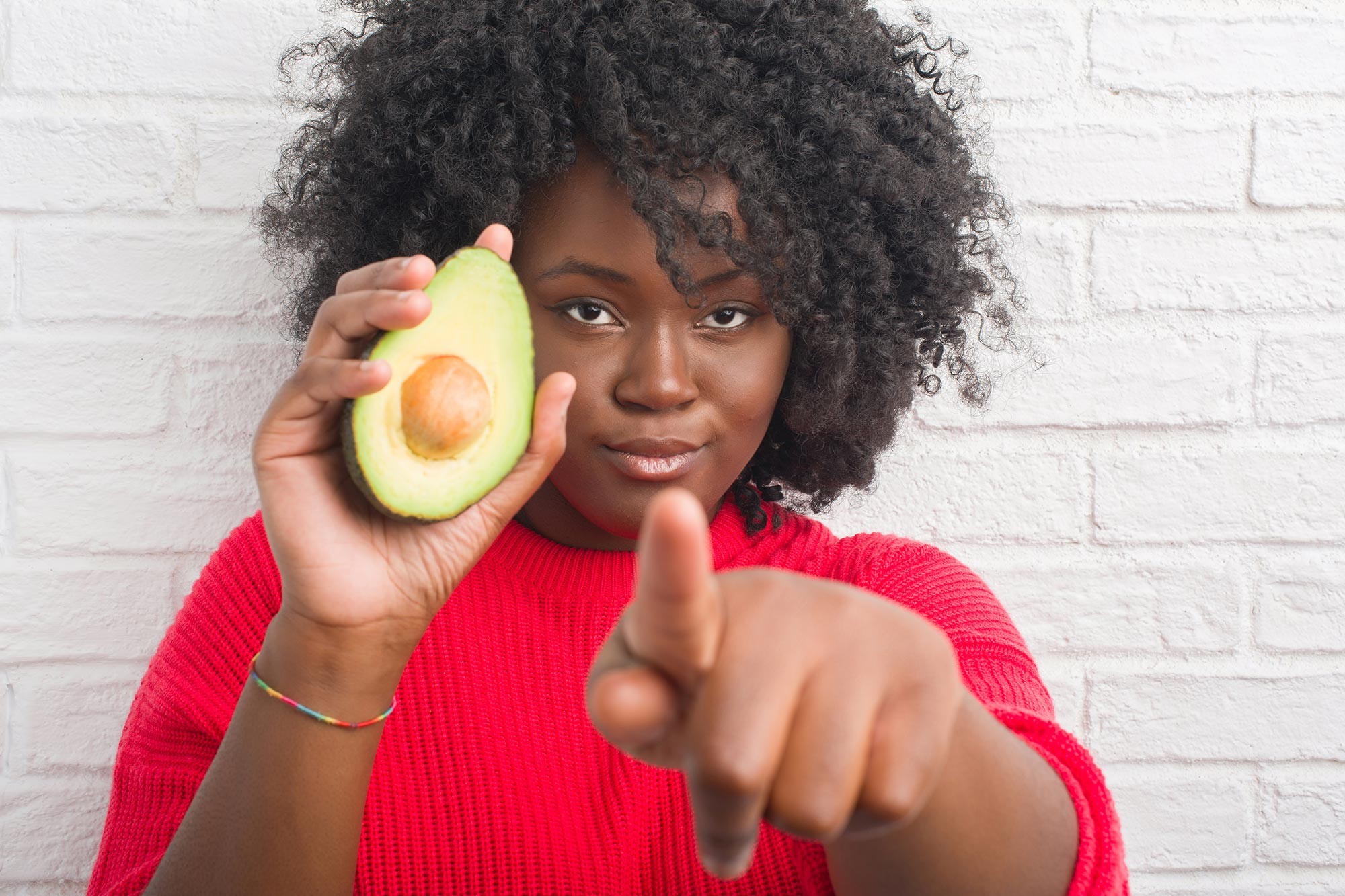
Scientists at Penn State have found a much simpler entry point for improving heart health. Specifically, eating one avocado every day.
In a six-month trial involving adults with obesity, adding just that one fruit to the daily mix lowered levels of LDL particles in the blood. We are talking about the tiny vessels that carry cholesterol. Fewer of these particles means less risk of heart disease. The study, published in the Journal of Clinical Lipidology, estimates a 4% drop in cardiovascular risk.
It’s not a magic bullet. But it’s a start.
Why LDL particle count matters more than total cholesterol
Most people know the standard “bad cholesterol” number from their annual blood work. That’s LDL-c (low-density lipoprotein cholesterol). But here is the thing that trips up a lot of patients.
Your total LDL cholesterol level isn’t the whole story. It’s the particle count that does the real damage.
Cholesterol can’t swim through your bloodstream on its own. It needs a vehicle. These vehicles are the LDL particles. If you have high LDL cholesterol but those fats are packed into a few large particles, you are relatively safe. If that same amount of cholesterol is split into many small, dense particles, you are in trouble.
Think of it this way.
Imagine two people with identical high LDL cholesterol levels. Person A carries their load in fewer, larger buses. Person B uses dozens of small motorbikes. Person B is far more dangerous to the arterial walls because the sheer volume of particles increases the chance of infiltration.
These smaller particles slip easily into artery walls. They contribute to plaque. Plaque makes vessels stiff. When you run, sweat, or stress out, those stiff vessels can’t expand. Blood pressure spikes. Heart attacks happen.
For people with abdominal obesity—waists over 40 inches for men, 35 for women—this particle count risk is especially high. This is where the avocado comes in.
The Habitual Diet and Avocado Trial results
Researchers didn’t just guess. They ran the numbers.
The data came from 786 participants in the Habitual Diet and Avocabo Trial. All were 25 or older with significant belly fat. The setup was simple. One group kept doing whatever they were already doing. The other group got one free avocado every day. They ate the rest of their regular diet. They exercised normally. No restrictions.
This matters because most diet studies are controlled labs where scientists feed you every meal. That’s not real life. This was messy, real-world data.
Here is what happened over six months.
The group eating the daily avocado saw their LDL particle concentrations drop by 49 nanomoles per literal.
That specific drop correlates to an estimated 4% reduction in heart disease risk.
Is one avocado enough to improve heart health?
Four percent sounds small. Maybe even underwhelming compared to the 14-29% risk reduction seen when people completely transform their diets.
Janhavi Damani, the lead author from Penn State, gets it. She called the result “modest.” But she also pointed out that asking people to change everything is a bad strategy. Asking them to add one thing is feasible.
“For people with obesity, including avocados might be a good starting place,” Damani said.
And here is the surprising part. The benefit didn’t care about your demographics.
The improvement in LDL particles was consistent across the board. It didn’t matter if you were male or female. It didn’t matter your race, ethnicity, age, or BMI. If you had the obesity criteria and ate the avocado, your particles went down.
What this means for your daily diet
Senior author Kristina Petersen noted that Penn State had shown this effect years ago. But back then, the diets were strictly controlled. This time, the diets were chaotic. People ate whatever they wanted for the rest of the day. Yet, the avocado still pulled its weight.
It didn’t change body weight. It didn’t shrink waistlines significantly. It didn’t make participants run faster.
But it did clean up the blood markers linked to clogged arteries.
If you are looking for a low-effort, high-reward habit to tuck into an existing routine, the data supports the fruit. Grab an avocado. Slice it up. Eat it.
It’s not a cure-all. It’s just a 4% shift in the right direction. And sometimes, that’s enough to get you moving.
Note: This research was supported by the Avocado Nutrition Center. As always, talk to a doctor before making major dietary changes, especially if you have existing heart conditions.