It’s July 23, 20 mare. The sky is quiet. Up above, the Moon is fat, bright, and impatient.
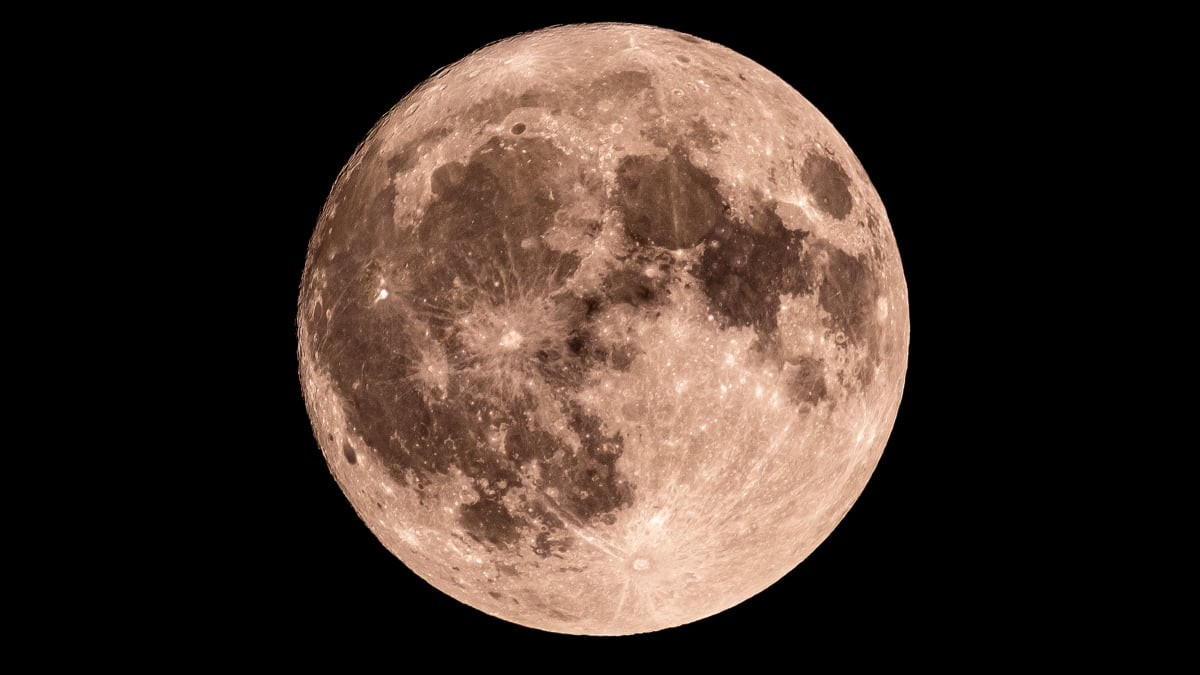
It is in the Waxing Gibbous phase. More than half of the lunar disk is lit. We are less than a week from the Full Moon on July 29. But don’t look away yet. This specific angle offers something the full moon cannot: shadow.
How to see surface details tonight
You don’t need a telescope to see anything. Your eyes are fine.
As of this Thursday, July 23, roughly 58% of the Moon’s surface is visible, according to NASA’s Daily Moon Guide. That 58% is the sweet spot. The sun’s angle is low across the terminator line. Shadows stretch long. That’s how you see the rough texture of the lunar surface.
If you look with naked eyes, you can spot the large dark basalt plains. Specifically, the Mares Crisium (Sea of Crises), Mare Fecunditatis (Sea of Fecundity), and Mare Tranquillitatis (Sea of Tranquility). They look like smooth, dark smudges against the lighter highlands.
Want more detail? Pick up a pair of binoculars. That small upgrade brings Mare Nectaris (Sea of Nectar) into clearer view. You can start to distinguish Alphonsus Crater and the Alps Mountain range. It’s not a high-tech observatory view, but it’s enough to make you stop what you’re doing and stare.
What you can see through a telescope
Bring out the optics if you have them. A telescope widens the field significantly. Now you aren’t just looking at patches. You’re looking at specific sites.
With a telescope, the Descartes Highlands come into focus. The Caucasus Mountains are sharper. You can even see the landing spot of Apollo 17. That’s it. The tiny place where humans walked on the last lunar mission. Seeing those craters and mountains isn’t just astronomy. It’s geography on a dead world.
The Waxing Gibbous is the best time for this kind of observation. Once the Full Moon hits, the light is too harsh. Everything is bleached out. The contrast vanishes. Today, you get the drama of light and dark.
When is the next Full Moon
Mark the calendar. July 29.
The Full Moon arrives in less than seven days. It will be fully illuminated. It will be bright. It will likely obscure these details. But that’s the nature of the cycle. The moon moves. The light shifts.
Understanding the lunar cycle
Why does this happen? It’s orbital mechanics, simplified.
The Moon takes about 29.5 days to circle Earth. That’s the length of a synodic month. During this time, the Moon passes through eight distinct phases. The side of the Moon facing Earth doesn’t change. The Moon is tidally locked. Always facing us. But the sun’s angle changes as the Moon moves in its orbit.
Sometimes the sun hits the near side directly. That’s the Full Moon. Sometimes it hits it from the side. That’s the Quarter. Sometimes it hits the far side. That’s the New Moon.
Here is the breakdown of the eight phases. It’s the script the moon follows, every month, without fail.
- New Moon: The Moon sits between Earth and the Sun. The side we see is dark. It’s invisible. You can’t see it at all.
- Waxing Crescent: A thin sliver appears on the right side of the disk (in the Northern Hemisphere). It’s subtle. Hard to spot.
- First Quarter: Half the Moon is lit on the right. It looks like a perfect half-circle. The name is misleading. It’s actually the midpoint of the waxing phase, not a quarter of the journey through space.
- Waxing Gibbous: This is us now. More than half is lit. It’s swollen. Full but not quite.
- Full Moon: The entire face is illuminated. It’s fully visible. The brightest point of the cycle.
- Waning Gibbous: The light begins to die. The shadow creeps in from the right side (Northern Hemisphere). The Moon starts losing volume visually.
- Third Quarter (or Last Quarter): Another half-Moon. But this time, the left side is lit. It looks like a ‘D’ if you squint.
- Waning Crescent: Only a thin sliver remains on the left