


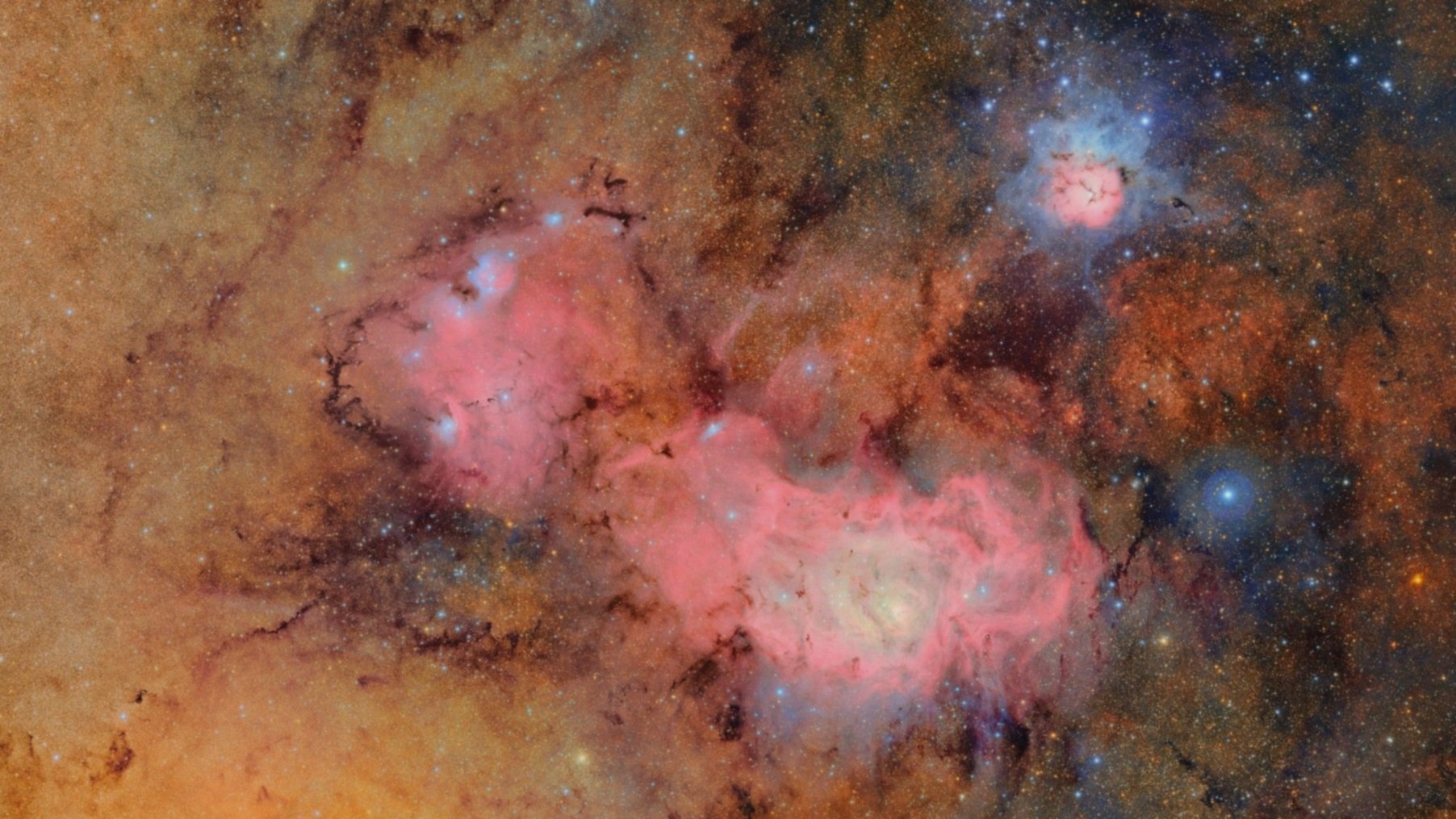
On a Chilean mountain, the big camera woke up. Tuesday. June 30. The Vera C. Rubin Observatory started filming its masterpiece. Not a single snapshot, but a decade-long movie of the sky. Every night. For ten years. It captures 3,200 megapixels. Then it does it again. 30 seconds. Mosaic by mosaic. The southern sky fills up in real-time stop motion.
“We’re taking a digital color color motion picture of the universe,” Tony Tyson told us. He’s the chief scientist. Professor at UC Davis. He helped build this beast.
The machine scans. It sees seven million changes a night. Eight million maybe. Supernovas flash. Comets streak. Asteroids tumble in the dark. Galaxies collide somewhere out there, unseen until now. The alerts go out in minutes. Public. Free for anyone who wants them. A firehose of cosmic data. Tyson hopes it will show us the 95%. The dark part. The stuff we can’t see but know is holding it all together.
The unknown unknowns
There are bugs. There are satellites. But Tyson isn’t waiting for perfection. They are rolling it out. Sky area increases. Quality climbs. Month by month. We talked to him about what happens when the shutter closes.
He treats the sky like a film strip. Thousands of 30-second shots each night. The computer crunches the numbers. Compares them to the archive. If something moves? Explodes? Disappears? The system flags it. Sends an alert to the world. Within two minutes. He wanted this open from the start. Why hoard the stars? Eight data brokers get the feed. Specialized teams pick the fruit. The public watches from the sidelines, or signs up to join.
What catches his eye? The mistakes. The things that don’t fit. He wants the “unknown” classification. The data brokers will try to name everything. Supper nova. Variable star. Red giant. Tyson prefers the junk drawer. The unclassifiable bits. The errors in the catalog that turn out to be new physics. He doesn’t just hope for revolution. He expects it. Guaranteed, he says. Maybe he’s dreaming, or maybe the universe is finally ready to break.
What keeps a cosmologist awake
He studies the dark stuff. Dark energy. Dark matter. The LSST has enough data to rule out whole models of how the universe expands. It will map the history of stars. Show how our galaxy was born. And it will look for rocks. Dangerous asteroids. It finds about a thousand new ones every single night.
But here’s the glitch. Satellites. Not the quiet old ones. The new bright ones. The ones corporate boards think are good business. Tyson worries about this more than he’d like to admit. Low Earth orbit is getting crowded. Reflect Orbital wants to launch giant mirrors. AI compute centers floating above our heads, blazing bright. They ruin the night. For everyone. Everywhere.
Tyson talks to the companies. He meets with SpaceX. They try. They dim the lights where they can. It helps a little. But the investors have a say. And they keep pushing. Tyson argues with Congress. The UN. The FCC. He thinks Reflect Orbital is a bad business idea. A failed model. They will put junk up there anyway. The sky will burn brighter. He is an optimist by trade. Or perhaps just by nature.
A gratifying mess
Twenty years he’s fought for this. First as the director. Now the scientist. It’s a huge, tangled machine. It breaks. It always breaks. There’s a laundry list of worries. Every single day. Something is wrong with this component, that sensor. He worries. But then it works. And it works quite well. That feeling, after all this waiting? It’s nice. The machine turns on. The shutter clicks. The movie starts. We’ll see what happens in a hundred years. Whether we get the revolution Tyson predicts. Or just more data.
The camera keeps rolling.


