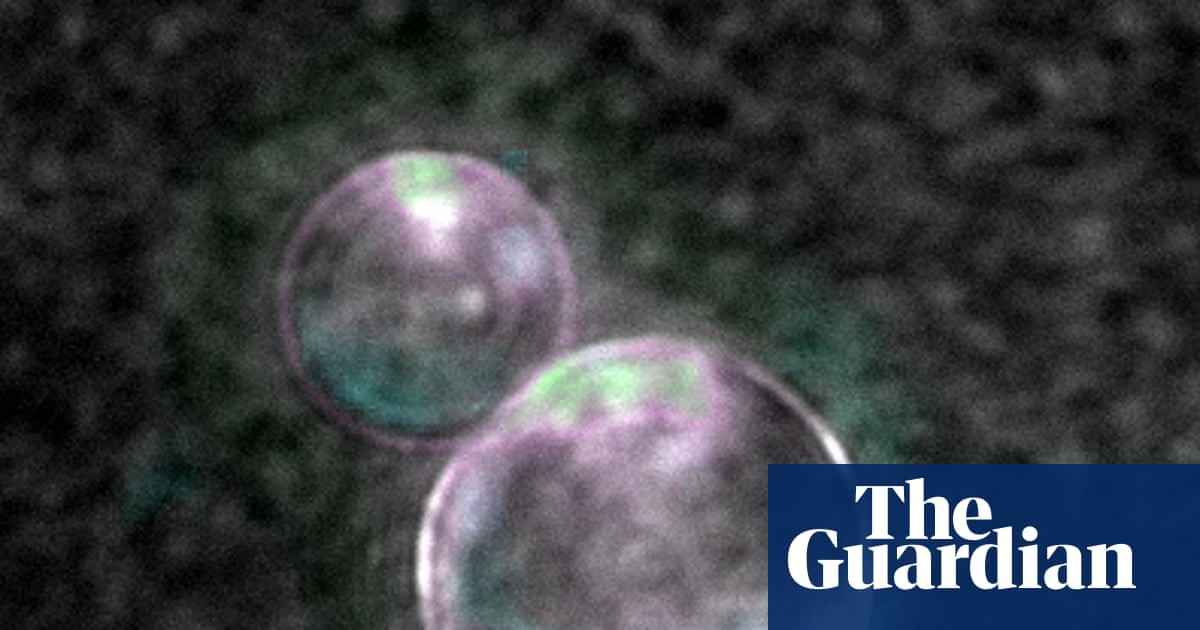
Small, quivering blobs. They feed, they grow, they multiply. Not alive yet. But close enough to shake things up.
Scientists claim a major milestone. They’ve built synthetic cells from scratch using lab-made DNA. These things demonstrate a complete cell cycle—growth, replication, splitting. All in a petri dish.
Dr Kate Adamala led the charge at the University of Minnesota. She’s realistic about it. “It is not as robust… or as good,” she admitted. But it works. Proof of principle. Molecules can mimic living behavior.
If we want to engineer biology, she says, we need to know every single part of the blueprint. What we’re changing. How it fits.
Decades of attempts led to this. Remember 2010? Craig Venter did his thing with goat bacteria. Cool. But modifying natural cells isn’t building from zero.
Adamala’s team did that. They called them SpudCells. Two reasons. Sputnik? Sure. But also because she’s Polish. Potatoes.
They started with liposomes. Tiny water-filled spheres. Added synthetic DNA for basic functions. Now they’re in the lab.
These cells need help though. They swim in a liquid full of chemicals like ATP. To grow they fuse with feeder liposomes. This provides enzymes. Ribosomes. The stuff needed to make proteins. Their own genome tells them how to copy themselves. And divide.
Researchers even simulated natural selection. Cells with a genetic growth edge outcompeted the originals. Survival of the fittest. Even for blobs.
“Biggest breakthrough in recent times.”
Prof Tom Ellis, Imperial College London
Ellis thinks it helps define the minimum requirements for life. Also, a perfect testbed for computer models. No guessing.
Watching them divide was intense, Adamala noted. Beautiful. To anyone else under a microscope? Just a blob. Not alive. A chassis waiting for life to be installed.
Capabilities are limited. They can’t build their own machinery. No metabolism control. No waste clearance. When they split they often mess up the DNA handoff. After a few generations, they’re done. Conked out.
Adamala wants to fix that. She’s launching Biotic with Stanford’s Drew Endy. Global talent pooled. Goal: an “operating system for life.”
The study is out as a preprint. Waiting for peer review. But the data is open now.
Is it worth the hassle? Prof John Dupré questions the utility. Bacterial cells can already make drugs and food. More effectively.
“Relational aspect… missing.”
Life is symbiotic. Synthetic cells lack that. Dupré argues if they just produce chemicals they miss the most interesting part of living beings. The connections. The immaterial substance skeptics argued for? Science doesn’t care. Chemistry is enough.
So we have beautiful blobs. Engineered. Understandable. Broken after three generations.
It raises a question. Is life just complex chemistry with the right parts? Or is there something in the interaction?
We have the parts. We can watch them shake and split. But they die quickly.
What happens when they don’t?