90 percent.
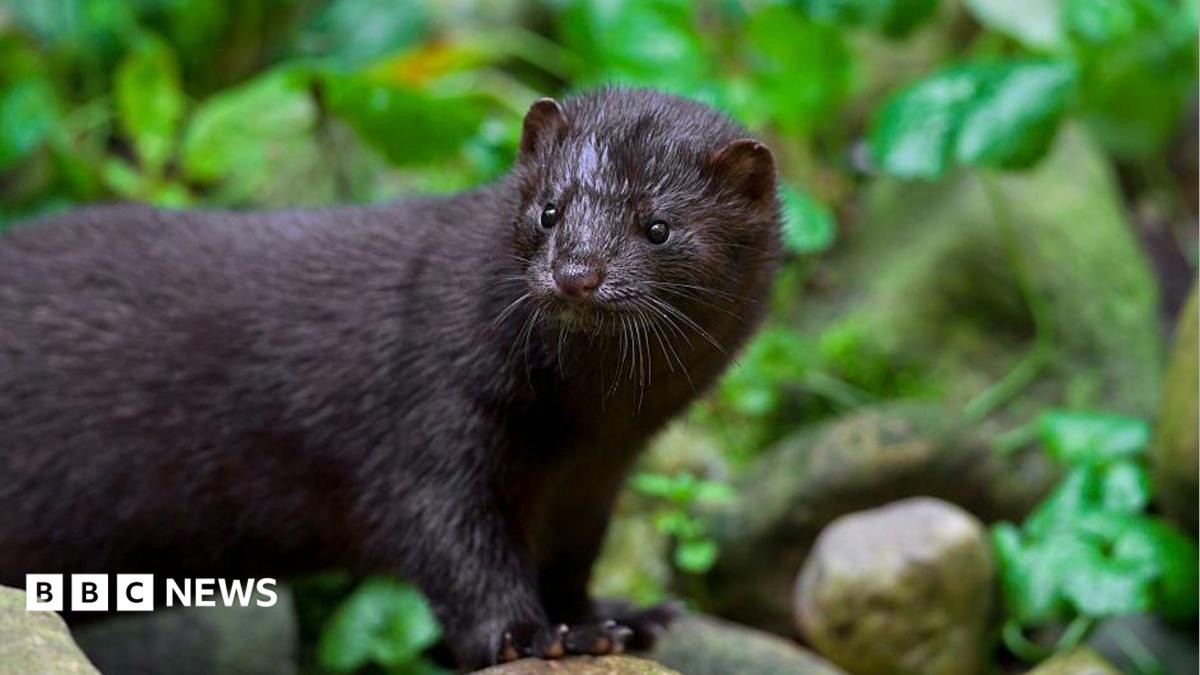
That’s the target. Invasive mink populations in Kent are being hunted down, and they might vanish entirely within two years. It’s not just a goal; it’s a rescue mission for native wildlife.
The Waterlife Recovery Trust gets £20,000 from the BASC Wildlife Fund. This cash fuels expanded trapping and monitoring. Kent used to be ground zero for these creatures. They had one of the highest densities of American mink in all of Britain. Now the tide turns.
Mink ruin ecosystems.
They’re brutal. Water voles are the main casualty—those poor guys are the UK’s fastest-declining mammal. It’s basically an execution if you see them. But mink don’t pick their victims carefully. They hit ground-nesting birds. Snipe, lapwing, waterfowl. Even kingfishers and sand Martins. Everything swims, flies low, or nests near water. Everything.
Why leave predators alone?
Look east. Anglia already did this. They crushed local numbers by 70% year-on-one year. The result? Total removal. Norfolk, Suffolk, and East Cambridgeshire are free. Kent just wants that same blank slate.
Michelle Nudds, the BASC’s South East regional director, sees the momentum. Landowners aren’t passive anymore. Volunteers step up. There is genuine hunger to do the work on the dirt itself. She’s waiting on data but the energy feels real.
“The appetite from landowners… shows just how much support there is.”
Ali Horn from the Waterlife Recovery Trust agrees. The money bought gear they lacked. Sixty-six smart traps, rafts, the essentials. These fill the gaps where sightings happened but nets did not.
New tools go into the dark wet corners of the county. Traps sit silent. Will the mink bite? Maybe.