It’s a simulation game with real stakes
Success for NASA’s upcoming moon base isn’t about who gets along best at the cocktail party. It’s about mission design. A new study says psychological training is nice, but structure matters more.
Lead investigator Anamaria Berea from George Mason University ran some numbers. Her goal was finding red flags. She used agent-based models to spot the conditions that break crews. This isn’t standard AI. Standard AI extrapolates data. These models simulate emergent behavior. Stuff with no single cause. Like a flock of birds turning in mid-air.
The team tested variables. How many astronauts? How often does a truck arrive with food and fresh bodies?
One scenario assumed a three-month stay. Supplies hit at month two. The result was grim. Productivity hit 20%.
Twenty percent.
That’s acceptable for a factory. For deep space, it’s a disaster. The low rate means crews were breaking under stress and environmental chaos. The model didn’t even factor in emergencies yet.
Look at the station above
NASA tracks the ISS differently. They care about “utilization.” Hours spent on science per week.
If you have three people, you want 35 hours. Four or more? Aim for 68.5. The Russian side handles their own timekeeping, usually separate.
NASA usually hits the target. Sometimes they crush it. From late 2019 to early 2020, astronauts burned an average of 120 hours on research weekly. A year or so later, they settled near 90. Still impressive. The number of experiments keeps climbing too.
This happened despite the station trying to kill them occasionally. Ammonia leaks. Space debris flying by close enough to shake the windows. Post-9/11 protocols that had crews sheltering in place.
“Starting March 2022… we have seen utilization near 93 hours per week”
But you can’t work 24/7. Someone has to clean. Everyone needs to sleep. Eat. Maybe stare at a screen for an hour. Bigger crews help. More hands mean less time spent on chores, more time on science.
Redundancy is the killer, though. Right now, we rely on SpaceX Crew Dragon and Roscosmos Soyuz. Only two doors to the station. If both break? The lights go out. The Office of Inspector General called this a major risk. Limited cargo, limited crew transport. It puts everything on the line.
Cold boxes and crowded cars
You remember being trapped with roommates during the pandemic. Or that car ride that went three hours too long.
That’s an Isolated and Confined Environment, or ICE. Crowded. No exit. No neighbors to talk to. Antarctica fits the bill. Submarines fit. The moon is the ultimate ICE. It adds robots and rovers to the mix, too.
Berea’s team modeled these deep-space scenarios. We don’t have much history to draw from. Just the Apollo crews and Artemis 2. A few dozen people.
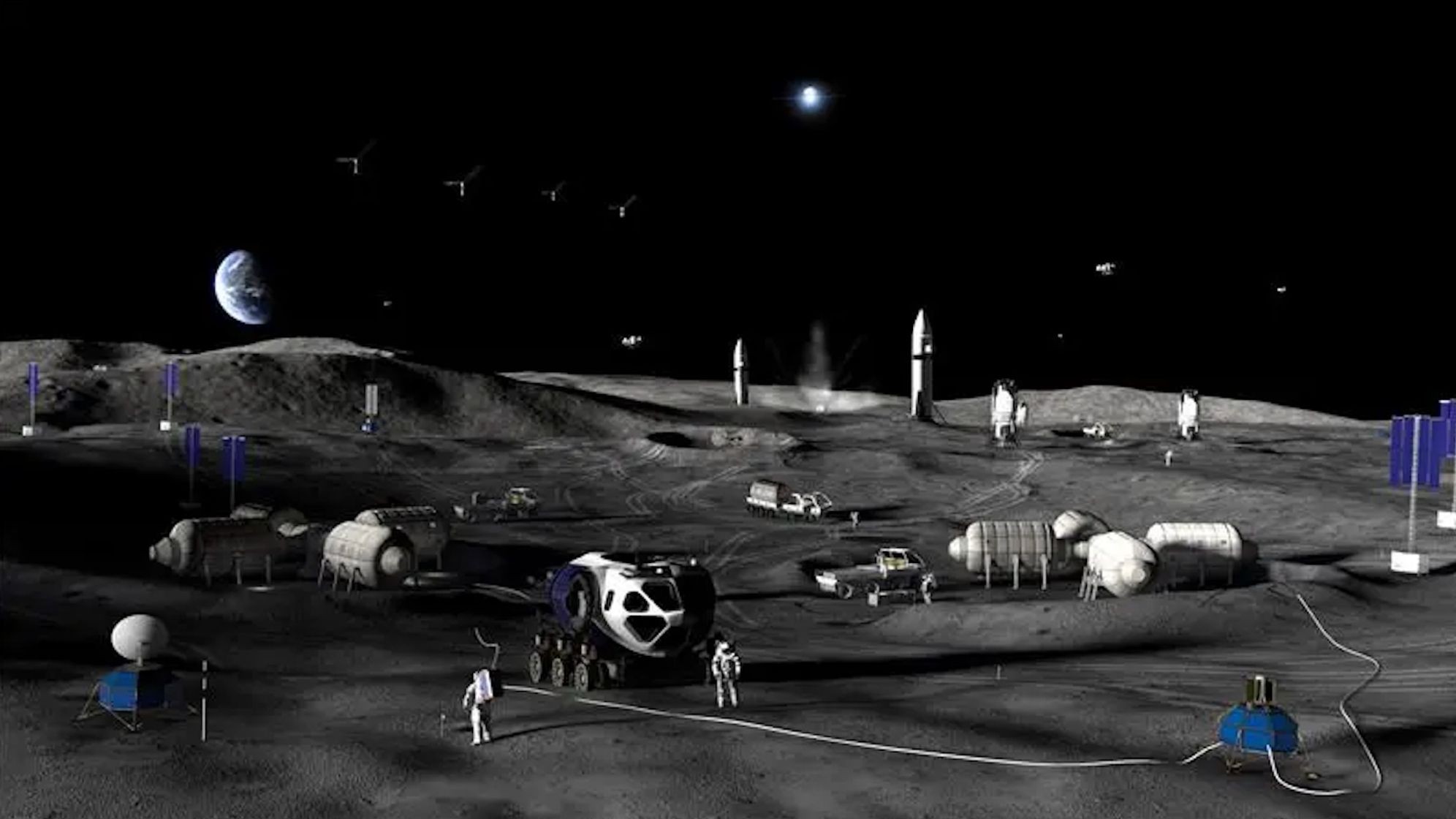
So they built the computer version of the moon.
The winner? Six astronauts. Resupply every two weeks. No extreme radiation spikes or meteorite hits. This setup had the highest probability of keeping things together.
The loser? Four astronauts. Resupply only every month. Bad weather. High environmental hostility. This is how missions fail.
Does training fix this?
Berea doesn’t think so. Not for the long haul. You can train someone to be brave. You can teach them protocols. But in the deep void, there is a human limit.
“The team is more than the sum of his parts” is a cliché until you’re running out of oxygen. Synergies emerge. Fractures emerge. Small teams suffocate socially. Large ones drown in logistics. It’s a tightrope.
Psychology is just one variable
NASA disagrees slightly. Reid Wiseman, commander of Artemis 2, said the crew bonded tight because of psychosocial training. They knew each other’s ticks. They anticipated the friction.
The Canadian Space Agency agrees. Recruit healthy minds. Train them to react. Give them ground support. It works for short trips.
But Berea’s model looks at the big picture. They included NASA TLX scores for stress. They looked at Antarctic bases. Oil rigs.
The conclusion? Stop obsessing over personality tests.
Look at the mission shape. Change the duration. Hit the resupply button more often. Build contingency plans for when things break. We can’t AI our way through human complexity. But we can design systems that don’t rely on human saints to save us.
We send them to live there. We need to understand the cage before we lock it.