New wave wasn’t just a genre. It was a mood. A reaction. A catchall label slapped on the music exploding in the late 1970s and early 1980s. The name? Borrowed straight from the French New Wave cinema of the late 1950s. It felt fresh. Artistic. A break from the old guard.
But why did it happen? Because people were bored. Bored of punk’s raw, political aggression. Bored of mainstream rock’s corporate stagnation. New wave took punk’s core mantra—you don’t need to be technically proficient to start a band—but added a layer of polish. It pulled from the lighter, breezier vibes of 1960s pop. It borrowed the fashion sensibilities of the 1950s. The result? Bands that were quirky, commercially viable, and infinitely more danceable than their abrasive counterparts.
The sound was messy in the best way. It shared a sense of humor. A detached cool. If you were listening in the US, you were hearing a wide spectrum of styles united by that insouciant attitude.
The American New Wave Scene
It wasn’t all synthesizers and suits. The American landscape was diverse. Take the B-52s. They emerged from Athens, Georgia, of all places. Their sound was a hybrid mess of girl group harmonies and vocal experimentation. Think Yoko Ono-style wails mixed with dance beats. It worked.
Then there was Blondie. Deborah Harry became the sex symbol everyone wanted to be or with. They bridged the gap between punk energy and pop accessibility without sacrificing either.
Jonathan Richman and the Modern Lovers offered something different. Their tunefulness felt disingenuous on purpose. A wink. A nod. It wasn’t trying too hard.
And you can’t talk about the era without mentioning the Go-Go’s. Their debut album, Beauty and the Beat, hit number one in 1982. An all-female band breaking through in a male-dominated industry? That wasn’t just music. That was a statement.
The Cars found immediate Top 40 success with tracks like “Just What I Needed.” Sleek. Synth-driven. Radio-ready.
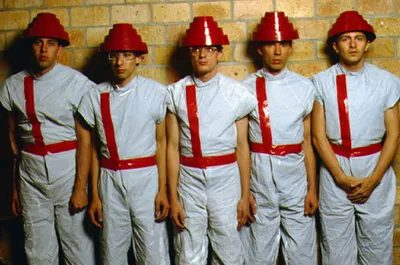
But it wasn’t all radio hits. There was an artier, avant-garde wing. Devo. Talking Heads. They took the “anyone can play” concept and stretched it until it snapped into something intellectual. Something weird.
This is the core of what new wave was. It wasn’t just one thing. It was a reaction to what came before, filtered through a lens of pop nostalgia and artistic experimentation. Did it last forever? No. But for a few years, it was everywhere. And it sounded like the future, even if it was looking backward for inspiration.
The Mainstream Bleed
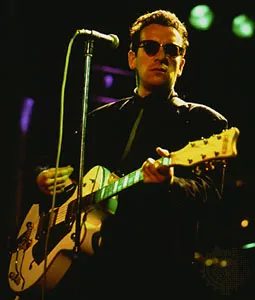
The British new wave scene wasn’t just a monolith. It was a fragmented ecosystem of clever songwriters and genre-hoppers. You had pub rock veterans like Nick Lowe, Graham Parker, and Elvis Costello leading the charge. Then there were the sophisticated, infectious hooks of Squeeze and XTC. The ska revivalists, specifically Madness and the Specials, kept the energy high. Joe Jackson refused to stay in one lane. Synthesizer acts like the Human League, Heaven 17, and A Flock of Seagulls brought the electronic pulse. And you can’t ignore the New Romantics. Duran Duran, Adam and the Ants, Culture Club. They wore the cosmetics. They sold the aesthetic.
When the Walls Crumbled
As the mid-1980s approached, the line separating new wave from the corporate mainstream blurred. It didn’t just thin out. It vanished. Bands like the Pretenders, fronted by former rock journalist Chrissie Hynde, crossed over. The Police. U2. They became huge. Massively popular. The distinction between underground cool and mainstream success became meaningless.
The Afterlife of a Scene
Punk was pronounced dead. Again. We’ve heard this before. But the music and fashion sensibilities of new wave didn’t die with it. They lingered. They influenced pop music through the 1990s. Grunge took some of that punk energy. Alternative took the rest. But new wave? It stayed. It adapted. It survived.
What happens when a subculture becomes the culture? The answer isn’t always pretty. But it’s definitely interesting.