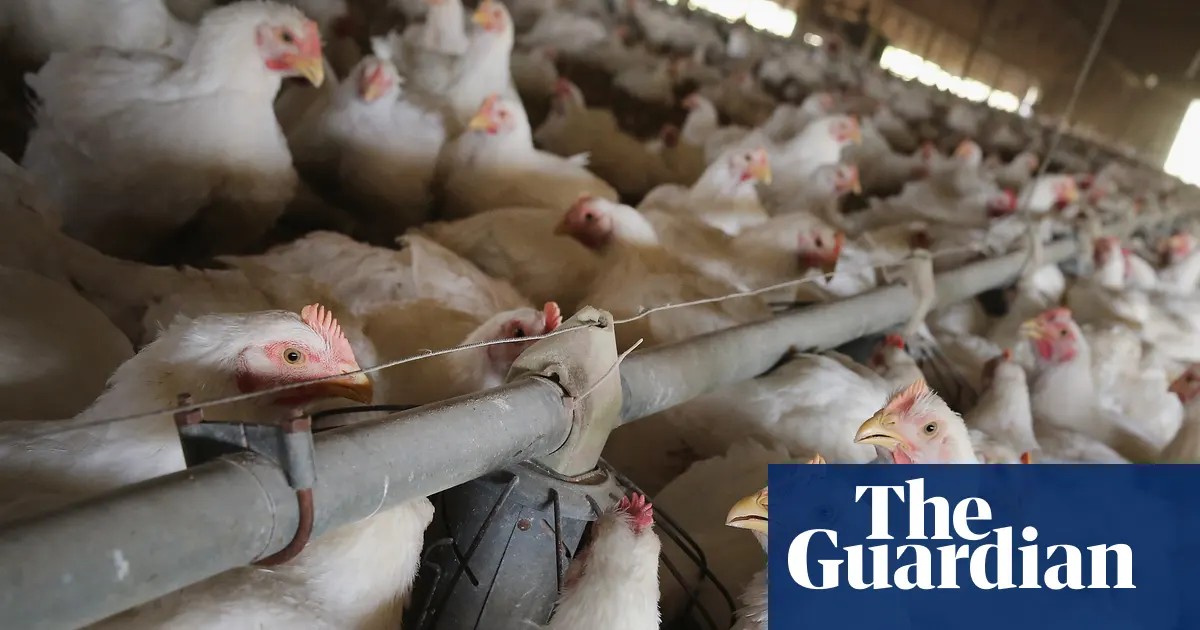
New documents obtained through Freedom of Information (FoI) requests have revealed that British officials were briefed on how to potentially allow chlorinated chicken into the UK. This discovery comes despite repeated public assurances from ministers that there are “no plans” to lower domestic food safety standards to accommodate US imports.
The Core of the Dispute: Hygiene vs. Chemical Treatment
The controversy centers on a fundamental difference in food safety philosophy between the UK/EU and the United States:
- The US Approach: American farmers are permitted to use chlorine washes and other chemical disinfectants to kill pathogens (such as Salmonella and Campylobacter ) that may have contaminated meat during rearing or slaughter.
- The UK/EU Approach: Since 1997, the EU has banned this practice. The rationale is that chemical washes may act as a “mask,” compensating for lower hygiene standards and poorer animal welfare earlier in the production chain.
The tension is not merely technical; it is a central pillar of the ongoing trade negotiations between the two nations.
Behind Closed Doors: The Revelations
The documents, released to the campaign group 38 Degrees, suggest a disconnect between the government’s public stance and its private preparations.
1. Strategic Briefings
High-level briefings were prepared for a meeting between a Director at the Department for Environment, Food and Rural Affairs (Defra) and the US Embassy in London around December 2024. These briefings reportedly outlined how UK legislation could be amended to permit chemical decontamination. While the documents note that any new substance would require a “rigorous UK risk analysis,” the mere preparation of these briefings suggests the option was being actively considered.
2. Scientific Review of US Methods
The Food Standards Agency (FSA) has also been reviewing US-based studies on the effectiveness of chemical treatments, including the use of bacteriophages and chlorine dioxide. The FSA confirmed it has been evaluating interventions against Campylobacter —a common cause of food poisoning—coinciding with the period of intense trade negotiations.
Pressure from Washington
The push for these imports has been driven by high-ranking US officials who view British sanitary standards as a barrier to trade.
“US agriculture is being treated ‘very unfairly’ by countries such as the UK,” stated US Agriculture Secretary Brooke Rollins, expressing a desire for the UK to accept “all meat” from the US.
Furthermore, White House adviser Peter Navarro has been more blunt, describing sanitary standards as a “phoney tool” used to suppress American agricultural products, suggesting that market demand should override regulatory barriers.
The Public vs. Political Divide
For consumer advocacy groups, these revelations are a sign of potential political maneuvering. Matthew McGregor, CEO of 38 Degrees, argues that while the government maintains a “no plans” policy, the preparation of legislative pathways suggests that food standards could be compromised to secure a trade deal with the Trump administration.
In response to these findings, a government spokesperson maintained the official line:
“We have consistently said imports of chlorinated chicken remain illegal and there are no plans to change that. We will never lower our high food standards in trade deals.”
Conclusion
While the UK government maintains that its food safety standards are non-negotiable, leaked documents suggest that officials have been actively preparing the legal and scientific groundwork required to permit US-style chemical chicken washes. This creates a significant tension between diplomatic trade objectives and public health promises.