It’s a lie. Or at least a half-truth.
The story we tell about moose in Colorado is tidy. It starts in the late 1977s. State officials pick up the big, awkward animals elsewhere. They drop them here. Populations bloom. Boom, new ecosystem resident.
Except the archives don’t buy it. The dirt doesn’t buy it. Neither do the Indigenous elders who’ve been watching these woods for generations.
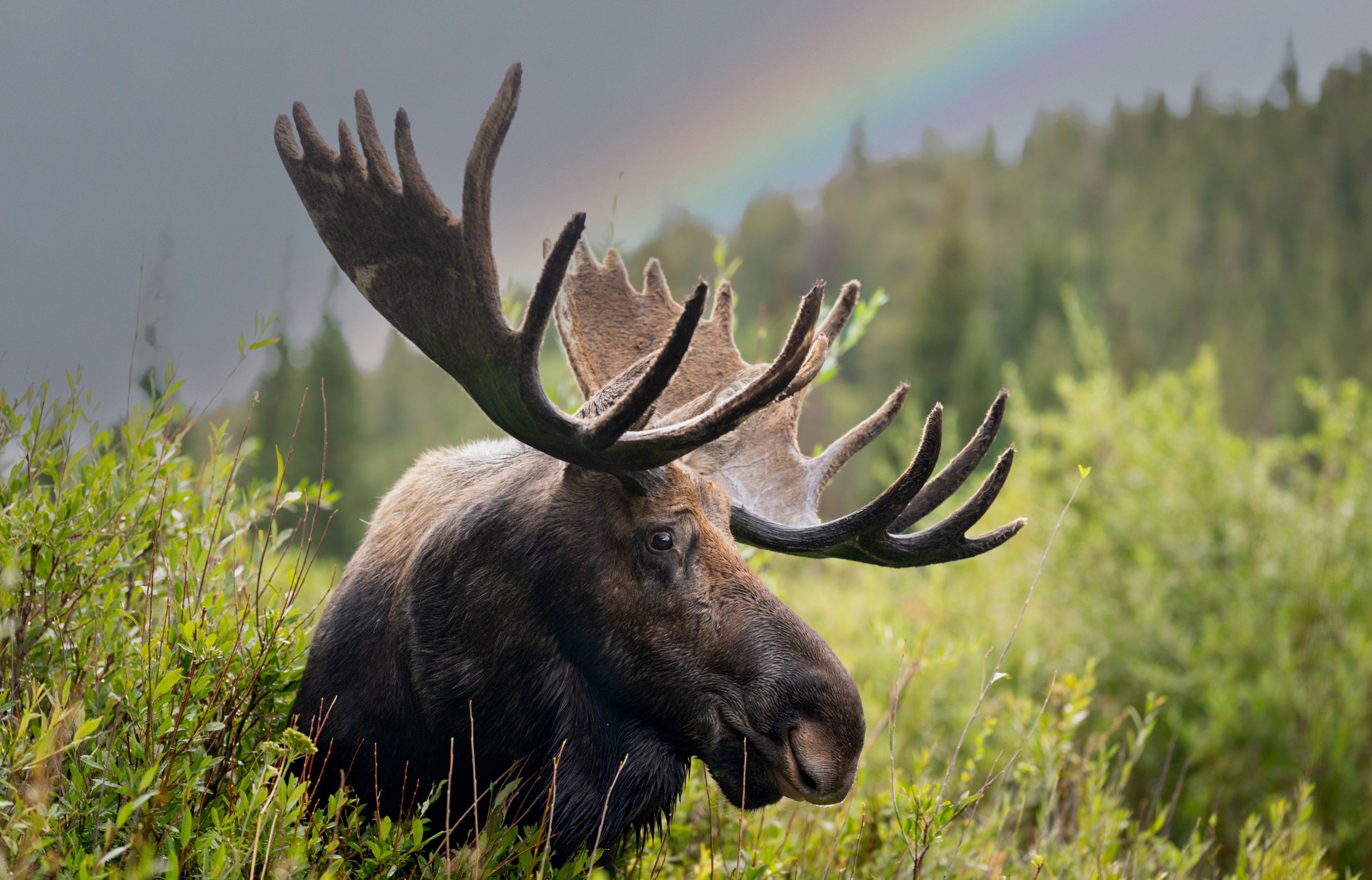
New research suggests moose were here. Way before the translocations. Way before the parks drew their lines. They may have been part of this landscape for thousands of years.
Digging Up the Truth
William Taylor doesn’t like it when history gets overwritten by convenience. He’s an archaeologist. He’s the curator of the CU Museum of Archaeology. He looks at old bones. He reads the newspapers from the 1800s that nobody else bothered to check.
The official narrative? Moose are “non-native.” Some call them invasive. In Rocky Mountain National Park they eat the vegetation. They change the scenery. The answer seems to be managing them out or blaming their sudden arrival for the mess.
Taylor looked at the Jurgens collection. Old digs from northwest Colorado. Analyzed decades ago by a guy named Joe Ben Wheat. Wheat found moose bones. Early Holocene.
That means the animals were here while other places were just figuring out fire.
So why are we talking about them like they got lost from Alaska and took a wrong turn?
It bothered Taylor. He saw media narratives spinning stories that Native peoples in the Rockies didn’t even know what a moose was. That rubbed him the wrong way. It raised his “spidey senses.” If management policy rests on shaky foundations, the outcome will be shaky too.
More Than Just Bones
Science isn’t just data points in a vacuum. It’s context.
The study didn’t stop at the trowel. They brought in Crystal C’Bearing. She’s a Northern Arapaho Tribal historic preservation. She knows the value.
“The moose is considered a valued commodity.”
She says it plainly. They used the hide. They used the antler. It was in their regalia. In their clothes. This wasn’t a ghost story to them. It was practical. It’s still practical.
Jonathan Dombrosky calls it “converging evidence.” You need multiple lines to get the truth. Archaeology gives the timeline. Newspapers give the location. Indigenous knowledge gives the relationship.
Individually they’re fragile. Together? Unbreakable.
A Messy Archive
Reconstructing the past is hard work. There’s no searchable database for “Moose Spotted: 1854.”
You have to hunt. You have to dig through dusty white papers. Municipal photo archives on the Front Range. Old manuscripts that never saw print. It’s chaotic. Taylor had to “turn over a lot of rocks.”
They mapped sightings against colonial settlements. They found references. Early days. Consistent enough.
One colleague found a Jicarilla Apache record from the 1880s in northern New Mexico. It mentioned moose in the southern Rockies. Then it said they had recently disappeared.
Vanished. Then reappeared when the state shipped them in.
Sounds suspicious, right? It was less of a reintroduction. More of a… recall.
Fixing the Future
Does this change how we handle them in the parks? Absolutely.
John Wendt points out a simple fact. Landscapes aren’t static. They’re managed. Or they’re broken.
When you remove predators. When you stop hunting. Herbivores boom. Moose eat more. They break more branches. But calling them “non-native” changes the game. It makes removal the default answer.
If they belong here… maybe the problem isn’t the moose. Maybe it’s the lack of wolves. The lack of habitat variation. The management framework itself might be the outlier.
“When modern park systems operate without these regulating systems… high impacts don’t necessarily mean that an animal is out of place.”
Joshua Miller says we’re obsessed with the “veil of time.” Our data spans a few decades. Nature spans millennia.
We’re looking at a snapshot. Thinking it’s the movie.
This doesn’t mean moose should roam free without consequence. Taylor is clear about that. Management needs to happen. But it needs accurate history. Tribal communities want in on co-management. Not just for culture. For better outcomes.
It’s not just about moose anymore.
Every species is potentially misunderstood. We judge them by the last 50 years of surveys. What else did we miss? What else is coming back that we think is new?
The veil lifts a little. Just enough to see.