It’s been sitting there for forty years. Waiting. Misunderstood.
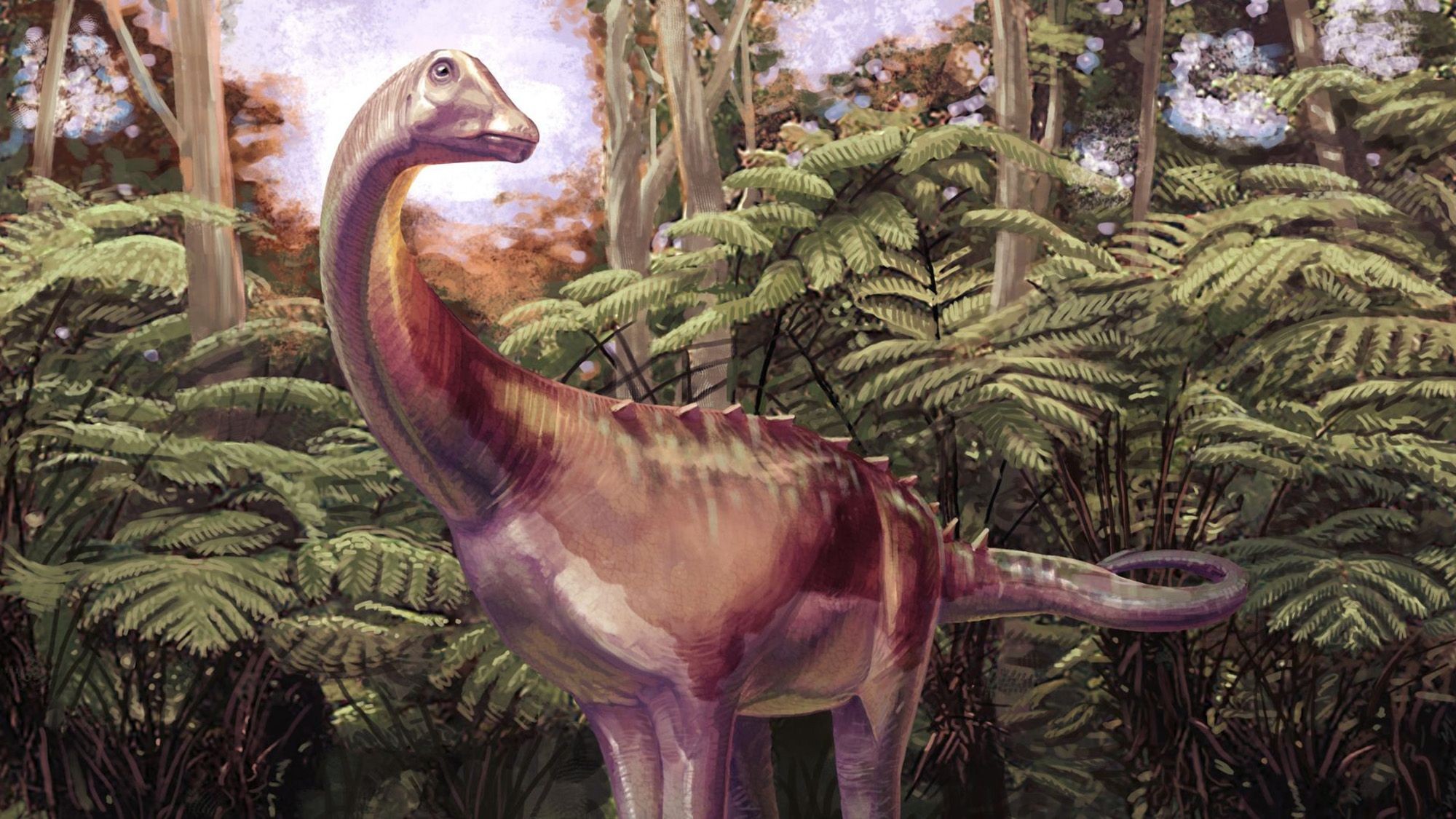
For decades, scientists assumed an 82-million-year-old spine found in Antarctica came from some ancient marine reptile. Just a bit of sea life. Wrong. A new study, published June 26 in Acta Palaeontologica Polonia, confirms what they should have guessed sooner: it’s a titanosaur. One of the heavy hitters. The long-necked giants that represent the biggest animals to ever walk on land.
“At first glance this appears to be unremarkable,” Paul Barrett says. He’s a paleontologist at London’s Natural History Museum. He knows better.
This bone fragment holds the title of Antarctica’s first confirmed dinosaur fossil. Doesn’t mean it’s the only one. We’ve found plenty since 1983 when Mike Thomson pulled this specific piece of history out of the earth on James Ross Island. Island sits off the Antarctic Peninsula, staring across the Drake Passage at South America. Cold water between them. Back then? They were joined.
So, a titanosaurs in Antarctica? Really?
The continent was still attached to South America… full of temperate forests.
Not the white desert we see now. No ice. Just trees. And dinosaurs living in perpetual winter twilight. Imagine waking up into dark skies for months. Eating ferns. Huddling in the cool.
Here’s the catch: the fossil isn’t impressive by itself. It’s tiny.
This individual titanosaur measured only 20 to 24 feet long. Compare that to the absolute beasts of its species, which stretched past 120 feet. Maybe a quarter the size? But remember. We have one vertebra. That’s it. We can’t ID the specific species. It might just be a baby. Juvenile bone. If you cut the growth charts short, everything looks smaller.
Barrett’s team didn’t guess. They used high-res CT scans. Peered inside the rock. Confirmed the structure.
It dates back to the Cretaceous. 145 to 66 million years. The final act before the asteroid hit Yucatan and switched off the lights for the non-avian crowd.
Why does this matter? Migration maps.
At the time, the southern continents locked together in a supercontinent named Gondwana. This titanosaur proves they had a path. South America. Across Antarctica. Toward what would become New Zealand.
It wasn’t just these long necks. Other things roamed the forests. Imperobator prowl around. Bipeds. Meat-eaters. Plus small herbivores and armored ankylosaurs wearing built-in shields.
An ecosystem. Messy. Vibrant. Lost under miles of ice.
Barrett thinks there’s more to find.
“There are likely many more dinosaurs,” he notes.
Ice is moving. Retreating. Warming waters strip the continent bare, revealing what we hid from view for millions of years.
We don’t need to go far. Just wait for the melt.