Chile. High ground. The Vera C. Rubin Observatory has waited long enough. After twelve months of fiddling with the dials, it’s finally rolling out the red carpet for the Legacy Survey of Space and T
ime. It’s the biggest deal in astronomy right now. A mammoth scan of the universe that promises to be the most detailed record we’ve ever put on disk.
Brian Stone from the NSF didn’t hold back. “Today, we begin filming the greatest cosmos movie ever made,” he said. A nice phrase for a deluge of pixels.
For ten years, Rubin is going to dump 10 terabytes of night sky data onto our laps, every single night. Hundreds of high-res images. Each one covers a patch of sky 40 times bigger than the full moon. We’re looking at nearly the entire southern hemisphere sky, captured in agonizing, beautiful detail.
“Millions of alerts… show that Rubin is up to the task.”
Why? Because things change. That’s the point. Rubin isn’t just a camera. It’s an alarm system for the heavens. Supernovae exploding. Asteroids drifting in. Comets swooping by. It spots the change before anyone else blinks.
Phil Marshall from Stanford is already impressed. The test run generated millions of alerts. Just two months in, they found over 11,00 new asteroids. Eleven thousand. We didn’t even know those were hiding out there. Now the inventory starts in earnest. It’ll be the most complete list of solar system junk we’ve got. Ever.
But look up further. Past the asteroids. The survey builds a map of the Milky Way so thick you could get lost in it. Then it looks deeper. Into the dark.
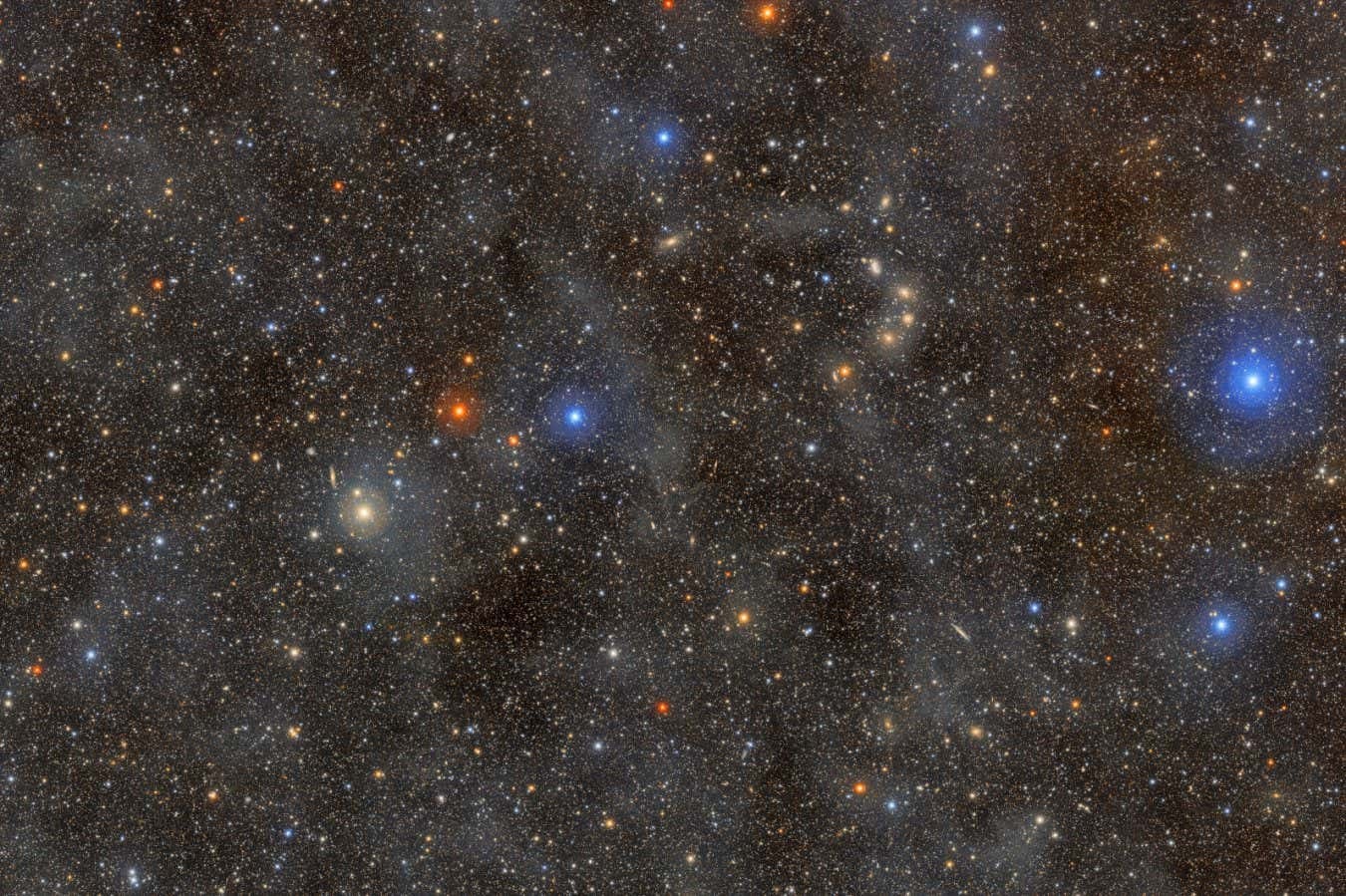
An early release image showed a sea of stars and gas clouds and distant galaxies. Beautiful, sure. But the power isn’t in the picture. It’s in taking the same picture, again and again, for a decade. The differences tell us what matters. How fast is the universe expanding? Where is the dark matter pulling the strings? We don’t know yet. Maybe now we will.
What about the “Little Red Dots” JWST found in the early universe? Chris Lintott is talking about those, trying to make sense of the mystery. Rubin might help there too, though it’s still early.
The data flood begins now. It never really stops. We’re going to watch the sky for ten years and hope we can make sense of it all before the hard drive fills up. Or maybe, just maybe, we find something we weren’t looking for at