Imagine a tool that moves back and forth with relentless, rhythmic precision. That is the heart of a shaper. It is one of the oldest metal-cutting machines still in use today, and for good reason. The workpiece sits stationary or moves in small steps. The tool does the heavy lifting.
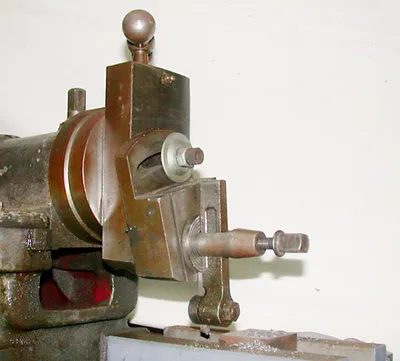
The cutting edge is simple. Just one point. It is mounted on the end of a ram. This ram reciprocates. It moves back and forth. The most common setup has a horizontal ram. You see them in machine shops everywhere. But there are exceptions. Vertical rams exist too. Those are called slotters. Or die shapers. They often come with rotary tables. This allows for cutting slots in complex geometries.
The Mechanics of the Cut
How does it actually remove material? The process is surprisingly basic. The tool clamps into the ram. The workpiece sits in a vise. The vise is bolted to a table. Some tables are manual. Some are power-driven.
Here is where it gets interesting. The tool cuts only on the forward stroke. This is critical. If it cut on both, the machine would need a far more complex drive system. The return stroke is idle. It lifts slightly or clears the surface. Then the table moves the workpiece. Just a tiny amount. A discrete increment.
This creates a surface. It isn’t perfectly smooth. It has a scalloped texture. But essentially, it is flat. The size of those increments determines the finish. Smaller steps mean a smoother look. Rougher cuts remove metal faster.
Versatility in Angles and Grooves
Why do engineers still choose shapers over CNC mills for certain tasks? Flexibility. The tool mounting is adjustable. You can tilt it. You can change the angle of the cut. This allows for generating surfaces at almost any angle to one another. Need a groove? The shaper can do it. Need a complex profile? It can follow the path.
Operators control the stroke length. They control the speed. This manual oversight is a feature, not a bug. In some environments, being able to feel the cut and adjust on the fly saves time. It prevents tool breakage. It catches errors before they become scrap.
Slotters and Vertical Ramps
Not all shapers look alike. The standard horizontal ram dominates the landscape. But vertical rams serve a different purpose. They are the slotters. Think of keyways in shafts. Or internal gear cutting. These machines often use rotary tables. The workpiece spins. The vertical tool plunges and cuts. It is a different kind of motion. But the principle remains the same. Reciprocating single-point cutting.
The industry standard for shapers includes variable stroke length and speed controls. Why? Because different materials react differently. Aluminum needs a different rhythm than steel. The operator adjusts the machine to match the material’s resistance. It is a dance between force and feed.
The Human Element in Automation
We live in an era of automated precision. CNC machines hum in the background. They can mill complex shapes in seconds. So why keep the shaper? It is about simplicity. There are fewer computer systems to fail. Fewer software glitches. The mechanics are visible. You can hear if the