You’re looking up. Wondering what you actually see? Stop guessing. Here’s the deal.
What the moon looks like now
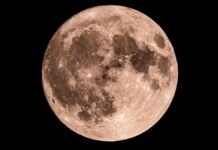
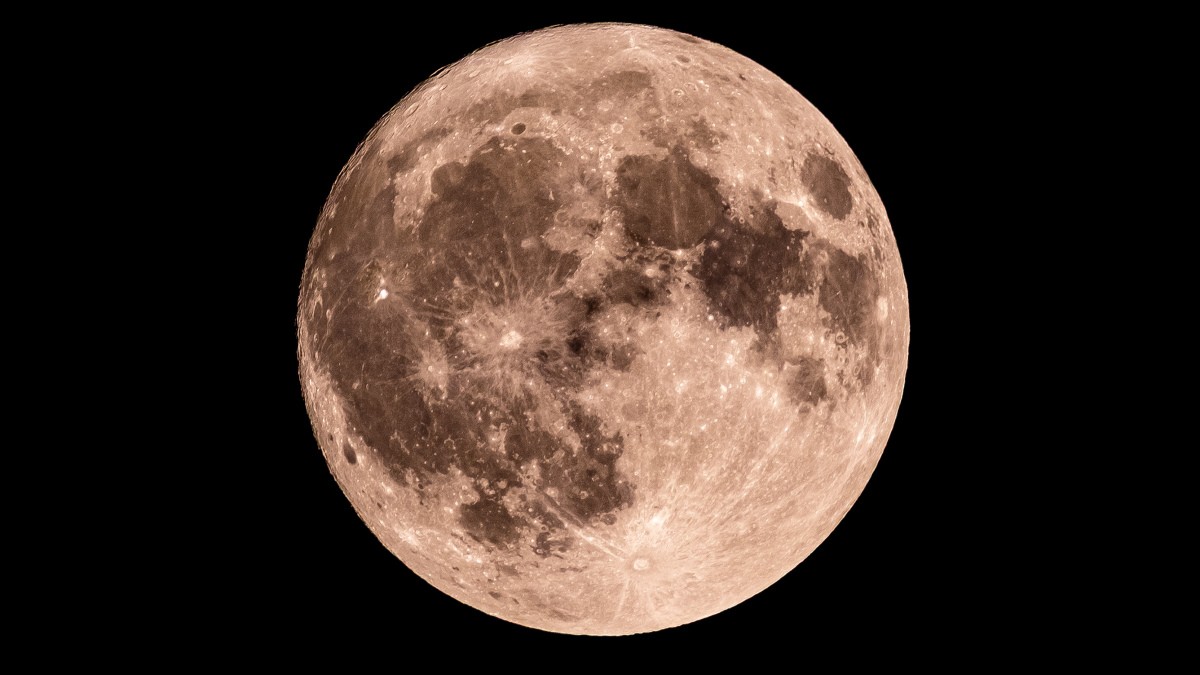
Sunday, June 7 brings us a Waning Gibbous.
According to NASA, 62% is lit. It’s that time between the peak glow and the dark fade. You can see it with just your eyes. Really. No gadgets required if you know where to look.
Oceanus Procellarum? Yeah, you can spot it. Kepler Crater. Tycho. All there.
Got binoculars? Good. Now you see Gassendi, Mare Humorum, and Alphonsus.
Got a telescope? Go nuts. You’re looking at the Apollo 12 landing site. Schiller Crater. Rima Ariadaeus. Why are you still on the couch?
The light changes as it travels. That’s the whole point.
When’s the next big show?
June 29.
That’s the Full Moon. Circle it. Don’t forget.
Why does it change shape?
NASA says it takes 29.5 days to orbit Earth. Eight phases. Same face always turns to us, sure. But the sunlight hits it differently as it moves.
Slim crescents. Half-lit ghosts. The bright white ball we know.
It’s a cycle. Here is how it rolls:
- New Moon
Between us and the sun. Side facing us is dark. Invisible. Gone. - Waxing Crescent
Sliver on the right. If you’re up north. - First Quarter
Half lit. Right side. Classic half-moon look. - Waxing Gibbous
More than half. Not quite there. Anticipation builds. - Full Moon
Total illumination. Fully visible. Bright. - Waning Gibbous
Where we are now. Light receding from the right. - Third Quarter
Half-moon again. But now the left side glows. - Waning Crescent
Thin sliver. Left side. Almost dark again.
Then it starts over.
Do we ever really get tired of watching a rock spin?