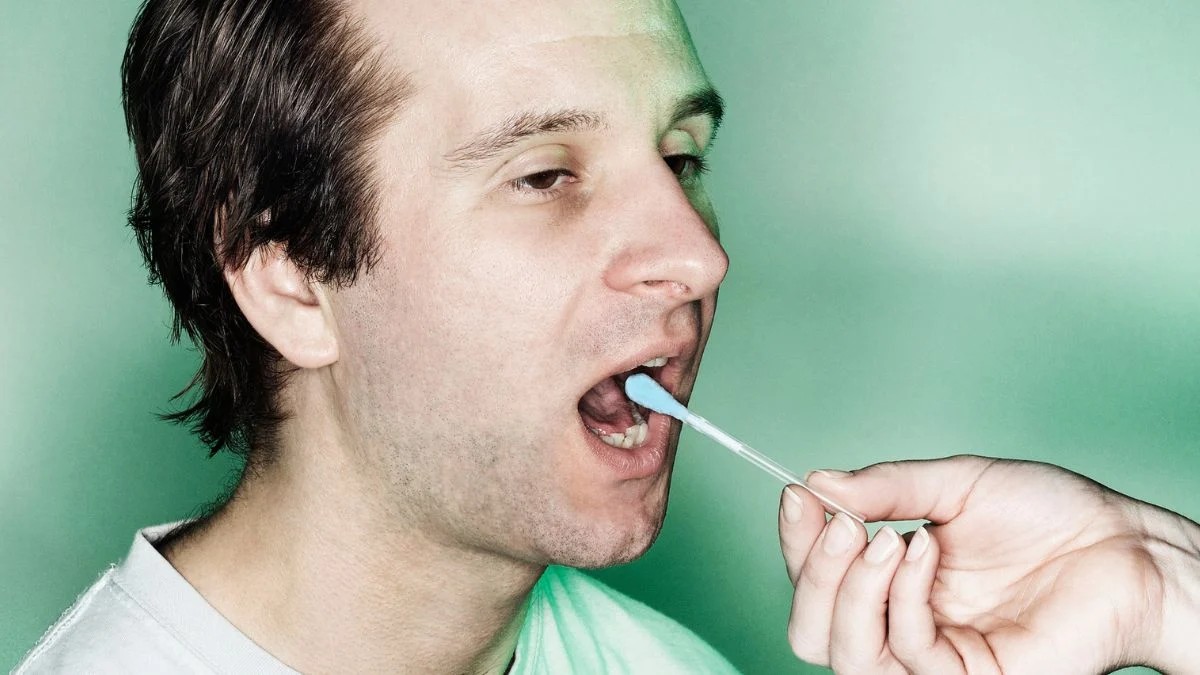
Oral cancer isn’t on anyone’s radar. Not really.
You don’t see billboards for it. You don’t chat about it over breakfast. Yet it’s creeping up in prevalence. It’s also deadly if you wait too long to look.
The old way of catching it is a nightmare. You wait for a sore to stay. A patch to linger on your tongue, gum, or cheek. Then a doctor slices it.
Scalpel work in the mouth hurts.
It’s invasive. It’s unpleasant. And often you need it twice, then three times, just to be sure a benign spot isn’t turning bad. People quit. They stop going back. The lesion keeps growing.
Enter the qMIDS system.
A UK-India research team just proved we can skip the blade. You swab. Wait. Done.
“The biological signal… is sufficiently strong,” says Muy-Teck Teh from Queen Mary University of London. “Even from superficial cells.”
This gives clinicians a rapid way to triage. And it can be repeated.
That last part matters.
Imagine tracking a risky patch every month. Without cutting. Without wincing. You catch the shift to malignancy early. Or you don’t, and you go about your day.
The math checks out.
545 patients. Potential cancers in their mouths. Brushed. Analyzed for four specific genes’ mRNA expression. Control swab from healthy tissue taken at the same time.
The results came back in under an hour.
95.5% accurate.
False positives under 5%. False negatives under 5%.
That rivals a scalpel biopsy. The researchers were actually stunned by the match in performance.
Why does this matter now?
Case numbers have doubled since 1990. Deaths followed. Smoking. Alcohol. HPV. We know the villains. But until now, we lacked a decent way to screen for them without causing more pain than the disease itself.
The team wants to sell it. They say clinics could be using it in two years.
Two years seems fast for regulatory approval. Maybe optimistic.
But the science is solid. The pain is gone. The wait is short.
So.
Will you actually go for the swab when it’s available?