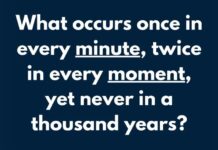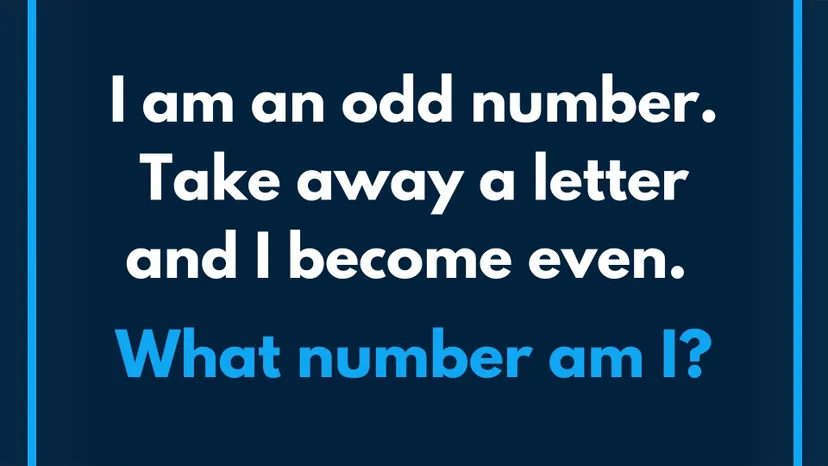
It’s simple. Brutally so. Seven is the answer.
You read the prompt, you chew on the silence, and then you hit the wall. The wall is a number. It’s not a word. It’s not a hidden symbol. It is the integer seven.
Why Seven? The Geometry of the Puzzle
Think about it. In the landscape of riddles, some answers are words that twist the tongue. Some are dates that require a calendar. This one? It’s a hard stop. A single digit. The riddle didn’t ask for a story. It asked for a fact. Or a count. Or a reference.
Maybe it was about the days of the week. Monday through Sunday. You can’t skip Friday if you’re doing it right. Maybe it was the planets before Pluto got the boot. Eight. Wait. No. That’s eight. So if the answer is seven, Pluto must be out of the picture. Or maybe it’s the dwarfs. Doc, Grumpy, Happy. Count them. One, two, three, four, five, six, seven. Snow White’s crew doesn’t do group therapy. They do arithmetic.
The Pop Culture Shortcut
When a riddle lands on seven, it’s usually cheating in a fun way. It relies on shared knowledge. You don’t need to solve a logic grid. You need to remember the Seven Samurai. The Seven Brides for Seven Brothers. The Seven Deadly Sins. Pride, envy, wrath, sloth, greed, gluttony, lust. It’s a list. Lists have numbers. Seven is the magic number for lists in Western storytelling.
Why? Because seven feels complete. It’s not four. It’s not ten. It’s the peak of the human hand. You look at your palm and see a count. You don’t need a calculator. You just extend your fingers. One, two, three, four, five. Then you need two more. Which you do. Seven.
The Riddle Answer
So, you were stuck. You were overthinking it. You were looking for a metaphor. There isn’t one. The riddle answer is just seven.
It’s a trick. A gentle one. It forces you to stop searching for complexity and accept the simplicity of the digit. It’s the final boss of basic math. The answer is right there. In the middle of the sentence. In the silence between the question and the reveal.
Seven.