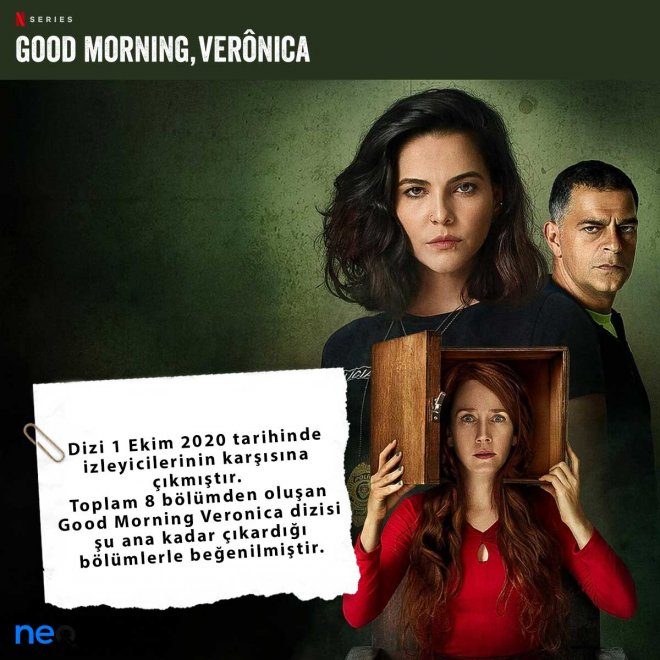
Netflix has built an empire on original content that doesn’t just entertain but actually sticks in your craw. Good Morning Veronica is the latest entry in that queue. It’s a crime drama that arrived on the platform on October 1, 2020. The series didn’t linger. It ran for eight episodes. That’s it. No bloated seasons. Just a tight, focused narrative designed to keep you hooked until the final frame.
Why does this matter? Because in an era where streaming services stretch stories thin to justify subscription fees, brevity can be a virtue. This show understands that. It delivers a punchy, violent, and emotionally heavy look at crime in Brazil. If you’re looking for a Good Morning Veronica review that cuts through the noise, here is what you need to know before you hit play.
The Premise: A Mother’s War
The story centers on Verônica Torres. She isn’t a detective. She isn’t a vigilante by trade. She’s a mother. Her son is involved in the criminal underworld. When things go wrong—and they always do—Verônica has to navigate a brutal landscape of violence and betrayal. The show doesn’t shy away from the gritty reality of Rio de Janeiro’s streets. It’s messy. It’s dangerous. It’s compelling.
The narrative explores the thin line between love and complicity. How far would you go to protect your child? The show asks that question relentlessly. It doesn’t offer easy answers. Instead, it shows the cost of those choices in blood and broken relationships.
The Cast: Strength in the Women
The heart of the show lies in its performances. The casting is sharp, with actors who bring a raw intensity to their roles.
- Tainá Müller plays Verônica Torres. She carries the emotional weight of the series. Her portrayal is nuanced, showing a woman who is both vulnerable and terrifyingly strong.
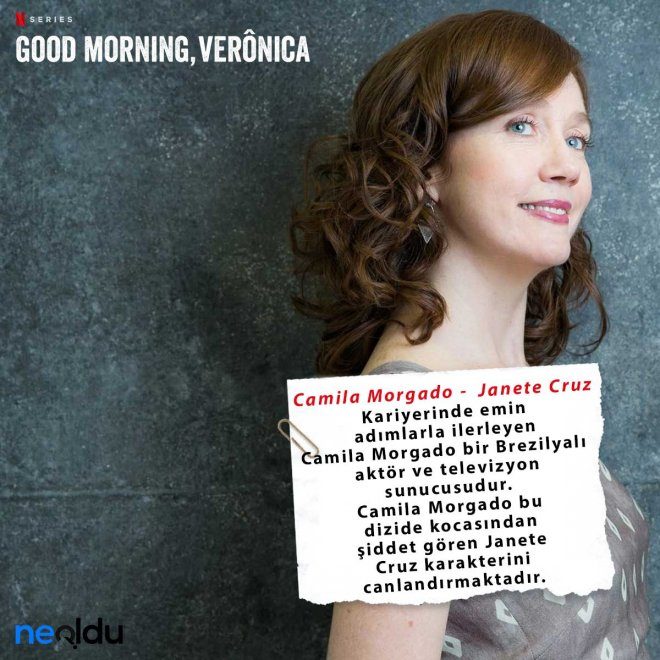
- Camila Morgado steps into the role of Janete Cruz. Her presence adds another layer of complexity to the power dynamics at play.
These aren’t just faces on a screen. They are characters who feel lived-in. The chemistry between them drives the tension. You watch, and you can’t look away.
What Viewers Are Saying
Audience reaction has been largely positive. The pacing is frequently cited as a highlight. Eight episodes is enough to build a world without overstaying its welcome. Critics and fans alike have praised the show for its unflinching look at crime. It doesn’t romanticize the life. It shows the consequences.
Some viewers found the violence intense. That’s a feature, not a bug. The show aims for realism in the crime genre. It’s not for the faint of heart. But for those who appreciate gritty dramas, it hits the mark.
Where to Watch and When
The series is available on Netflix globally. Since its release in 2020, it has maintained a steady presence in the crime drama category. It’s a complete story. You don’t need to wait for a second season to get closure. All eight episodes are there, ready to be binged.
Is it perfect? Maybe not. Some might argue it moves too fast for character development. But that’s the nature

Good Morning Veronica: İkinci Sezon Beklentileri ve Gizem Dönemi
Netflix’ten henüz Good Morning Veronica 2. sezon onayı ya da reddi gelmedi. Platform, merak edilen yeni sezon tarihi konusunda şu an için sessiz. Ama durum umutsuz değil. Sadece bir zamanlama meselesi.
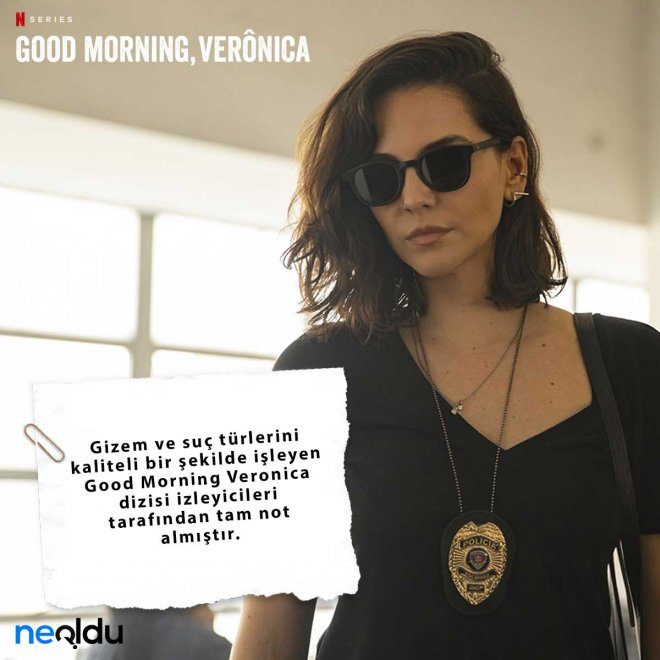
Dizi, izleyicilerden tam not aldı. Neden mi? Çünkü gizem ve suç türlerini o kadar kaliteli işliyor ki. Karakterlerin derinliği, anlatımın tempolu yapısı ve o klasik “bir sonraki bölüm” bağı. Bu kombinasyon, izleyiciyi ekran başına kilitlemiş durumda.
Performans verileri Netflix için her şey. Önümüzdeki aylarda, izlenme rakamları ve kullanıcı etkileşimi analiz edilecek. İşte o zaman net bir açıklama gelebilir. Beklemek zor ama dizi buna değer.
İzlerken “Bu sezon ne zaman gelecek?” diye soran çok kişi var. Cevap basit: dizinin başarısı konuşulmaya devam ettikçe, sorunun cevabı da yakında netleşecek. Şimdilik elinde kalan tek şey, ilk sezonun gerilim dolu atmosferini tekrar yaşamak ve bekleme listesinde kalmak.
The Brains Behind the Curtain
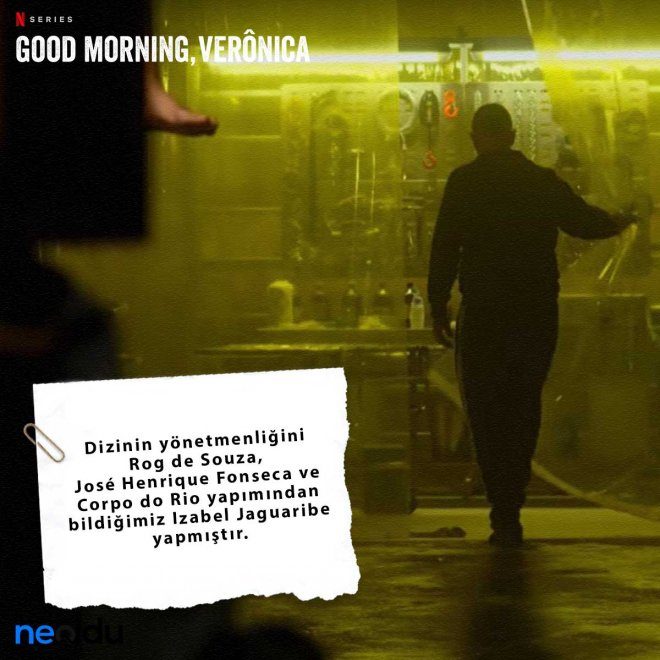
Who actually cooked up this mess? It’s a crowded room at the writers’ table. Gustavo Bragança shares the pen with Ilana Casoy, Carol Garcia, Davi Kolb, and the ever-watchful Raphael Montes. That is quite the stack of names to balance the tone.
As for steering the ship, the camera work falls to Rog de Souza and José Henrique Fonseca. You might recognize Fonseca’s name if you’ve ever watched Corpo Secreto (or Corpo do Rio in its original run), where he cut his teeth. He’s joined by Izabel Jaguaribe, another veteran from that production house. Between the two of them, they’re trying to keep the visual story from unraveling entirely.
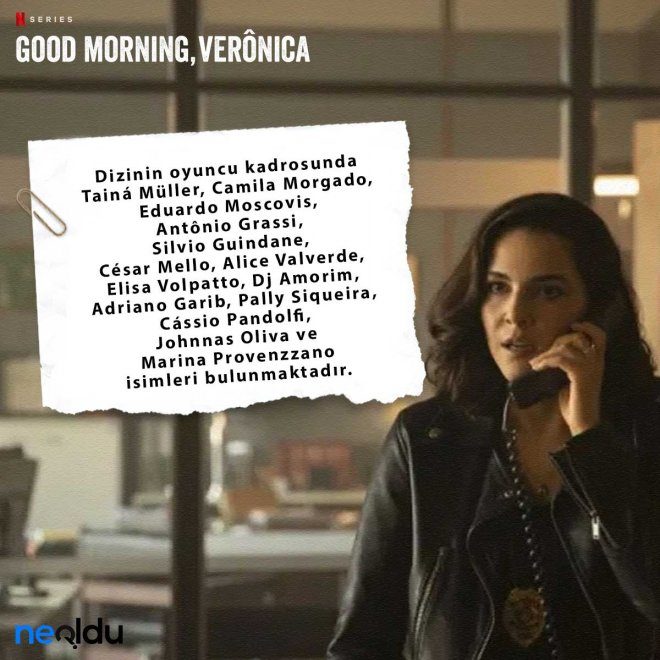
The cast list reads like a who’s who of Brazilian television.
Tainá Müller leads the charge, stepping into a role that demands both weight and nuance. She isn’t alone on screen. Camila Morgado adds her signature intensity to the ensemble, while Eduardo Moscovis brings a seasoned presence that anchors the more dramatic beats.
Then there’s the supporting heavy hitters. Antônio Grassi and Silvio Guindane offer depth that often gets overshadowed by the leads but holds the narrative together. César Mello and Alice Valverde provide the younger energy needed to keep the pacing tight.
You’ll also spot familiar faces like Elisa Volpatto and Dj Amorim, whose comedic timing likely provides necessary relief from the heavier plotlines. Adriano Garib and Pally Siqueira round out the core group, each bringing specific textures to their characters.
Cássio Pandolfi and Johnnas Oliva bring distinct energies, while Marina Provenzzano adds another layer to the already crowded dynamic. It’s not just a gathering of actors. It’s a carefully curated mix of experience and fresh faces, designed to keep viewers guessing until the final frame.
How do they interact? That’s the real test. The chemistry between Müller and Morgalo, for instance, will likely drive much of the central conflict. Meanwhile, the interactions involving Guindane and Moscovis suggest a more subtle, perhaps political or familial, tension.
The diversity in the cast isn’t just on paper. It reflects a broader landscape in Brazilian storytelling, where regional accents, social backgrounds, and generational divides play out in real time. Each name on that list represents a specific audience segment, a specific type of drama, or a specific kind of star power.
Does it work? That depends on the writing. But with this many experienced hands in the room, the baseline quality is hard to ignore. The real question is whether the script gives them enough room to breathe, or if they’re just moving pieces on a board designed by someone who doesn’t quite understand their range.
We’ll see.
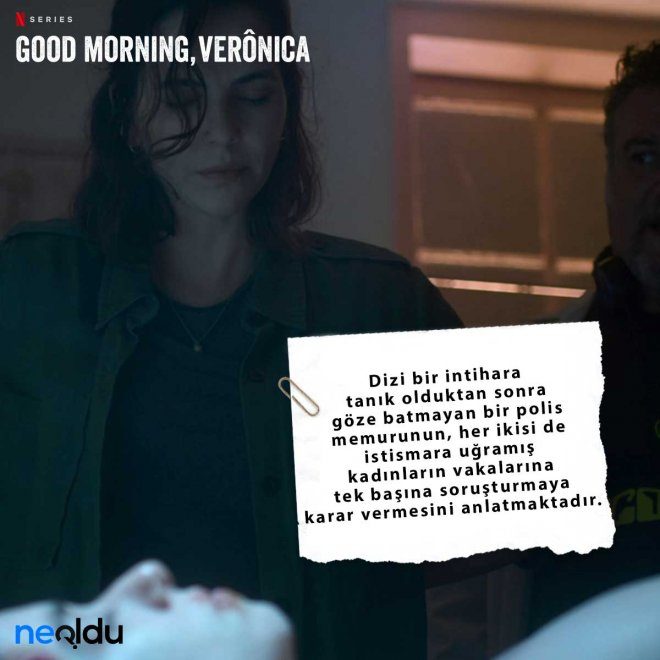
The fifth entry in this series dives into a narrative that starts with a bang—a suicide—but quickly pivots to something far more uncomfortable. We expect the police to care when a woman takes her own life. It’s tragic, it’s loud, and it demands immediate attention. But the story takes a different path. Instead of chasing the headlines, it focuses on a detective who barely registers on the radar. He is not the star. He is not the hero with the shiny badge and the fast car. He is the officer who blends into the background, the one people walk past without a second glance.
Why does this matter? Because in a world obsessed with high-profile crime thrillers, the real horror often hides in plain sight. This detective decides to investigate, not because he is ordered to, but because he sees a pattern. Two women. Both victims of sexual assault. Both seemingly forgotten by the system.
The Weight of Silence
The suicide that kicks off the plot serves as a grim backdrop, not the main event. It is a catalyst, yes, but the real story is about the women who survived. They are not just statistics. They are individuals whose trauma has been minimized, dismissed, or buried under bureaucratic red tape. The detective notices this. He sees how the system treats survivors of sexual violence as secondary characters in their own tragedies.
This is not a story about a lone wolf cracking the code through sheer genius. It is about persistence. It is about the quiet, unglamorous work of digging into cold cases while everyone else is looking for the next big break. The detective works alone. He has to. The department is too busy, too overwhelmed, or perhaps too complicit in the culture of silence.
Why Single Investigators Matter
When you look at how sexual assault cases are handled, the failure is often structural. Victims are questioned aggressively. Evidence is mishandled. Cases are closed prematurely. In this narrative, the detective steps into that void. He is not seeking glory. He is seeking justice for women who have been failed by every institution meant to protect them.
The story challenges the viewer or reader to ask: Why do we only care when the victim is dead? Why does a suicide force action, but years of suffering do not? The detective’s decision to take on these two cases highlights the disconnect between public outrage and administrative indifference.
The Human Cost
Each case is a window into the lives of these women. Their stories are not told in sensationalized detail, but in the quiet moments of fear, shame, and resilience. The detective’s investigation forces us to confront the reality that for many survivors, the assault does not end with the act. It continues in the way they are treated afterward, in the disbelief, in the lack of support, and in the societal tendency to blame the victim.
By focusing on these two specific cases, the narrative sheds light on the broader issue of how sexual violence is processed—or rather, how it is often ignored—within law enforcement and the judicial system. The detective’s solitary journey is a testament to the fact that sometimes, change comes not from the top down, but from the bottom up, from one person who refuses to look away.
A Quiet Rebellion
There is no grand speech here. No courtroom victory that ties everything up neatly. There is just the work. The detective
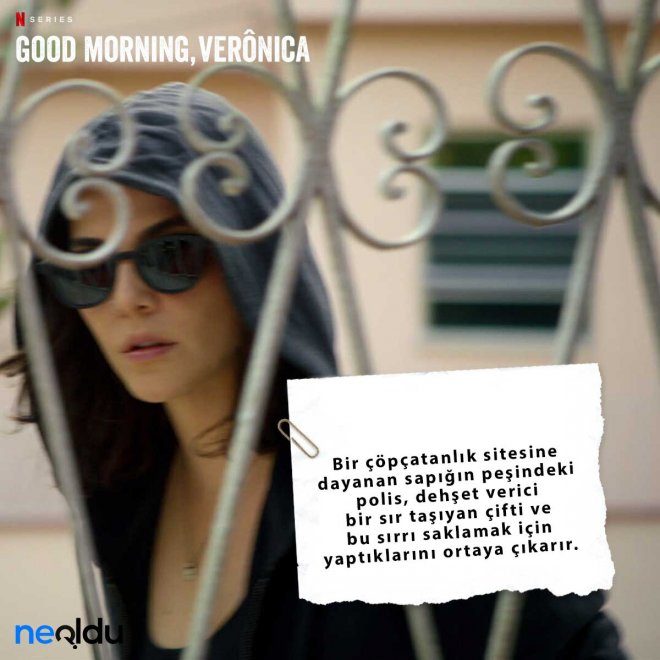
The premise sounds like something ripped from a true-crime podcast, but it plays out with the visceral tension of a thriller. The story centers on a detective who is no longer just investigating a crime; he is hunting a predator who weaponizes intimacy. The catalyst? A dating website designed to connect people, now serving as the primary crime scene.
The Hunter and the Hunted
The protagonist is a police officer driven by more than just duty. He is chasing a stalker—a man whose obsession has crossed from digital flirtation into physical terror. This isn’t a case of a broken heart. It is a case of calculated menace, where every swipe right leads to a dead end, and every message sent becomes evidence. The detective’s pursuit is methodical, brutal, and increasingly personal. He realizes that the man he is tracking doesn’t just want attention; he wants possession. And he is willing to destroy lives to get it.
The Couple’s Hidden Burden
Enter the couple. On the surface, they are the perfect picture of modern romance. They met online, they connect deeply, and they seem to have it all. But beneath the polished facade lies a secret so shocking, so morally corrosive, that it threatens to unravel everything they have built. The police officer begins to notice inconsistencies in their stories. Small lies. Glances that linger too long. A fear that doesn’t match their cheerful exteriors.
They are not victims of the stalker in the way we expect. They are complicit in something far worse. Their secret is not just a mistake; it is a foundational lie upon which their entire relationship rests. And now, the stalker is closing in, forcing them to make impossible choices.
The Cost of Silence
As the detective closes in, the couple’s actions become more desperate. They don’t just hide the truth; they actively eliminate any threat to their secrecy. This is where the horror sets in. It’s not just about being watched; it’s about what you do when you’re seen. The film explores the psychology of guilt and the lengths people will go to protect their image of normalcy.
“We didn’t kill him because we wanted to. We killed him because he knew who we really were.”
The line between self-defense and premeditated murder blurs. The detective must decide if he is chasing a killer or a victim who was pushed too far. The stalker is a monster, yes. But the couple? They are human. Flawed. Terrified. And terrifying in their own right.
Why It Resonates
This story works because it taps into our deepest anxieties about digital connection. We trust these platforms with our vulnerabilities. We believe that behind every profile is a real person with good intentions. But what if the person on the other end is a predator? And what if the person we’re connecting with is hiding a dark past?
The film doesn’t offer easy answers. It leaves you questioning the nature of intimacy, the reliability of online personas, and the thin veneer of civility that covers our darkest impulses. The stalker is the obvious villain, but the real horror lies in the choices the couple makes to keep their secret buried.
The Twist That Changes Everything
Without giving away the exact moment, let’s just say the final act recontextualizes
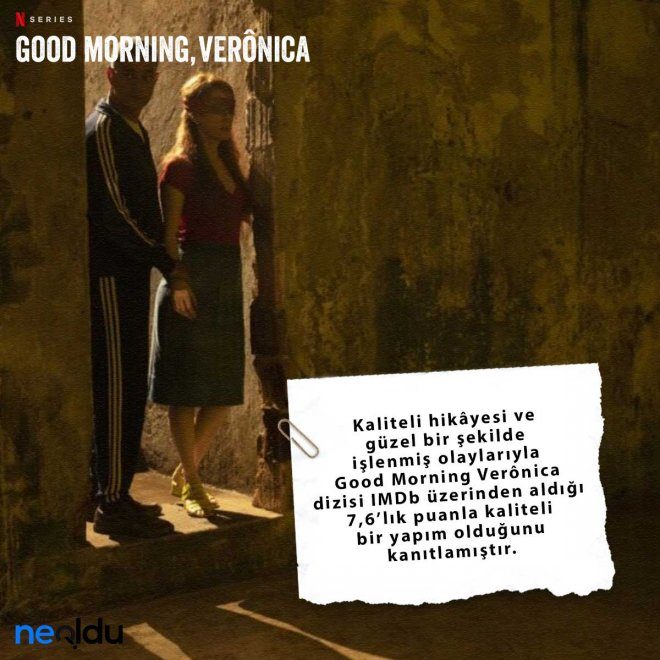
IMDb’deki 7,6 puanı, Good Morning Verônica dizisinin sadece eğlence amaçlı bir izleme deneyimi olmadığını, aynı zamanda kaliteli bir anlatıya sahip olduğunu kanıtlıyor. Bu skor, yapımın en iyi yabancı diziler arasına girmesi için yeterli bir kanıt.
Peki, bu yüksek puanın arkasındaki gerçek neden ne? Dizi, sadece bir cinayet davasını işliyor. Olaylar özenle işlenmiş. Karakter gelişimleri yüzeysel değil. Hikaye akışı, izleyiciyi sabırsızlıkla sonraki bölümleri beklemeye itiyor. İşte bu yüzden, Good Morning Verônica gibi yaplar, listede haklı olarak yer buluyor.
Detaylara Odaklanan Bir Anlatı
Dizinin gücü, şok edici sahnelerden çok, detaylı kurgusunda yatıyor. Her sahne, hikayenin parçası olarak düşünülmüş. Gereksiz diyaloglar yok. Sadece gerekli olanlar var.
Bu yaklaşım, izleyicinin olayları kendi zihninde işlemesine olanak tanıyor. Sonuç? Daha derin bir bağ kurma. Daha güçlü bir etki.
“Kaliteli bir yapım, izleyiciyi düşünmeye zorlar.”
Neden En İyi Yabancı Diziler Arasında?
Listelerde yer almanın tek nedeni, yüksek puanlar değil. Oynanışın derinliği de önemli. Good Morning Verônica, bu dengeyi kuruyor.
- Güçlü Senaryo: Her dönüş, beklenmedik ama mantıklı.
- Gerçekçi Karakterler: Mükemmel değil. İnsan gibi. Yanlışlar yapıyor.
- Atmosfer: Gerilim, her karede hissediliyor.
İzleyici, sadece bir cinayeti çözmüyor. Bir ailenin çöküşünü izliyor. Bir şehrin karanlık yüzünü görüyor.
Yabancı Dizi Arayanlar İçin Bir Tavsiye
Eğer gerilimli ve düşündürücü yabancı diziler arıyorsanız, bu isim listenizin başında olmalı. Özellikle Psikolojik gerilim türünü sevenler için tam bir deneyim.
Dizinin başarısı, sadece oyunculuklarda değil, yönetmenlerin vizyonunda da yansıyor. Her plan, bir sonraki şoka hazırlık niteliğinde. İzleyici, asla ne olacağını tam olarak bilemiyor.
İşte bu belirsizlik, merakı canlı tutuyor. Ve merak, en iyi hikayelerin yakıtı.
Why Good Morning Verônica Stands Out in the Crime Genre
Netflix has done us a favor again, dragging global television out of its comfort zone. I just finished Good Morning Verônica. It isn’t another telenovela. This crime thriller dropped on the streaming platform on October 1st. It follows Verônica, a police officer digging into dark, hidden cases. The reception has been intense.
One viewer with fifty years of TV experience called it the most original crime series they’ve ever seen. They didn’t just like it. They gave it a perfect score. Their praise wasn’t reserved for the plot alone. It went straight to the performances. Camila Morgado, playing Janete Cruz, a woman who endured harassment, was described as completely believable. Eduardo Moscovis, who plays the abusive partner and serial killer Cláudio Antunes Brandão, matched her intensity. The consensus is loud: bravo to the entire cast.
The Tension and the Acting
The series runs for eight episodes. There is no let-up in the tension. It demands your attention. The use of Portuguese adds a layer of authenticity that makes the viewing experience even more compelling.
Tainá Müller leads the pack as Veronica Torres. She brings a fierce energy to the role. Opposite her, Eduardo Moscovis plays the insane husband, Claudio. Camila Morgado portrays the victim, Janete. The dynamic between these three drives the narrative. One American reviewer noted that U.S. writers and directors should take notes. They’ve consumed Netflix’s culturally varied catalog for years. But this Brazilian series? It felt the most authentic. The acting was top-tier. They gave it a ten out of ten. They never expected to give a crime show such a high rating.
A Heavy, Realistic Portrait
Viewers found the show gripping. And terrifying. The anticipation of what happens next keeps you on edge. The series does not shy away from depicting mental and physical abuse. It handles the subject matter with a heavy hand but necessary care.
There is a strong female protagonist here. One for whom audiences can feel genuine sympathy. It’s considered one of the best police procedurals from last year. It needs more promotion. Another viewer pointed out that while many crime shows feel fake, Good Morning Verônica captures real truths. How women are tortured, beaten, and controlled. The presence of corrupt officials who turn a blind eye. The acting was flawless. Very few scenes felt unnecessary. This person hopes for a second season.
Not Everyone Is Convinced
Not all feedback is glowing. One critic argued that the story is good, but the direction suffers from typical Latin TV tropes. They cited unnecessary pans and close-ups. Why can’t creators learn from successful Scandinavian police dramas? It’s a valid critique of visual style, even if the core story holds up.
Breaking Down the Cast
To understand why the show works, you have to look at the people holding it together. Good Morning Verônica attracts serious talent. Here is a breakdown of the key players and the characters they inhabit.
Tainá Müller as Verônica Torres
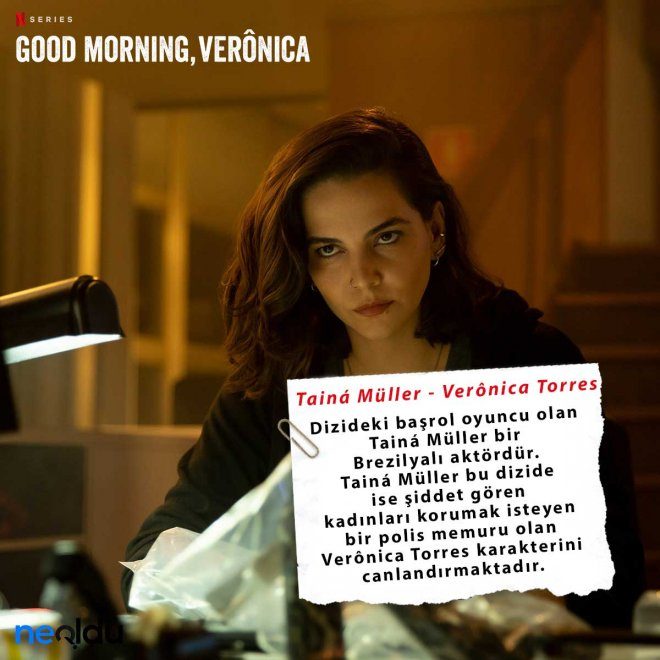
Tainá Müller is the anchor of the series. She is a Brazilian actress who has built a solid film career. You may recognize her from Elite Squad 2, Flor do Caribe, Did You… Score?, or Bingo: The King of the Morning. In this series, she steps into the shoes of Verônica Torres. Verônica is a police officer driven by a mission to protect women who have suffered violence. Müller brings a toughness to the role that makes Verônica feel like a real person, not just a plot device. Her performance is central to the show’s success.
Camila Morgado’s Breakout Role as Janete Cruz in Divorce
Camila Morgado has been climbing the ladder of Brazilian entertainment with steady, undeniable momentum. She is not just an actress; she is a television host who knows how to command a screen. But for many viewers, her name first became synonymous with one specific, gritty character.
Her filmography includes credits in Till Luck Do Us Part 2, Till Luck Do Us Part 3, Friendly Beast, and Albatroz. Yet, it is the drama series Divorce (or Casados com Filhos spin-off context) that truly put her on the map for a wider audience.
In this production, Morgado steps into the shoes of Janete Cruz.
This is not a role for the faint of heart. Janete is a woman trapped in a cycle of domestic violence, abused by her husband. The character’s arc is heavy, realistic, and deeply uncomfortable. Morgado does not shy away from the rawness of the performance. She portrays the fear, the hesitation, and the complex emotional landscape of someone trying to survive a toxic marriage.
Why does this role stand out? Because it moves beyond stereotype. Janete is not just a victim; she is a person navigating a system that often fails women in similar situations. Morgado’s portrayal resonates because it feels lived-in. It is messy. It is real.
For fans of Brazilian telenovelas and dramatic series, this performance is a key entry point into Morgado’s career. It showcases her ability to handle heavy social themes with nuance. You watch her in Divorce and see an actress who is willing to go to dark places for the sake of the story.
“She doesn’t just play the pain; she plays the silence that comes before it.”
This role has cemented her reputation as a serious dramatic actor. It is the kind of part that awards notice, even if the mainstream conversation stays focused on lighter fare. But for those looking for depth in Brazilian television, Morgado’s Janete Cruz is essential viewing.
The question isn’t whether she can act. It is whether you can handle the weight of what she is asking you to witness.
The Final Push: Why the Industry Is Betting Big on Nostalgia
We are deep in the trough of the nostalgia cycle now. It is not just a trend anymore. It is the entire economy of summer blockbusters and prestige television. Studios are digging through the archives with the intensity of grave robbers, looking for the next IP that already has a built-in audience. Why reinvent the wheel when you can just polish the hubcap? The result is a slate that feels less like new content and more like a reunion tour.
How Legacy Sequels Are Reshaping Storytelling
The formula has shifted. It is no longer about just bringing back the original cast for a quick cash grab. Audiences are smarter. They want the why. They want to know how the characters have aged, how the world has changed, and why this story matters now. A direct sequel is risky. A soft reboot is safer. A legacy sequel is the sweet spot. It lets you explore new themes while keeping the familiar anchors.
Think about the recent wave of films. They are not just repeating the plot. They are deconstructing it. The heroes are flawed. The villains are complicated. The stakes feel personal rather than global. This is a direct response to viewer fatigue with endless superhero universes and generic franchises. People want heart. They want history. They want to see their childhood heroes make hard choices.
Where the Data Points to the Next Big Hit
The numbers do not lie. Streaming platforms are seeing higher retention rates for shows that feature returning actors from beloved series. Box office reports show that films with “legacy” in the title perform significantly better in their opening weekend than original concepts. This is not a fluke. It is a strategy.
Studios are identifying specific demographics. Gen Z is curious about the classics. Millennials are feeling nostalgic. Gen X is ready for the sequel. By targeting these overlapping circles, they maximize reach. The marketing campaigns focus less on plot summaries and more on emotional connections. “Remember when?” is a more powerful hook than “Here is what happens next.”
Which Franchises Are Ready for the Spotlight?
Not every IP can be revived. Some are too niche. Some are too dark. The ones that work have a core emotional truth. They have characters people love to root for. They have worlds that invite exploration. Look at the upcoming slate. There are spy thrillers returning. There are sci-fi epics expanding. There are animated classics getting live-action treatment.
The key is respect. You cannot mock the source material. You cannot ignore the fans. You have to treat the original with reverence while adding something new. It is a tightrope walk. One misstep and you alienate the core base. One success and you launch a new franchise for the next decade.
Why the Risk Is Worth the Reward
Original content is hard. It is expensive. It is uncertain. Legacy content has a head start. It has brand recognition. It has a fan base that will buy tickets on sight. Yes, it can be criticized for lacking innovation. Yes, it can feel lazy. But in a crowded market, visibility is everything.
The industry is not losing its creativity. It is evolving it. It is learning that stories have longevity. They have power. They have value. And if you handle that value with care, it can pay dividends for years