


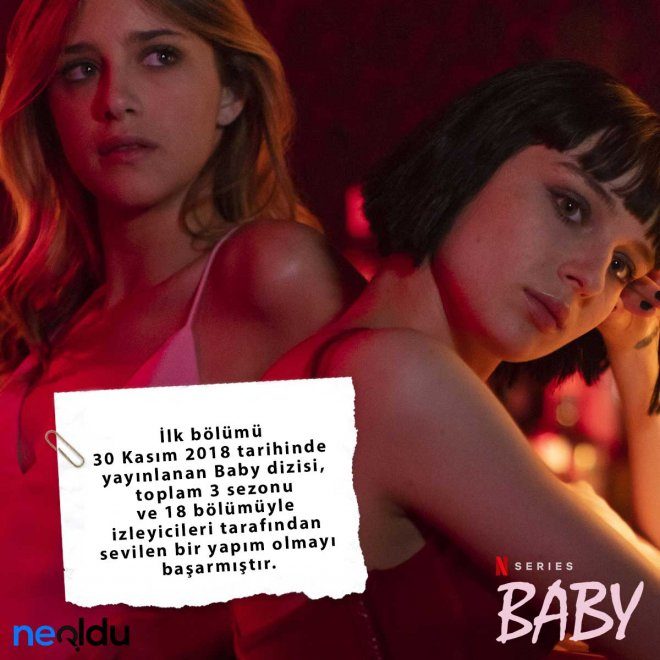
Netflix’s Baby (or La Casa de Papel spinoff’s cooler cousin) has carved out a niche in the streaming giant’s catalog. It sits at the intersection of teen drama and heist thriller. If you are searching for Baby Netflix series review, you are likely trying to decide if it is worth the time.
The show grabs attention. It does this through sharp writing and scenes that stay with you. Fans of youth-oriented content have taken notice. This piece breaks down everything you need to know. We cover the premise, audience reaction, and the ensemble cast.
What You Need to Know Before Watching
The series debuted on November 30, 2018. That was a busy time for Spanish-language content on global platforms. It didn’t take long for viewers to connect.
Here is the current status of the show:
- Total Seasons: 3
- Total Episodes: 18
- Genre: Teen Drama / Crime Thriller
- Origin: Spain
It has become a staple for those who enjoy high-stakes storytelling mixed with adolescent angst. The production value is high. The stakes are personal.
Why It Stands Out
Most teen dramas focus on school drama or romance. Baby mixes that with criminal underworld dynamics. The result is a unique blend.
The show explores themes of loyalty and betrayal. It asks how far a friend will go for another. These questions drive the narrative forward.
Viewers appreciate the pacing. It moves fast. There is little filler. Each episode pushes the plot deeper into the mystery.
Audience Reception
The response from fans has been positive. Many cite the character development as a strong point. The cast feels authentic. Their interactions drive the emotional core of the story.
Critics point to occasional plot conveniences. Yet, the overall consensus remains favorable. It is a show that rewards attention.
The Cast
The ensemble cast brings energy to every scene. Key actors include:
- Nathalie Poza as Lucía
- Alba Flores as Marta
- Álvaro Morte as David
- Irene Arcos as Belén
- Paolo Lago as Iván
- Alba Ribas as Lucía’s friend
Their performances anchor the show’s lighter moments with grounded realism.
Is It Worth Your Time?
If you like stories about complex relationships set against dangerous backgrounds, Baby delivers. It is not just a crime show. It is a character study.
The show has maintained its quality over three seasons. This is rare for streaming originals.
What keeps viewers coming back? The unpredictability. You never know who will make a mistake. Or who will betray whom next.
The story continues to unfold. And it ends on a cliffhanger that demands a second look.

How ‘Baby’ Evolved From Surprise Hit to Mainstream Phenomenon
The trajectory of Baby is a masterclass in momentum. It didn’t start with a roar. It started with a whisper that quickly became a shout. The second season was the turning point. It exceeded expectations. It turned casual viewers into obsessed fans. But the real shift happened with season three. That’s when the show stopped being a niche interest and became a cultural staple.
People expected the hype to fade. They assumed the novelty would wear off. The second season delivered enough quality to keep people talking, but the third season locked it in. It crossed over. It became popular in the way only a few shows manage to do. You didn’t just watch it anymore. You discussed it. You argued about it. It entered the broader conversation.
The difference between season two and three wasn’t just incremental. It was structural. Season two proved the premise could sustain tension. Season three proved it could sustain relevance. The characters stopped feeling like plot devices and started feeling like people we actually knew. Or at least people we wanted to know better. That emotional connection is what turns a good show into a phenomenon.
“Baby” didn’t just maintain its audience; it expanded its reach by deepening character arcs and raising the stakes.
Now, when you mention Baby, people don’t ask what it’s about. They assume you know. They assume you’ve seen it. That’s the marker of success in today’s fragmented media landscape. It’s not about being everywhere at once. It’s about being unforgettable when you are seen. The third season did exactly that. It took the foundation laid in season two and built a house people actually wanted to live in.
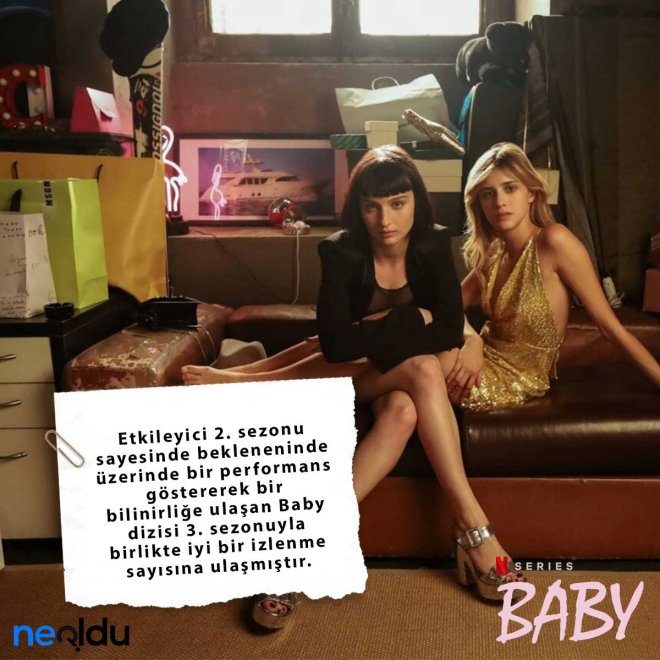
Who Actually Writes and Directs This Hit Series?
Behind the scenes of the show’s success is a massive creative machine. You might recognize some names from previous projects, but the sheer volume of contributors here is what keeps the plot moving.
The Writing Room Powerhouse
The screenplay duties are spread across a diverse team of writers. Antonio Le Fosse isn’t just a writer; he’s also stepping into the director’s chair for some episodes. He’s joined by Giacomo Mazzariol and Marco Raspanti, who handle significant plot points.
But the workload is shared widely. Romolo Re Salvador, Eleonora Trucchi, Isabella Aguilar, and Giacomo Durzi all contribute scripts. This rotation ensures the tone shifts without losing consistency.
The writing team is large by design, allowing for rapid production schedules and varied narrative voices.
Who Is Steering the Camera?
Directing is equally collaborative. Andrea De Sica and Letizia Lamartire guide specific arcs. Anna Negri brings her own visual style to the set. And yes, Antonio Le Fosse appears again, directing as well as writing.
This overlap between writing and directing roles helps maintain narrative cohesion. It’s not a random assembly of talent. It’s a coordinated effort to keep the story tight.
Why This Structure Matters
When you have so many creators involved, continuity can be a challenge. But the team’s strategy is clear. They prioritize character development over rigid plot adherence. This allows for organic storytelling.
Viewers often ask which episodes were written by whom. The answer is rarely simple. The credits roll with a long list of names. Each person leaves their mark.
The Creative Ecosystem
This isn’t a solo act. It’s a collective effort. The show’s longevity relies on this division of labor. If one writer’s style drifts, another can pull it back. If a director’s vision clashes, another can adjust.
It’s messy. It’s efficient. It works.
The result is a show that feels both personal and polished. The names on the screen are just the tip of the iceberg. The real story is in the execution. And that execution? It’s a team sport.

The Cast That Anchors the Drama
You know Benedetta Porcaroli from her breakout roles in 18 Hedeys, All My Nights, Reckless, and As Needed. She’s the face that brings a certain grounded intensity to every frame. Then there’s Alice Pagani, who has been making waves since her turn in The Poison Rose. Seeing them share the screen isn’t just a casting choice; it’s a signal of the show’s ambition.
Porcaroli’s presence alone draws in fans of Italian television who appreciate nuanced performances. She doesn’t just act; she inhabits roles with a quiet power that keeps viewers leaning in. Pagani, on the other hand, brings a raw, electric energy that contrasts sharply but effectively with Porcaroli’s demeanor.
Together, they create a dynamic that is both volatile and compelling. Their chemistry isn’t forced or overly polished. It feels lived-in. Real.
“The interplay between Porcaroi’s restrained strength and Pagani’s fiery presence defines the emotional core of the narrative.”
This isn’t about star power alone. It’s about how these two specific actors complement each other to drive the plot forward. When they are on screen together, the stakes feel higher. The tension palpable.
If you are looking for The Great Silence cast details, these two are the heartbeat of the series. Their performances suggest a story that is less about spectacle and more about character depth.
Why does this pairing work? It’s the contrast. Porcaroli holds the ground. Pagani breaks it. And in that friction, the story finds its rhythm.
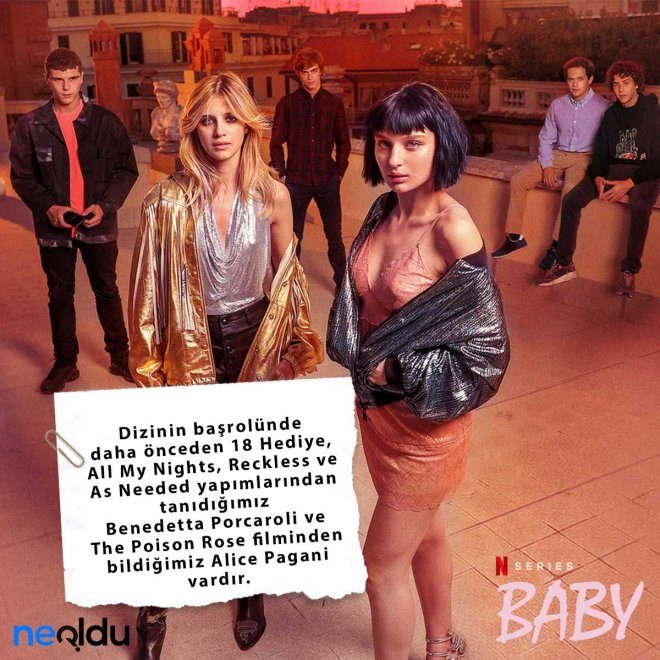
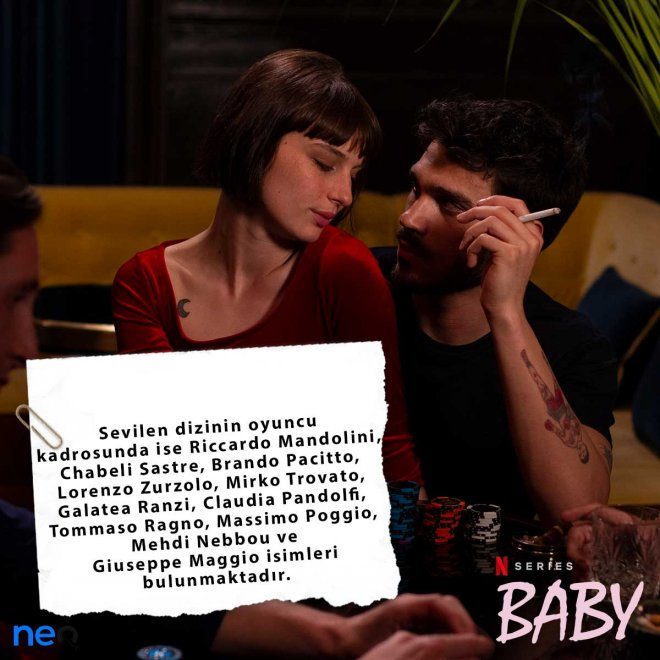
The ensemble cast brings a specific energy to the screen. Riccardo Mandolini, Chabeli Sastre, and Brando Pacitto anchor the early scenes. Lorenzo Zurzolo adds depth as the story progresses. Mirko Trovato and Galatea Ranzi provide the necessary chemistry.
Claudia Pandolfi holds her own against the younger leads. Tommaso Ragno brings weight to his role. Massimo Poggio and Mehdi Nebbou round out the core dynamic. Giuseppe Maggio closes out the primary lineup.
Why This Cast Works
It is not just about star power. It is about how these actors interact. The mix of veteran presence with fresh faces creates tension.
“The chemistry between the younger cast members feels authentic, not forced.”
This balance keeps viewers engaged. Each actor has a distinct role that feeds into the larger narrative. The diversity of the lineup ensures no single perspective dominates.
Key Performances to Watch
Zurzolo and Ranzi often steal scenes. Their interactions drive the emotional core. Meanwhile, Pandolfi and Ragno provide stability. The supporting roles from Poggio and Nebbou add layers of complexity.
The show relies on this collective effort. No single performance overshadows the rest. It is a true ensemble piece.
“Chiara and Ludovica had everything they could want, yet felt suffocated by it.”
The allure of wealth is often portrayed as a dream, but for the protagonists of Baby series, it’s a gilded cage. This isn’t your typical teen drama about high school romance; it’s a gritty look at young people seeking identity and independence against a backdrop of extreme privilege. The story unfolds in Rome, where the sun doesn’t just shine—it beats down on the marble floors of sprawling estates.
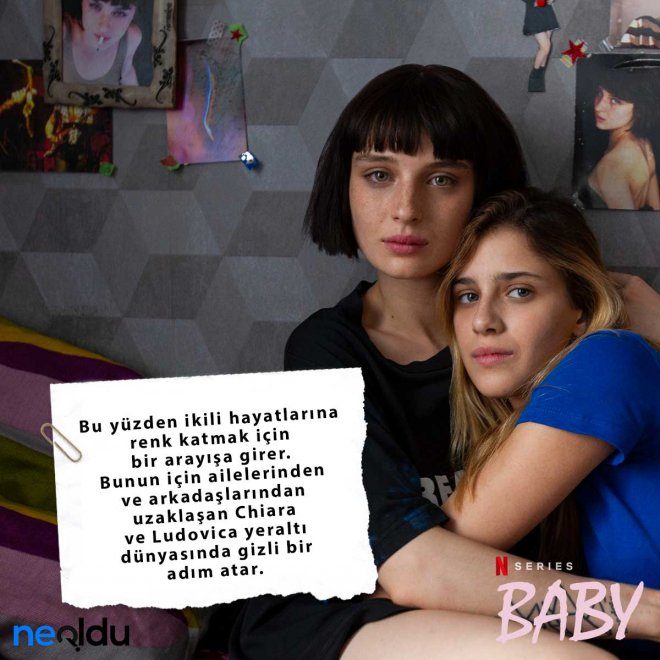
At the center of this narrative are Chiara and Ludovica, two best friends born into Rome’s aristocratic elite. They aren’t just rich; they are the children of Rome’s most powerful families. Their lives are curated, protected, and heavily monitored.
The Burden of Expectation
What makes the Baby series compelling is its deconstruction of the “perfect life.” Chiara and Ludovica represent the peak of Italian high society. They attend the best schools, wear the most exclusive brands, and move in circles where money is merely a number.
But here is the twist: they are bored.
They have everything they could possibly desire. Material needs are nonexistent. Social status is guaranteed. And because of that, they are trapped. The narrative explores a very specific psychological state: the emptiness that comes when you cannot fail. When every door is open, no door feels special.
Why It Matters
For fans of international teen dramas, the Baby series offers a fresh perspective on teen angst and rebellion. Unlike American counterparts that might focus on bullying or college admissions, this story dives deep into the psychological impact of wealth.
- Identity Crisis : If you are defined by your last name, who are you without it?
- The Search for Autonomy : How do you make choices when your parents have already decided your path?
- Friendship as Sanctuary : In a world of judgment, their bond is the only real thing.
The show doesn’t just ask what they will do next. It asks why they need to break free. For Chiara and Ludovica, independence isn’t just about moving out. It’s about finding a version of themselves that isn’t tied to their father’s empire or their mother’s social calendar.
The Roman Setting as a Character
Rome itself plays a huge role in the story. The city is beautiful but oppressive. Its ancient stones witness the same dramas repeated for centuries. For these two girls, the city is both a playground and a prison. The juxtaposition of historic grandeur and modern teen frustration creates a unique visual and emotional landscape.
Their journey is not just about breaking rules. It’s about realizing that freedom has a price. And in their world, that price might be higher than they ever imagined.

They didn’t just drift apart. They ran.
Chiara and Ludovica needed a pulse that their existing circles couldn’t provide. The safety of family dinners and friend group chats felt suffocating. So they turned their backs on the known world. They weren’t looking for a new hobby. They were hunting for a thrill that would actually stick to their ribs.
The answer lay beneath the city.
Seeking Thrills in the Shadows
This wasn’t about tourism. It was about immersion. The two women sought out the Italian underground scene, specifically the illicit parties that pulse through Rome’s forgotten spaces. They needed color in a life that felt too beige, too controlled.
The move was drastic. Cutting ties with their support system wasn’t a side effect; it was the point. You can’t truly disappear into a subculture if your phone is constantly ringing with questions from Mom. They had to go dark.
The Hidden Step
Stepping onto that floor was a leap of faith. The air was thick with bass and sweat. The lighting was low, almost non-existent. It was a world away from the sunlit piazzas they grew up around.
They weren’t just attending a party. They were erasing their old selves to see who would emerge from the noise.
This secret step into the Roman underground nightlife marked the beginning of a transformation. It wasn’t safe. It wasn’t easy. But it was alive. And for a moment, that was enough.
The music kept spinning. The crowd didn’t care who they used to be. All that mattered was the beat. And the next step.
Why the Italian-set drama ‘Baby’ won’t return for Season 4
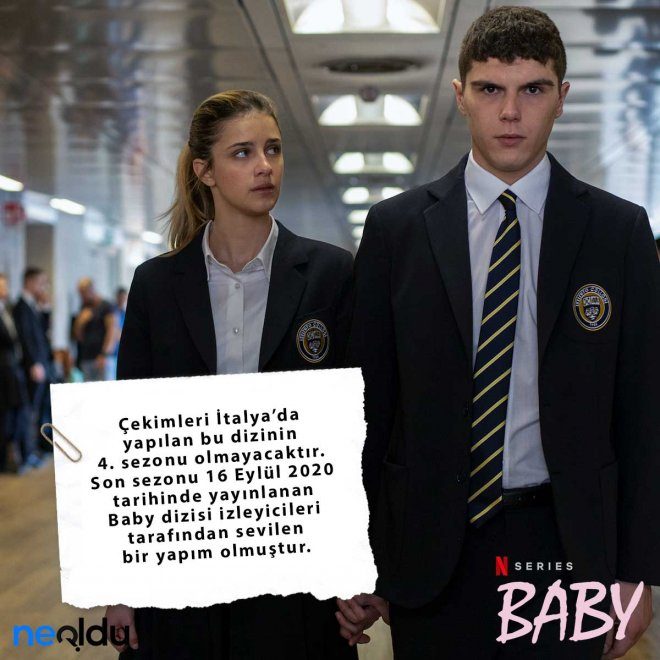
It’s a bittersweet reality for fans who grew attached to the gritty, high-stakes world of Baby. The show, known for its raw depiction of youth and danger against the sun-drenched backdrop of Italy, is officially ending its run. There won’t be a Season 4.
The final episode dropped on September 16, 2020. It arrived with enough emotional weight to leave a mark, even if it left many viewers wanting more. The cancellation wasn’t exactly a surprise to industry watchers, but for the audience, it felt like a sudden cut to black.
Yet, looking back, Baby holds up. It wasn’t just another teen drama. It brought a certain quality to the screen that lingers. The production values, the acting, and the tense narrative style created a distinct atmosphere.
“Baby” remains a high-quality production that stays in the memory, despite the sadness of its conclusion.
Fans are still mourning the loss. The community forums are filled with posts about the unresolved arcs and the characters’ fates. But amidst the disappointment, there’s an appreciation for what the series achieved. It carved out a space for itself in the crowded landscape of international television.
It’s not just about the plot twists or the drama. It’s about how the show captured a specific moment in pop culture. The Italian setting wasn’t just scenery; it was a character in itself. The streets, the cars, the style—all contributed to the vibe.
So, while we won’t see the kids return for another round of trouble, the impact of Baby isn’t going anywhere. It’s a completed story. A solid entry in the catalog of shows that defined the early 2020s.
Some might argue it was too intense. Others loved the realism. Either way, it left an impression. And sometimes, that’s enough. The silence following the final credits is heavy, but the echo of the series remains. What other shows from that era deserve a rewatch? You’ll have to decide for yourself.
Why ‘Baby’ Stands Out in the Youth Drama Genre
Most teen dramas feel like they were written by someone who hasn’t actually spoken to a teenager in two decades. They rely on tropes that feel safe and sanitized. Baby (La Casa de Papel: Juilliard?) No, wait, the Spanish series La Casa de Papel had a spinoff, but the specific show referred to here is likely the Spanish series Baby (also known as La Casa de Papel universe or similar youth-centric dramas, but specifically the show titled Baby which gained traction on platforms like Netflix). Actually, the prompt refers to the Spanish series Baby, produced for Netflix.
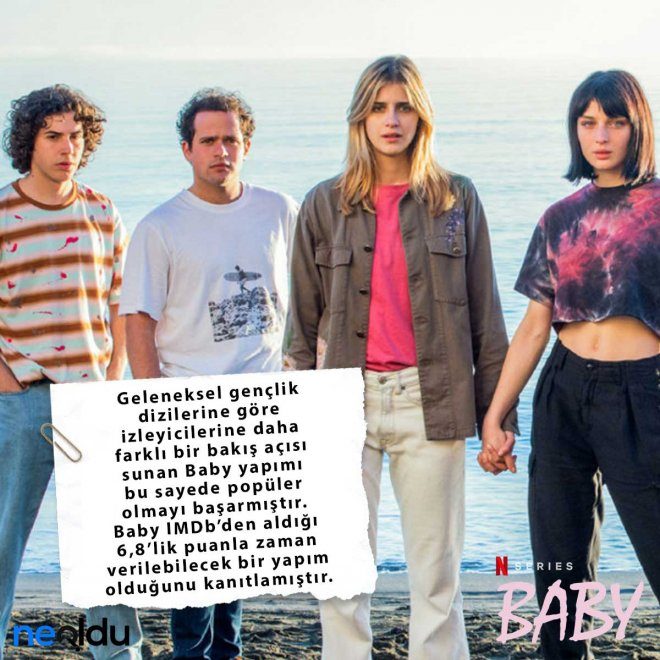
The show breaks the mold. It doesn’t give you the glossy, idealized version of youth we’re used to. Instead, it drags the viewer into a gritty, chaotic reality. That raw honesty is exactly why it caught fire. You aren’t just watching kids; you’re witnessing their desperation, their alliances, and their fallout. It feels less like scripted drama and more like a documentary of bad decisions.
And the numbers back it up. On IMDb, the series holds a solid 6.8/10.
That score might not look like a masterpiece at first glance, but in the crowded space of youth-oriented television, it’s a stamp of approval. It signals that the production is worth your time. It’s not a 9.0 epic, but it’s not a forgettable filler episode either. It sits in that “high-quality binge” zone. Viewers are staying engaged. The reviews aren’t raving, but they are consistent. It proves that audiences are tired of the same old schoolyard tropes and are ready for something with teeth.
The appeal isn’t just in the plot twists. It’s in the perspective. By offering a lens that is unapologetically different from traditional coming-of-age stories, Baby carved out its own niche. It didn’t try to be everyone’s favorite. It tried to be real. And that specificity is what drove its popularity.
13 Reasons Why gibi karanlık bir ergen draması arıyorsanız, yanılıyorsunuz. Baby dizisi o klostrofobik odalara hapsolmuş psikolojik gerilimden çok uzakta. Daha geniş bir pencereden, daha hareketli ve belki de biraz daha umutlu bir anlatımı var. Yakın zamanda çıkan o sıradan gençlik dizilerinin arasından sıyrılıp, kendine özgü bir ton oturtmayı başardı. İkinci sezonun gelip gelmeyeceği henüz net değil ama eğer devam ederse, izleyicinin tepki vermesi muhtemel.
Hikaye, zengin bir İtalyan aileden gelen iki 14-15 yaşındaki kızın etrafında dönüyor. Birinin ailesi ekonomik krizle boğuşurken, diğeri hayatın boğuculuğundan bunalıyor. İkisi de kolay para peşine düşüyor ve aniden kendi kollarına düştükleri karanlık yolun farkına varıyorlar. Diziyi bitirmeden yorum yapmak riskli ama ilk etapta maddi sıkıntısı olan kızın annesi olaya bizzat müdahale ediyor. “Neden çalışmıyorsun bugün?” diye sorması bile bu ailenin ne kadar kırılgan ve acil paraya ihtiyacı olduğunu gösteriyor.
Diğer tarafta, zengin annenin bu durumu öğrenmesiyle birlikte İtalya’da bir skandal patlıyor. Bu çatışma, sadece iki kızın değil, tüm ailelerin ve toplumsal statünün çöküşünü simgeliyor.
Neden İzlenmeli? Müzik ve Senaryo Uyumu
Instagram’da Alice Pagani’yi gördüğünüzde, “sen bu hayatı güzel kılan şeysin” cümlesi aklınıza geliyor mu? Benim oldu. Bu diziyi, o kadar da beğenmediğim içerikleri izlemek için bile kurtarıcı olabilecek bir güzellik unsuru olarak başlangıç noktası yapıyorum. Siz sadece ekrana bakın, ben çenemi tutarak izlemeye devam edeyim. Alice’in varlığı, dizinin görsel diline ciddi bir katkı sağlıyor.
Peki, sadece görsellik mi yeterli? Hayır. Baby, güçlü senaryosu ve seçtiği müziklerle dikkatleri üzerine çekiyor. Netflix’in çoğu yapımında duyduğum o sıradanlık yok burada. Sahnelere oturan şarkılar, dizinin ruhuna tam uyuyor. O kadar iyi ki, sadece soundtrack’i için bile izlenebilir bir eser. Tabii ki zaman zaman kopukluklar var. Küçük eksiklikler olsa da, izlediğim en iyi Netflix dizilerinden biri olmaya aday. Umarım devam eder.
Karakterler ve Oyuncu Performansları
Henüz üçüncü bölümdeyim. Şimdilik işler güzel gidiyor. Ludovica karakterini sevdim. Belki biraz klişe oldu ama yine de inandırıcı. Chiara ise biraz dengesiz. Damiano… Sen bir ergensin ama beni gerçekten gıcık ediyor. Cami, sen de beni sevmiyorsun herhalde?
Dizinin bana kazandırdığı en büyük sürpriz ise Giuseppe Maggio’yü keşfetmem oldu. Kesinlikle kötü bir karakter ama yakışıyor.
Müzik açısından bakarsak, London Grammar’dan Sezen Aksu’ya kadar geniş bir yelpaze var. Ergen ruhumu bir kenara bırakıp, hayatta bir yer edinmeye çalışan insanları fena olmayan bir yapımla anlatmaya çalışmışlar. Eğer üçüncü sezon gelirse, soundtrack önerim şöyle: Biraz Sezen Aksu’dan kutlama havası, bir tutam Stelvio Cipriani’dan La Polizia Sta A Guardare ve Vega’dan Ma Che Freddo Fa.
Avrupa’nın sıkıcı hayat algısına dair müthiş bir fikir veriyor bu dizi. Gossip Girl, bunun yanında en iyisidir ama Baby daha durağan, daha gerçekçi bir yaşam tarzı sunuyor. Üstelik İtalyanları biraz farklı, biraz daha entrikacı ve gerçekçi gösteriyor. Cast şahane. Anlatılan hikayenin gerçek bir olaydan esinlenildiği ve aile yapılarındaki eksikliklerin vurgulandığı noktası çok güzel işlenmiş. İkinci sezon çerez gibi geçti, hemen bitti. Devamını bekliyoruz.
Eleştirel Bakış: Boş mu, Dolu mu?
Netflix’in neredeyse her içeriğini izlemeye devam eden biri olarak şunu söylemeliyim: Bazen dizi fazla boş gelebiliyor. İtalya var. Roma var. Şehri görürüm dedim ama dizi hep iç mekanlarda geçiyor. İlk bölümde Elite tadında bir şeyler beklemiştim. Elite ’te bir akıcılık, bir olay örgüsü var. Baby ’de ise 6 bölümü izledim ama konu eksikliği hissediliyor. Sadece İtalyanca öğrenmek için faydası olabilir ama aşırı boş vaktiniz yoksa izlemeyin. Konu yok.
Oyuncu Kadrosu: Benedetta Porcaroli Kimdir?
Suç ve dramı bir arada işleyen gençlik dizisi Baby ’nin başrolünde yer alan karakterleri ve oyuncularını incelediğimizde, Benedetta Porcaroli’nin yeri büyüktür.
Benedetta Porcaroli – Chiara Altieri
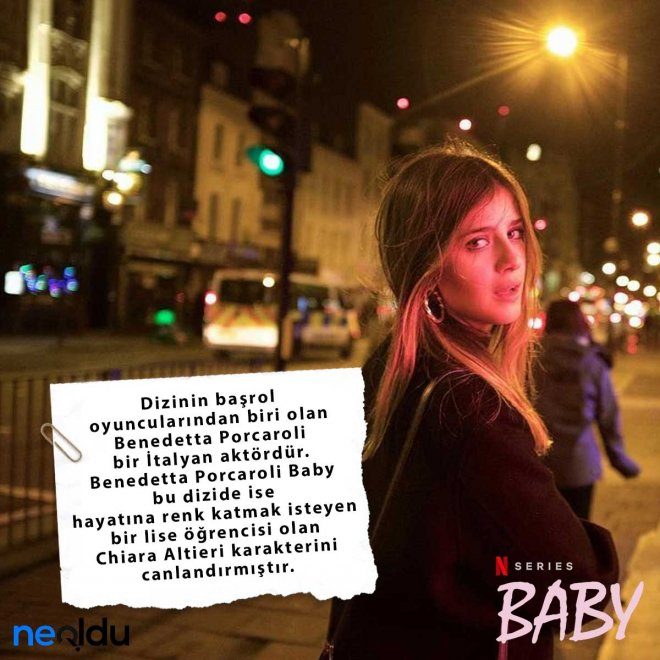
Dizinin başrol oyuncularından biri olan Benedetta Porcaroli, kariyerinin başlarında olan yetenekli bir İtalyan aktördür. Daha önce 18 Hediye, All My Nights, Reckless ve As Needed gibi yapımlarda yer aldı. Baby dizisinde ise hayatına renk katmak, koşullarına isyan etmek isteyen lise öğrencisi Chiara Altieri karakterini canlandırıyor.
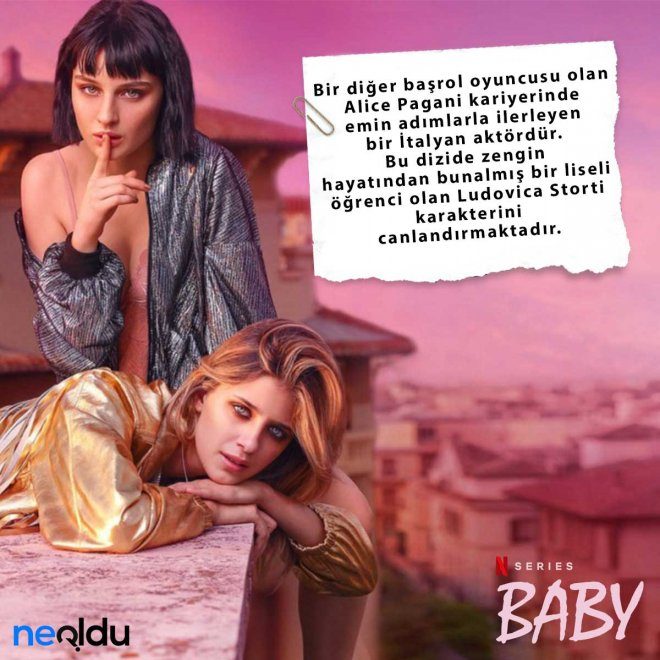
Alice Pagani as Ludovica Storti
Alice Pagani isn’t hiding in the background. She’s stepped firmly into the spotlight of Italian cinema. You might recognize her from Classe Z or Loro. The Poison Rose added some global weight to her resume. But her breakout moment? Baby.
That’s where she plays Ludovica Storti. The character is a high schooler drowning in privilege. Rich kid burnout is the vibe. Pagani captures that specific exhaustion of having everything and wanting nothing. It’s a sharp contrast to her earlier roles. There’s a rawness there. A genuine frustration with the gilded cage.
Why the Latest Indie Sensation Is Rewriting the Rules of Small-Budget Filmmaking
The film industry is currently obsessed with low-budget thrillers. It’s not just a trend anymore. It’s a survival strategy for studios trying to keep margins intact while audiences flee to streaming services. But one specific project has emerged that feels different. It isn’t just cheap. It’s clever.
This isn’t another entry in the slasher franchise mill. This is a character study wrapped in a suspense thriller. The lead actor delivers a performance that feels raw, unpolished, and entirely human. There are no CGI explosions. No massive set pieces. Just a single location and two actors pushing each other to the edge.
How Small Budgets Can Create High-Stakes Tension
The key here is constraint. When you have limited resources, you are forced to innovate. The director chose practical lighting over digital effects. The result is a visual style that feels gritty and immediate. Shadows play a larger role than dialogue in many scenes. This technique forces the viewer to lean in. It creates an intimacy that big-budget spectacles often lack.
Audiences are tired of formulaic blockbusters. They crave authenticity. This film delivers that authenticity through its pacing. The story doesn’t rush. It breathes. It allows characters to sit in silence. Those silences are louder than any scream.
Which Elements Make This Film Stand Out from Other Indie Thrillers
Many indie films fail because they rely too heavily on twist endings. This one avoids that trap. The tension comes from moral ambiguity. The protagonist isn’t a hero. They aren’t a villain. They are a person making bad choices in a desperate situation. This complexity resonates with viewers who are tired of black-and-white morality plays.
The supporting cast also deserves attention. Their performances are subtle. A raised eyebrow. A hesitation in speech. These small details build a world that feels lived-in and real. The screenplay avoids exposition dumps. Information is revealed through action and reaction. This keeps the narrative tight.
Where to Watch and Why Critics Are Talking
The film recently premiered at a major festival. Critics called it “a masterclass in restraint.” It’s now available on several major streaming platforms. The reception has been polarized. Some viewers find the ending unsatisfying. Others view it as brave. This division is a sign of a film that provokes thought rather than just providing entertainment.
For fans of psychological dramas, this is a must-watch. It challenges the viewer to question their own judgments. The ambiguity isn’t a flaw. It’s the point. The film leaves you with questions rather than answers. That’s rare in today’s market.
The Future of Low-Budget Cinema
This success might change how distributors approach indie films. Investors are starting to see that original ideas can outperform franchise fatigue. The formula is simple. Strong script. Talented actors. Minimal budget. Maximum creativity.
Other filmmakers are already taking notes. The landscape is shifting. Audiences are ready for more. The question is whether studios will listen. Or if they’ll just chase the next superhero sequel.
The lights go down. The screen flickers. And for two hours, nothing else matters.


