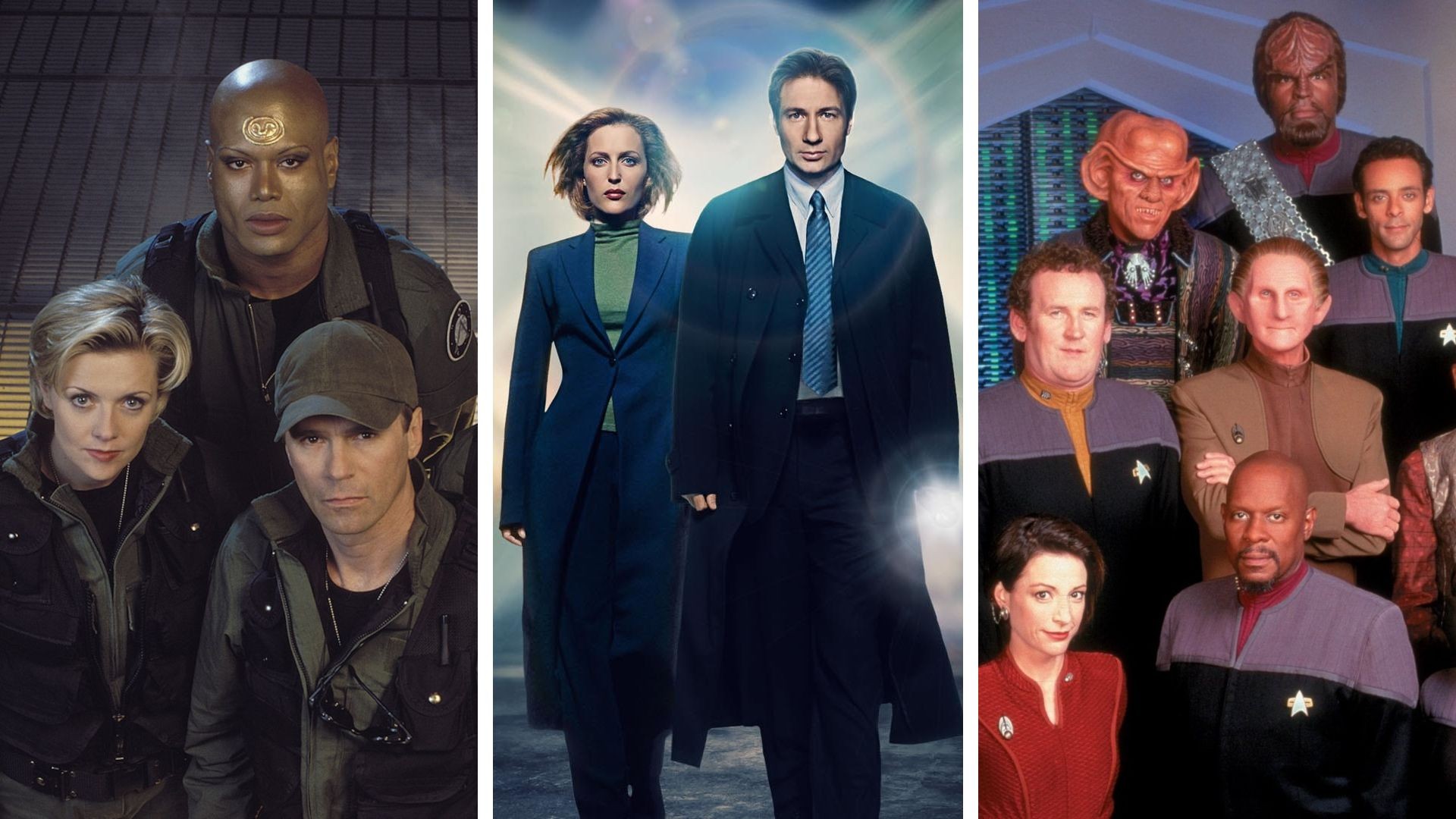
The 1990s represent a pivotal era for science fiction on television. While often remembered for its fashion and music, the decade quietly delivered some of the most imaginative and enduring sci-fi series ever made. Driven by audiences familiar with franchises like Star Trek and Star Wars, studios began experimenting with more ambitious concepts, resulting in shows that still resonate today. This list revisits 10 of the best, highlighting their lasting impact and why they matter.
Why the 90s Mattered for Sci-Fi
Before streaming, network television held a powerful grip on pop culture. The 1990s were a sweet spot: budgets were rising, special effects were improving, and writers were pushing boundaries without the immediate demands of today’s hyper-competitive media landscape. This allowed for longer story arcs, deeper world-building, and the kind of creative risks that don’t always survive in modern television. The shows below are testaments to this freedom.
10. Earth: Final Conflict (1997-2002)
This series, conceived with input from Star Trek creator Gene Roddenberry, explores a chilling premise: an alien race arrives on Earth offering solutions to global problems, but with hidden agendas. The Taelons bring technology that eradicates war, famine, and disease, yet a human resistance emerges, suspecting their benevolence is a facade. Though its later seasons faltered, the show’s strong world-building and exploration of moral compromise made it a standout.
9. Sliders (1995-2000)
Sliders tapped into the multiverse trend before it became mainstream. A scientist invents a wormhole device, and he and his friends become trapped hopping between parallel universes. The series thrived on its episodic nature, delivering bizarre alternate realities—dinosaurs, corporate dystopias, Elvis Presley still alive—and maintained a loyal following despite its eventual cancellation.
8. 3rd Rock from the Sun (1996-2001)
This sitcom brilliantly satirized human life through the eyes of aliens disguised as a suburban family. NBC’s 3rd Rock blended sharp writing with stellar performances from John Lithgow, Jane Curtin, and French Stewart. The premise—aliens observing Earth’s customs—allowed for endless comedic scenarios and sharp cultural commentary. William Shatner’s guest appearance as the Big Giant Head remains an iconic moment.
7. Star Trek: Voyager (1995-2001)
Voyager broke ground by introducing the first female captain in Star Trek history, Captain Kathryn Janeway. Stranded 70,000 light-years from home, the crew of the USS Voyager faced a long and perilous journey through the Delta Quadrant. The show also championed diversity, featuring a prominent Asian male character as a series regular. Its legacy is secure, and its influence on later Star Trek iterations is clear.
6. Babylon 5 (1994-1998)
Often compared to Deep Space Nine, Babylon 5 distinguished itself with its meticulously planned five-season arc. The show’s complex mythology, developed by J. Michael Straczynski, unfolded in a sprawling space station that served as a meeting ground for diverse alien races. While its early CGI was crude, its storytelling was ambitious and earned it a dedicated fanbase that persists today.
5. Eerie, Indiana (1991-1993)
This quirky series blended horror, comedy, and sci-fi into a family-friendly package. Eerie, Indiana follows a teen who moves to a town where the bizarre is commonplace. Werewolves, aliens, and vengeful tornados are just part of everyday life. Directed in part by Joe Dante (Gremlins ), the show tapped into a nostalgic, spooky aesthetic that remains appealing.
4. Farscape (1999-2003)
An Australian import, Farscape stood out for its unique visuals, dark humor, and puppet-driven alien designs by the Jim Henson Creature Shop. An American astronaut falls into a wormhole and joins a crew of escaped prisoners aboard a living spaceship. The series was canceled prematurely but has since gained cult status due to its originality and unpredictable storytelling.
3. Star Trek: Deep Space Nine (1993-1999)
This Star Trek spinoff distinguished itself with a darker, more morally ambiguous tone. Set on a former Cardassian outpost, Deep Space Nine delved into complex themes of war, religion, and occupation. Avery Brooks’s commanding performance as Captain Sisko anchored the series, while characters like Quark and Garak added depth and nuance to the franchise.
2. Stargate SG-1 (1997-2007)
Reviving the concept from the 1994 film, Stargate SG-1 became a sci-fi cornerstone. A team of scientists and soldiers travel through the Stargate to explore alien worlds and defend Earth. The show blended action, mythology, and humor, making it accessible to both genre fans and casual viewers. With a revival in development, SG-1 ’s legacy is far from over.
1. The X-Files (1993-2002, 2016-2018)
Chris Carter’s masterpiece defined the 1990s sci-fi landscape. The X-Files followed FBI agents Fox Mulder and Dana Scully as they investigated paranormal phenomena. The series skillfully balanced standalone monster-of-the-week episodes with a deep, overarching conspiracy involving government cover-ups and alien colonization. Its cultural impact is undeniable, influencing countless shows that followed.
The 1990s sci-fi boom laid the groundwork for much of the genre’s success today. These shows weren’t just about spaceships and aliens; they were about exploring humanity’s place in the universe, challenging conventional narratives, and pushing the boundaries of television storytelling.