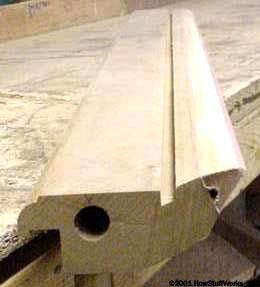
Billiards tables aren’t just flat surfaces. They are engineered systems. The edges define the limits. They are called rails. Most sit between 2.5 and 3.5 inches wide. That’s roughly 6.35 to 8.89 cm. You won’t see them as a single slab. They are built.
The top layer matches the table’s hardwood body. It looks clean. It feels familiar. Below that, there is a different story. A piece of wood or MDF hides underneath. This hidden base holds the cloth. The fabric stretches over it. Staples bite into the material to keep everything tight. Without this layer, the rail would be useless.
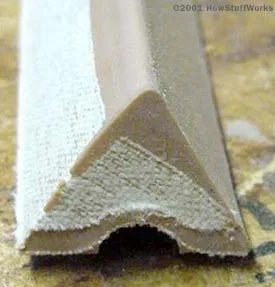
Then there is the cushion. It lives on the inner face of the rail. This is where the game changes. The cushion is a wedge of hard rubber. It points into the playing surface. It is glued securely to the wood. When a ball hits it, the rubber compresses. It stores energy. It releases it.
The cloth covering the cushion matters. It must match the felt on the slate. Consistency is key. You want the same response every time. If the fabric is loose or thick, the ball behaves unpredictably. That ruins the game.
Quality tables use a standard. It is called K-66. This term refers to the specific shape and angle of the rubber. It isn’t just a brand name. It is a geometry. A proper K-66 cushion ensures the ball bounces at the expected angle. Cheap tables might skip this. Good ones don’t.
Why does this matter to you? If you shoot straight, you might not notice. If you play caroms or bank shots, you feel it. The rail becomes an ally or an enemy. The angle dictates the path. The K-66 standard helps players predict that path.
Some tables vary. Old ones might have different profiles. Modern professional tables stick to the standard. It allows for fair play. It makes the game reproducible. You can practice knowing the rules of physics won’t change under your cue ball.
The rubber itself needs to be hard. Soft rubber absorbs too much energy. The ball slows down unnaturally. Hard rubber gives it back. It creates the snap you expect. The wedge shape directs that energy. It angles the rebound.
All good tables will have K-66 cushions. Look for that term. Check the specs. If it’s missing, you are likely looking at a beginner’s table or a custom build with non-standard geometry. That’s fine for casual games. It is not fine for serious play.
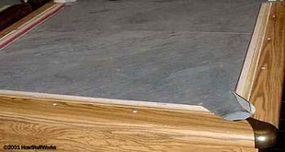
The felt covers it all. It protects the rubber. It provides friction. Too much friction slows the ball. Too little makes it slide. The right balance keeps the game flowing. The cloth on the rail must be identical to the cloth on the bed. Any difference creates a disparity in speed.
You might think the rails are just borders. They are active components. They are part of the equation. Every shot involves the rail. Even if you don’t hit it, you plan for it. You aim near it. You use its properties.
The construction is simple but precise. Wood on bottom. Rubber in middle. Cloth on top. The angles matter. The materials matter. The consistency

The Apron: Hiding the Rail’s Ugly Side
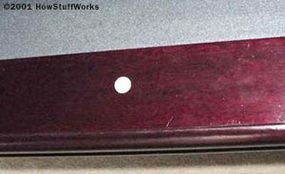
The apron sits on the exterior of the table’s rails. Woodworkers also call it the blind. It’s a strip of wood. It matches the rest of the table. Its job is simple. Hide the outside edge of the rail. You need to secure it firmly. If it’s loose, the whole thing looks cheap.
The apron isn’t just decorative. It’s structural cover-up.
This piece does more than look nice. It protects the rail’s edge from dings and bumps. It also helps keep the table square. A wobbly apron means a wobbly table. Don’t skimp on glue here. Use clamps. Let it dry completely.
Why It Matters
Table structure relies on the apron being solid. If the rail is exposed, moisture can warp the wood. The apron acts as a shield. It also adds rigidity to the frame. Think of it as the table’s armor.
Installation Tips
- Match the grain. If the table has oak, use oak. Same for maple or pine.
- Glue and clamp. Don’t just nail it. Wood moves. Glue holds better.
- Check for square. Before the glue sets, make sure the table isn’t twisting.
A poorly attached apron will show. Gaps. Warping. It’s embarrassing. Make it tight. Make it clean. The result? A table that looks like it costs more than it does.
Common Mistakes
- Using the wrong wood type.
- Not clamping long enough.
- Skipping sanding before installation.
These errors ruin the finish. They also weaken the joint. Take your time. The apron is the final touch before the stain goes on. Get it right.

The Surface Truth About Billiard Cloths
You might hear people call it felt, but that name is a total misnomer. It’s not actually felt. Real felt is a non-woven material made from compressed and matted fibers. Try using that for a pool game. You’d be chasing balls through a fuzzy mess. It simply does not offer the smooth surface needed for accurate shots.
The billiard table cloth is something else entirely. It is a tightly woven fabric. Wool makes up the bulk of the material. That natural fiber provides the right amount of friction and speed. But wool alone wears out too fast. Manufacturers blend in synthetic fibers like nylon. This addition boosts durability. The result is a surface that holds up to decades of heavy use.
Why does this matter? Because consistency is everything. The weave ensures every roll of the cue ball behaves predictably. If you’ve ever played on a worn-out table, you know the difference. Some spots are fast. Others drag. A proper cloth eliminates that variable. It turns the table into a precise instrument.
Most high-end tables stick to this wool-synthetic blend. You won’t find pure wool on a serious game table. It’s too fragile. And you definitely won’t find real felt anywhere near the playing surface. That term just stuck from old-timey parlance. It’s a habit we can’t break. But technically, it’s wrong.
So next time you walk into a pool hall, look down. That green (or blue, or red) surface? It’s a tightly woven synthetic-wool hybrid. Not matted fibers. Not fuzzy fabric. Just tight, durable weave. And it’s the only reason your break actually goes where you intend.

The Real Work Begins After the Glue Dries
You’ve got the wood. You’ve cut the angles. You’ve clamped it down and waited for the glue to cure. Now you’re left with a lump of timber that looks like a science project gone wrong. The actual “making” of the table is easy. Anybody with a drill and a nervous system can do that. The hard part is making it useful.
Choosing the Right Wood Matters More Than You Think
If you picked up a cheap pine board because it was on sale, you’re in trouble. Pine dents. It scratches. It absorbs coffee like a sponge. That’s why using hardwood for a table top is the difference between a piece of furniture and a piece of trash.
Oak? Good. Maple? Tough. Walnut? Pretty but soft. The species you choose dictates how long the table survives your Tuesday night dinner disasters. Don’t skip this step.
Finishing Is Where the Magic Happens
Raw wood looks like raw wood. It’s thirsty. It’s ugly. You need a finish.
- Polyurethane – Cheap. Durable. Plastic-y feel.
- Oil (Tung or Linseed) – Looks natural. Requires maintenance. You’ll be re-oiling it in six months.
- Varnish – Hard shell. Good for high traffic.
Pick one. Stick with it. Don’t mix them unless you want a sticky mess that peels off in sheets.
The Shape of the Table Changes Everything
A round table pushes people together. It’s aggressive. You’re close to strangers. You can’t hide. A square table? You can sit in a corner and ignore everyone. Rectangular? Classic. Safe.
The shape you choose isn’t just aesthetic. It’s social engineering.
Where Do You Put It?
Most people buy a table first. Then they look for a room. That’s backward.
Measure your space. Twice. Then buy the table. If you put a 7-foot dining table in a 10×10 room, you’ll be elbowing people every time you stand up to get the salt. Table placement in small spaces requires clearance. Give yourself at least 36 inches for chairs to slide out.
The Myth of the “Perfect” Table
There is no perfect table. There is only the table that fits your life.
If you have kids? Round. No sharp corners to break heads.
If you host parties? Rectangular. Fits more people.
If you eat alone? Drop-leaf. Fold it up.
Stop trying to build the heirloom. Just build something that holds up your plates.