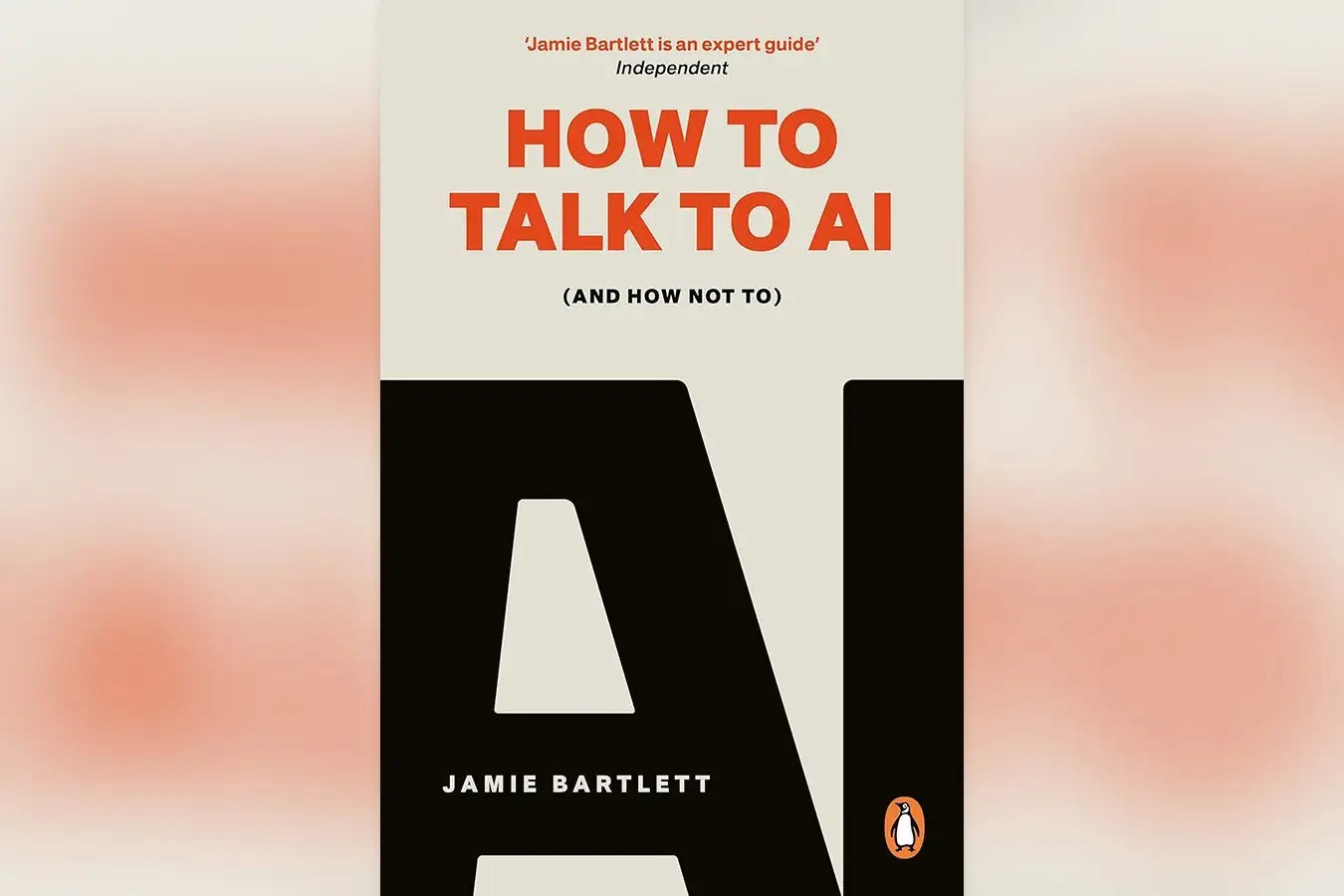
In an era where artificial intelligence is becoming increasingly integrated into daily life, a new guide suggests that our greatest challenge isn’t the technology itself, but how we interact with it. In his book, How to Talk to AI, Jamie Bartlett argues that while chatbots are more popular than ever, the general public remains largely untrained in how to use them effectively—or safely.
The Skill Gap in the AI Era
Despite the rapid adoption of tools like ChatGPT, there is a significant gap between using an AI and truly mastering it. Most users approach chatbots without a fundamental understanding of how these models function, which leads to two primary risks:
- Information Misinformation: Without proper prompting skills, users are more likely to fall into “rabbit holes” of inaccurate or hallucinated data provided by the AI.
- Emotional Dependency: The conversational nature of AI can create a false sense of intimacy, potentially leading to unhealthy psychological attachments.
More Than Just Technical Prompting
Bartlett’s central thesis is that “prompt engineering”—the art of crafting the right instructions—is about much more than just technical proficiency. It is, at its core, an exercise in self-awareness.
To use AI effectively, one must understand:
1. The Mechanics: How the underlying technology processes information.
2. Personal Bias: How the specific way we phrase questions can inadvertently steer the AI toward certain answers, reflecting our own preconceived notions.
3. Output Verification: The ability to critically evaluate the quality and accuracy of the response received.
The Role of Healthy Skepticism
The rise of AI doesn’t necessitate total adoption, but it does demand a heightened level of critical thinking. Whether a person uses AI daily for work or avoids it entirely, the ability to navigate an AI-powered world requires a skeptical mindset. Understanding the limitations of these tools acts as a safeguard against the manipulation and misinformation that can arise from uncritical use.
Mastering AI interaction is not just about learning a new tool; it is about understanding how our own biases and questions shape the digital intelligence we interact with.
Conclusion
As AI becomes a permanent fixture of the modern landscape, the ability to communicate with it effectively is becoming a vital literacy skill. Ultimately, success in this new era depends on combining technical competence with a healthy, skeptical approach to the information we receive.