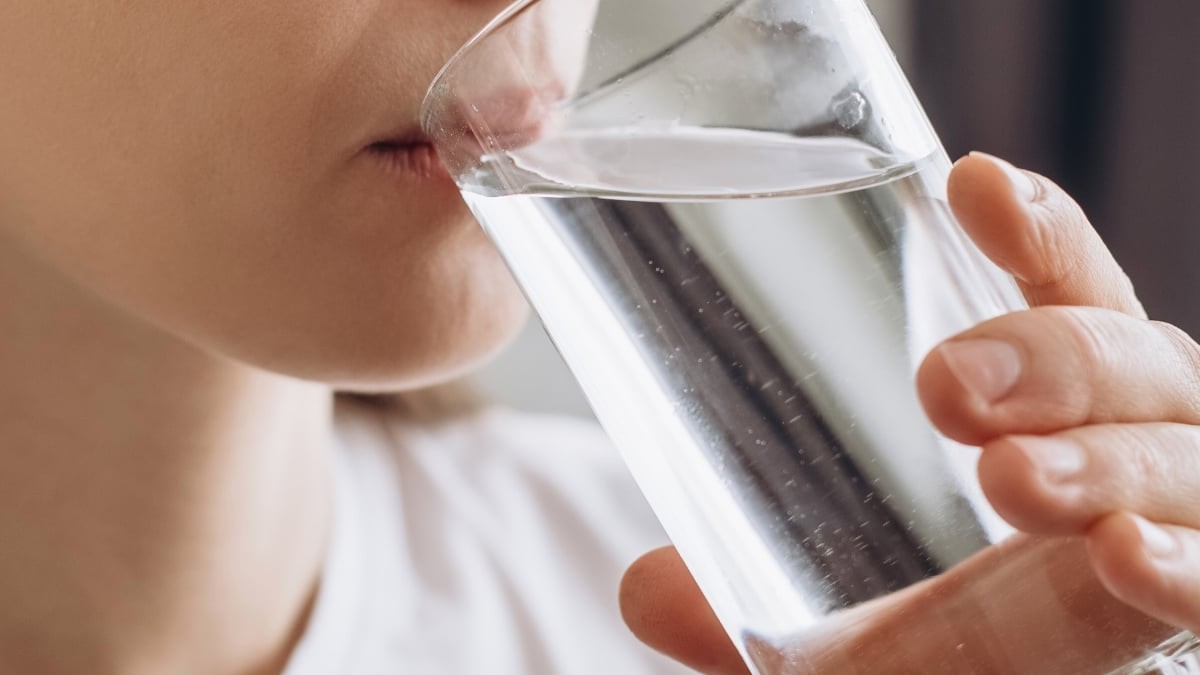
We are ingesting them. Tiny. Invisible. Plastic fragments sinking into our tissues through the food we eat and the water we drink. It sounds like a sci-fi plot, except it is our Tuesday.
There is a way out, or at least a way down. Not a complex, expensive filtration system. Just boiling.
Scientists in China tested this in 2024 and found the method startlingly simple. Take your tap water. Whether it is soft or hard (rich in minerals, which helps), you add it to a kettle. Boil it. Filter it. That’s it. The precipitates get caught, the water stays clear, and you avoid swallowing a significant chunk of those contaminants.
The researchers, led by biomedical engineer Zimin Yu from Guangzjou Medical University, were clear about the stakes. They wrote that nano-and-microplastics escaping from centralized treatment systems pose rising global health risks.
Tap water nano/microplastics… pose potential health risks to humans via
Watch the summary video here if you prefer visual data.
The results varied by water type, sure, but the high end was impressive. Up to 90% removal. Why does that work?
Limescale. That chalky buildup in your kettle isn’t just annoying residue; it’s a trap. In hard water, calcium carbonate precipitates out as the water heats up. This crust forms on the surface of the plastic fragments. The plastic gets trapped in the lime scale, and the scale is solid, not liquid.
Efficiency climbs with hardness. The paper noted that removal jumped from 34% at 80 mg/L of calcium carbonate to 90% at 300 mg/L. Even soft water, lacking that heavy mineral content, managed to snag about a quarter of the particles.
Straining it is easy. You don’t need specialized equipment. A standard stainless steel mesh tea strainer catches the lime-encrusted blobs.
We are consuming polystyrene and polyethylene and polypropylene daily from our taps. Previous studies confirm their presence. To prove the concept, the researchers spiked the water with extra nanoplastic loads. The boiling-and-filtering strategy held up, effectively reducing the particle count regardless.
Yu called it a “viable long-term strategy.”
He also noted a cultural divide. Boiling drinking water is a tradition in many parts of the world, but in others, we just turn the faucet and hope for the best. Maybe, as plastic saturates the planet, we will adopt the kettle again.
Where does all this stuff come from? Clothing fibers. Kitchen utensils. Personal care products. The list is endless. Roughly 9 billion metric tons of virgin plastic have been produced since the mid-20th century. Most of it has degraded. Not vanished. Degraded into a fine dust that now covers the earth and permeates our bloodstreams.
Wastewater plants help. A 2025 review from The University of Texas Arlington suggests they capture a lot, but far too much slips through.
We know these plastics are in us. We don’t fully know how they hurt us yet, but it isn’t healthy. Links to altered gut microbiomes and antibiotic resistance are already appearing. It is not exactly a health food supplement.
The science is out now. The method is feasible. It requires no new gadgets.
The team hopes for more large-scale studies to solidify the findings, but the basic premise is undeniable. We have the tools in our kitchen cabinets right now to filter out some of this modern plague.
Why haven’t we tried it before?