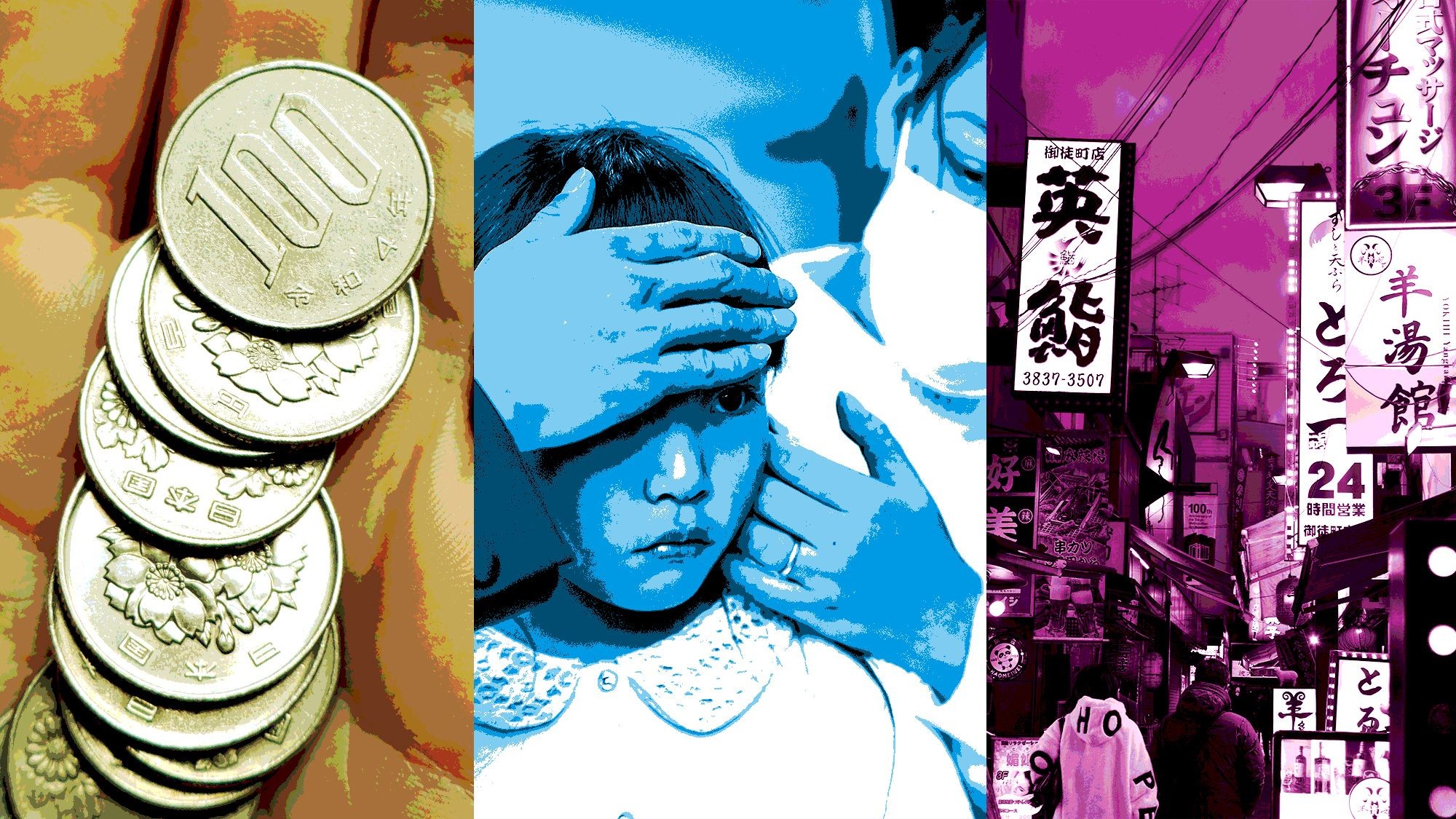
A decade ago, Japan’s pediatricians had a bad habit.
They handed out antibiotics like candy. Not just for bacterial infections. For everything. A stuffy nose? Here, take some. A viral tummy bug? Swallow two capsules.
This was wrong. Antibiotics kill bacteria. They do nothing for viruses. Using them unnecessarily is like using a sledgehammer to crack a walnut — and the walnut laughs while the sledgehammer gets duller. Every unnecessary dose pressures bacteria to evolve. To survive. To become resistant.
By 2015, compared to 35 other rich countries, Japan was last in prescribing appropriate antibiotics to kids under five. Broad-spectrum drugs? Used too much. The right choice? Only 35% of the time.
The government noticed.
The tipping experiment
What do you do when doctors overprescribe?
Fine them? Maybe.
Reward them for stopping? Better.
In 2018, Japan launched a simple idea. If a pediatrician diagnosed a child with a common viral illness — acute upper respiratory infection or gastroenteritis — and didn’t write an antibiotic prescription, they got a bonus.
800 yen.
About $5 today. $7.20 at the launch in 2018.
Sound trivial? For a pediatric clinic operating on thin margins, it adds up. These clinics often earn modestly, maybe $90k to $100k annually per doctor. An extra thousand dollars a month is welcome. A lot of clinics see thirty to forty sick toddlers a week. Claim that incentive consistently? It’s serious cash.
Dr. Yusuke Okubo runs clinical research in Tokyo. He noted that 90% of antibiotic prescriptions happen in outpatient clinics, not hospitals. This was the leak. And the government plugged it with cash.
Why bacteria are winning
Evolution is patient. It waits.
Antibiotics create pressure. Bacteria mutate. Some survive. Those survivors pass on “resistance genes.” To their offspring. To their neighbors. Resistance spreads faster than new drugs can be invented.
The stakes? High.
In 2021, drug-resistant bacteria directly killed 1.14 million people worldwide. Contributed to another 3.5 million. By 2050? Numbers could explode if we don’t act now.
Japan’s older population — roughly 30% are over 65 — is especially vulnerable. Resistant infections cause thousands of deaths there each year. But kids are at risk too. Mother-to-baby transmission during birth. Sepsis. Mycoplasma pneumoniae outbreaks in children are showing resistance signs. Dr. Takemi Murai of Nagano Children’s Hospital has seen it. “There have been outbreaks… resistant to antibiotics,” he said.
Ten years prior, national data showed 60% of Japanese patients with viral respiratory infections got antibiotics. Mostly heavy-hitters like cephalosporins.
Something had to break the cycle.
Cash works
The 2016 National Action Plan on AMR set bold targets. Cut total antibiotic use by 33%. Slash broad-spectrum use by half. By 2020? They almost hit them.
The tip program was one gear in the machine. Educational manuals? Yes. Doctor training? Yes. But the money moved needles.
Dr. Takuma Kato explained it simply: “If the clinicians provide more appropriate medical services… we pay a little bit more.”
Here is the trick: It encourages “watchful waiting.” A child gets sick. It’s likely a virus. The doctor says, “No pills yet. Let’s watch.” If the kid doesn’t improve in a few days, come back. Often, viral illnesses resolve on their own.
To qualify:
– Patient must have no weak immune system complications.
– Cannot test positive for flu or COVID.
– Clinic must be pediatric-focused.
– Must use comprehensive payment, not fee-for-service (which is the standard US model).
Does it work?
Researchers studied over 10,001 facilities. Eligible clinics claimed the bonus nearly 317,000 times in the first year. Their antibiotic use dropped by nearly 18%. Patient health? Unaffected.
Do US doctors care?
US physicians hate penalties. They love incentives.
But wait, US medicine runs on “fee for service.” The Japanese program excludes those clinics. Still, the psychological principle holds.
Dr. Yusuke Shibata runs a clinic in Tokyo. He gets the bonus every chance he gets. “Pediatric clinics have low profits,” he wrote me. An extra $5 per visit? On a $40 base rate, that’s a 10-12% bump. Huge.
In a busy month, Shibata claims the bonus ~180 times. That’s $900 extra.
Dr. Atsushi Miyahata in Setagaya was already careful with antibiotics. He hates resistance. Gives patients flyers warning about it. The bonus? Just rewarded good habits. “Very positive,” he said. He claims it 20% of the time for first visits.
Is it about ideology?
Maybe not.
“I apply for the pediatric antibiotic appropriate support premium each time… I appreciate the premium.” – Dr. Yusuke Shibata
The government didn’t scold doctors. It paid them to be smart.
“You changed your behavior, so we’ll pay something,” Dr. Okubo explained.
Constructive. Motivational. Japanese doctors’ lobbies usually fight costs. But free money? They welcomed it.
Can this cross the Pacific?
The US prescribes antibiotics widely too. Often inappropriately.
But the payment systems differ. The “comprehensive fee” barrier exists in Japan. Would US insurers bite on paying providers to withhold treatment?
Or is it about culture? In Japan, trust in authority and collective health goals run deep. In the US? We want immediate fixes. “Give me the pill!”
Yet, resistance doesn’t care about borders. It ignores politics. It only cares about selection pressure.
If Japan can convince its pediatricians to wait it out for five dollars… what would it take for America to follow suit?
Or do we need bigger tips?
Who wants to bet?