It is dark out there. Well, not the moon. Just getting dark.
The moon has entered its final sprint before the New Moon. The illuminated chunk you see is shrinking. Fast. Tonight on July 9 2026 NASA’s Daily Moon Guide puts us at Waning Crescent with only 34 percent of the surface catching any light.
Go look up.
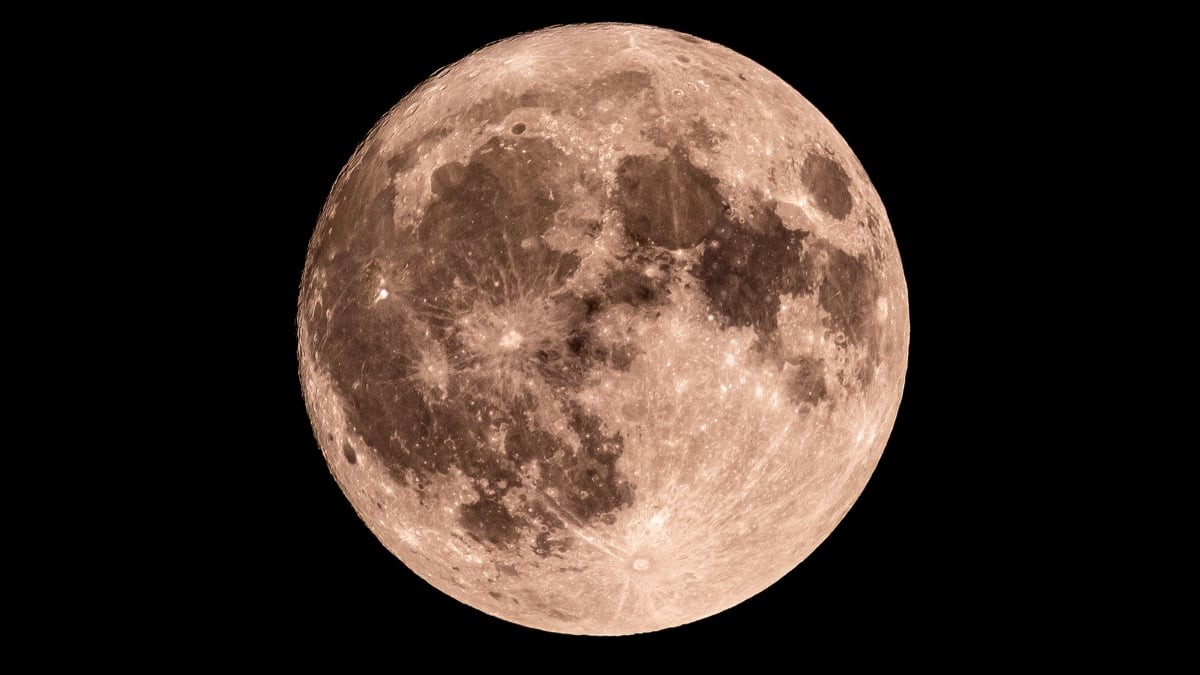
Barely anything there without binoculars. Just the Oceanus Procellarum. The Kepler Crater. If you’ve got gear though you’ll spot the Grimaldi Basin and Mare Humorum too. The Gassendi Crater shows up for the tech-heads. It is a ghost. Almost gone.
“The portion lit by the Sun changes.”
Why do we bother tracking it? Because the moon is a clock. It ticks 29.5 Earth days per orbit. Eight distinct phases in that time. The same side always faces us. Tidal lock does its work. But the angle changes. The sunlight shifts.
That shift is what makes the moon change shape. Not the rock itself. Just the shadow play.
The cycle
The pattern repeats. It has for billions of years. Here is how it breaks down for those in the Northern Hemisphere who actually care about this stuff:
- New Moon : Total blackout. The moon sits between us and the sun. The side we see faces the dark. It is invisible.
- Waxing Crescent : A sliver of light creeps in. Right side only.
- First Quarter : Half-lit. Looks like a half-moon because well… it is. Right side.
- Waxing Gibbous : More than half. Still not full. Almost there.
- Full Moon : The big reveal. The entire face is lit. You don’t need binoculars for this one.
- Waning Gibbous : The light starts dying. Right side fades first.
- Third Quarter : The other half-moon. Now the left side gets the attention.
- Waning Crescent : Just a sliver left on the left side. Then dark. Again.
The next full moon waits until July 29. Thirteen days away. The light grows back.
But for tonight.
We get the waning crescent. A faint smudge against the black. It disappears for a bit. The moon knows when to rest. We don’t always have the patience to wait.