Saturn is the solar system’s mega-star. It held the title of dwarf planet from 1930 to 2006. That is a weird detail. Most people assume it was always considered a major planet. Pluto took the spotlight during that era. But Saturn never lost its grandeur.
We are talking about a gas giant with a unique personality. Most planets orbit the sun in predictable patterns. A few stand out. Saturn is one of them. It has features that set it apart from Jupiter, Mars, and even Neptune.
We are breaking down the facts. This is not a textbook entry. It is a look at what makes this ringed world so interesting. Here is the short version of Saturn’s story.
How Was Saturn Discovered and Why Does It Matter?
You cannot point a telescope at Saturn and miss it. Ancient astronomers knew it existed. They called it by different names. The Romans named it after their god of agriculture. The Greeks had their own version. But the real story starts with better optics.
Galileo first observed Saturn in 1610. His telescope was crude. He saw strange “ears” on the side. He thought they were moons. Or perhaps handles. He never figured out they were rings. It took decades for astronomers to realize what he was looking at. Christiaan Huygens solved the puzzle in 1655. He proved the rings were flat and distinct from the planet.
Why does this matter today? Saturn is the least dense planet in our solar system. It is lighter than water. If you could find an ocean big enough, Saturn would float. This density is key. It tells us about the composition of gas giants. It explains why they are so large but so puffy.
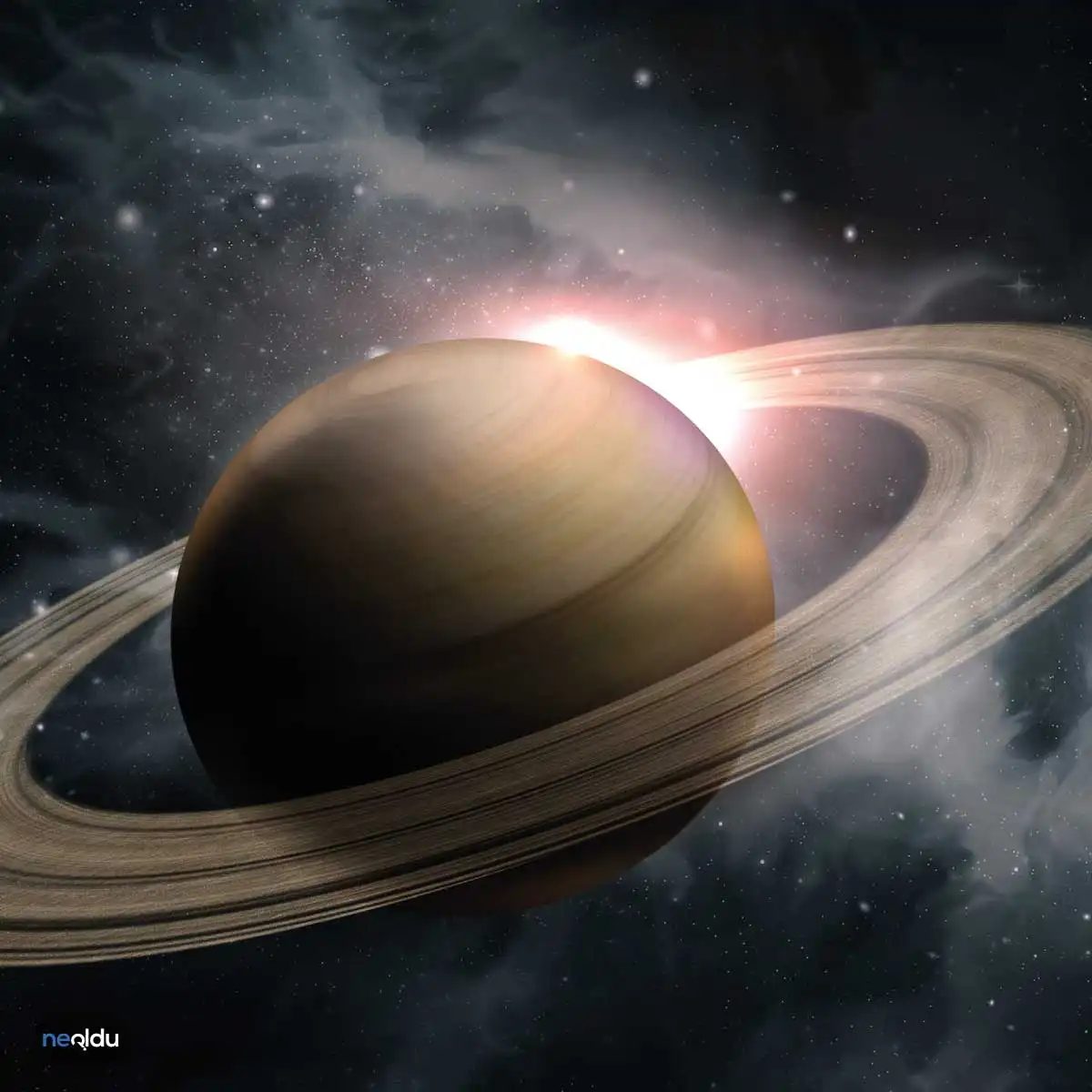
The rings themselves are the main event. They are made of ice and rock particles. Some pieces are small. Some are as big as a house. They span hundreds of thousands of kilometers. But they are surprisingly thin. Only about 10 meters thick in most places. That is incredibly thin for something so wide.
Why Is Saturn’s Structure So Unique?
Saturn is a gas giant. It has no solid surface. You would sink into it. The atmosphere is mostly hydrogen and helium. This matches the sun’s composition. It makes Saturn a relic of the early solar system. Studying it helps us understand how planets formed.
The planet rotates very fast. One day lasts only about 10.7 hours. This speed causes the planet to bulge at the equator. It is not a perfect sphere. It is squashed. This shape affects how gravity works on the surface. It also influences the weather patterns.
Storms on Saturn are massive. They are bigger than Earth. The Great White Spot appears every 30 years. It is a giant storm that wraps around the entire planet. Scientists study these storms to predict climate patterns. Not just on Saturn. But on other gas giants too.
Where Are Saturn’s Rings Located?
The rings are in the equatorial plane. They extend far from the planet. They are divided into sections. There are seven main groups. They are labeled with letters. A, B, C, D, E, F, and G. The A and B rings are the brightest. They are also the thickest
The Gas Giant Defying Gravity
Saturn isn’t just big. It’s absurdly big. Second only to Jupiter in size, this sixth planet from the Sun is a gas giant in the truest sense. No solid ground. No crust. Just swirling layers of hydrogen and helium so thick they blur into a haze of brown and yellow.
It’s easy to see with a backyard telescope. You don’t need a university-grade observatory to spot those iconic rings. But size is deceptive.
Saturn is 760 times the volume of Earth. Its mass is 95 times greater. Yet, it’s remarkably light for its size. Why? The gas is compressed, but not enough to make it dense. In fact, Saturn is the only planet in our solar system with a density lower than water. 🌊 Drop it in a bathtub the size of the solar system, and it would float.
The atmosphere is a cocktail of ammonia, phosphine, water vapor, and hydrocarbons. This chemical mix gives the planet its muted, ochre tones. It’s not blue like Neptune. It’s not white like Uranus. It’s a dirty, swirling beige.
A History of Flybys
Galileo first pointed his telescope at Saturn in 1610. He was confused by what he saw. The “ears” or moons he detected looked like handles attached to the planet. He didn’t realize they were rings. It took decades for astronomers to understand that Saturn was unique.
The name comes from Saturnus, the Roman god of agriculture and time. Jove’s (Jupiter’s) father. A fitting title for an ancient, slow-moving giant.
Despite its prominence in the sky, we haven’t been there much. Only four spacecraft have ever visited. Voyager 1 and 2. Pioneer 11. Cassini-Huygens.
Why so few? Distance. And lack of a landing site. You can’t land on Saturn. It’s all gas. The pressure increases until the hydrogen becomes metallic liquid, crushing anything that gets too deep. The missions were flybys or orbiters. Cassini stayed for nearly two decades, watching the rings change and the storms brew.
The Ring System
The rings are the main event. They’re not solid. They’re billions of pieces of ice and rock, ranging from tiny grains to house-sized chunks. They orbit in the equatorial plane.
The rings are thin. Extremely thin. If Earth were the size of a marble, the rings would be a sheet of paper around it. Yet, they span hundreds of thousands of kilometers.
They are divided into sections. A, B, C, D, E, F, G. Each with different densities and colors. The gaps between them? Not empty. They’re cleared by moons. Tiny shepherd moons keep the rings sharp-edged, their gravity pruning the edges like cosmic shears.
Weather on a Gas Giant
Saturn’s winds are fast. Near the equator, they hit 1,800 kilometers per hour. Faster than Jupiter. The weather is chaotic. Great white storms appear every 30 Earth years. Massive oval clouds that blot out the lower atmosphere.
The north pole has a hexagonal storm. 🟦 A six-sided jet stream. It’s been there since Voyager flew by. It’s still there.
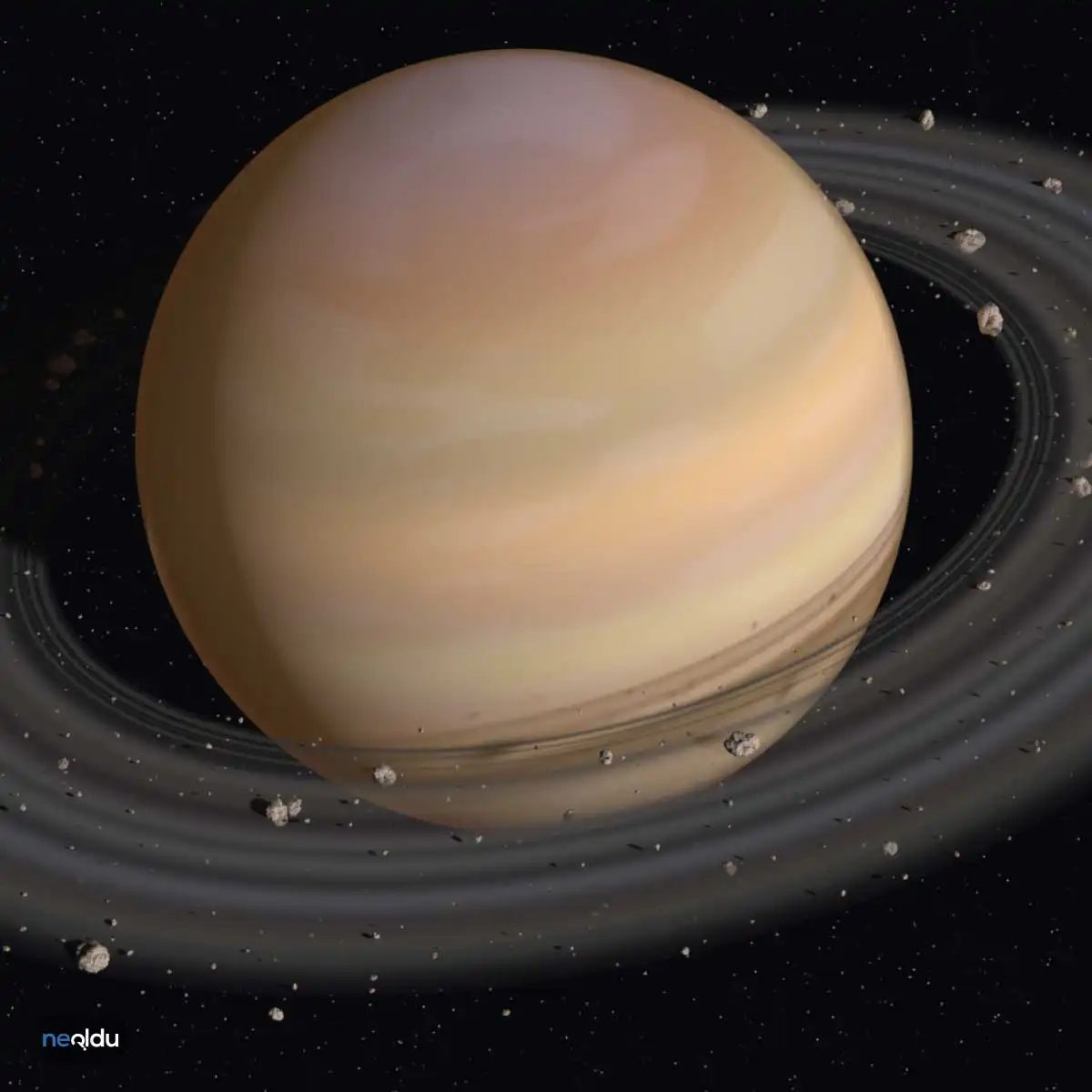
Satürn’ün en ikonik özelliği şüphesiz etrafındaki o muazzam halka sistemi. Peki, bu halkalar gerçekten ne kadar ince? Cevap şaşırtıcı: sadece on metre kalınlığında. Genişliği ise 280.000 kilometreye ulaşarak Güneş sistemi içindeki en geniş yapılar arasında yer alıyor. Bu halkalar çoğunlukla buz parçalarından oluşuyor ama içinde az miktarda kayaç da barındırıyorlar. Halkaların düzlüğü, gezegenin kendisi kadar ilginç; Satürn, gökbilimciler tarafından “gezegenlerin en düz noktası” olarak tanımlanır. Başka hiçbir gezegenin bu kadar belirgin ve karmaşık bir halka sistemi yok.
Gezegenin kendisi de bir gaz devi. Yapısının büyük kısmı helyum ve hidrojen gazlarından meydana geliyor. Bu da onu Güneş sistemi içindeki ikinci büyük gezegen yapıyor. Konumuna gelince; Güneş’e olan uzaklığına göre altıncı sırada yer alıyor. Bu mesafe, yörünge süresini 29 yıl olarak belirliyor. Yani bir Satürn yılı, Dünya’daki 29 yıla tekabül ediyor. Ancak kendi ekseni etrafındaki dönüşü çok daha hızlı. 10 saat 32 dakikada bir tam tur atıyor. Sonuç olarak, Satürn’de günler Dünya’ya kıyasla çok kısa, yıllar ise çok uzun sürüyor.
Hava koşulları da oldukça sert. Gezegen, Güneş sistemi içindeki en güçlü manyetik alanlara sahip yapılardan birine sahip. Rüzgarlara gelince; Satürn’deki fırtınalar, Güneş sistemine göre ikinci en hızlı rüzgarlara sahip olmasını sağlıyor. Bu atmosferik hareketlilik, gezegenin dış katmanlarını sürekli karıştırıyor.
Satürn’ün Uydu Sayısı ve Titan’ın Önemi
Satürn’ün uyduları da birer dünya üzerinde. Toplamda 82 adet uyduya sahip olduğu hesaplanıyor. Bu sayı sürekli güncelleniyor çünkü teleskop teknolojisi ilerledikçe daha küçük uydular keşfediliyor. Ancak bu uyduların en büyük ve en önemli olanı Titan.
Titan, Güneş sistemi içindeki ikinci en büyük Ay konumunda. İlginç bir ayrıntı olarak, Titan Güneş sistemi içindeki tek yoğun atmosferi olan uydudur. Bu özelliği nedeniyle, Dünya’dan teleskopla izlenebilen tek uydusu olarak öne çıkıyor. Titan’ın varlığı, astrobiyologlar için büyük bir merak kaynağı çünkü yüzeyinde metan gölleri bulunuyor.
Satürn’ün kendisi de hızlı dönmesinden dolayı basık bir görünüme sahip. Ekvatoral yarıçapı 60.268 kilometre civarında. Ancak kutuplardan biraz daha düzleşmiş durumda. Bu şekil bozukluğu, gezegenin kendi etrafındaki
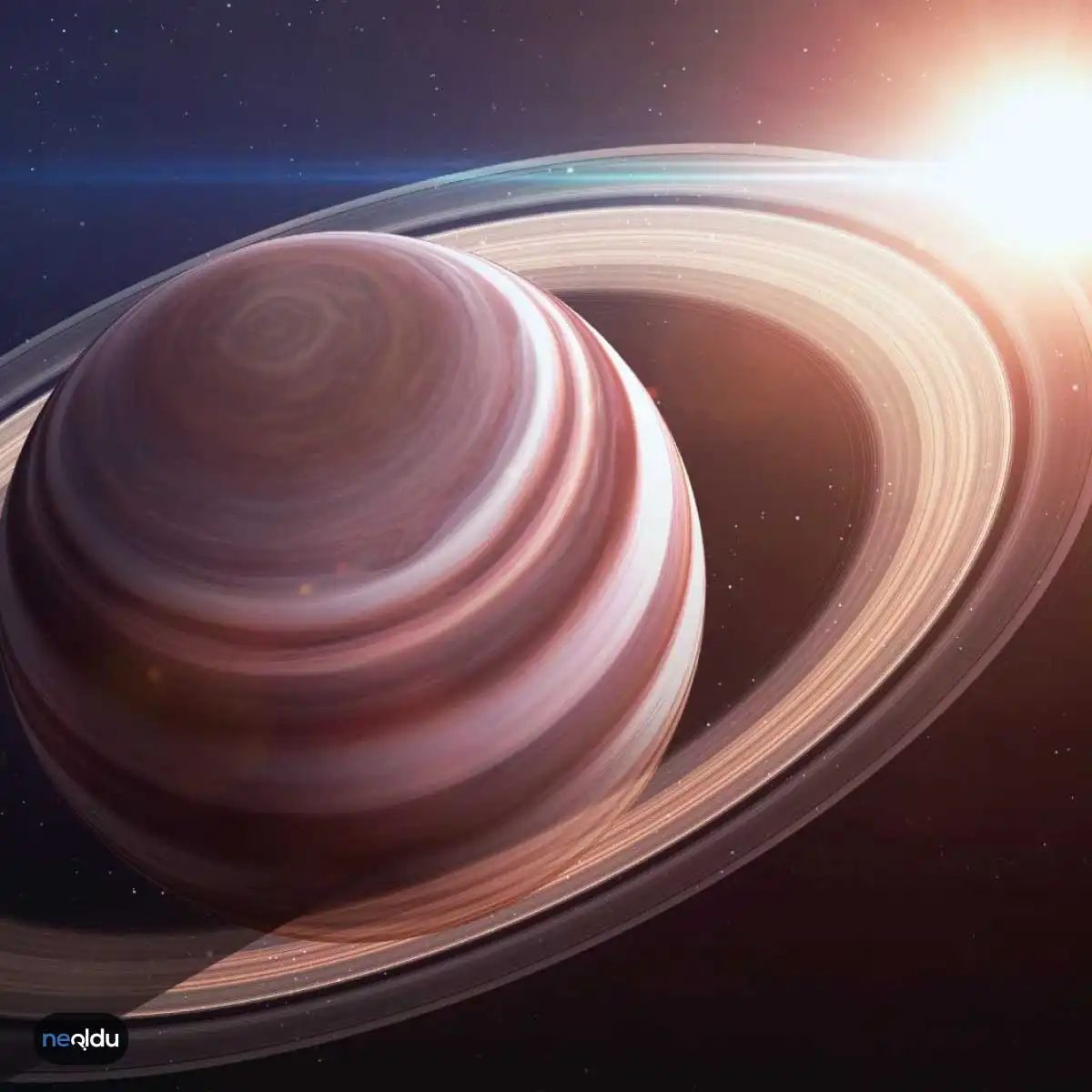
Satürn gökyüzünde her zamanki gibi parlıyor. Halkalarıyla o gizemli, neredeyse sihirli havasını koruyor. İnsanlar hâlâ soruyor. Ne renk? Cevabı basit değil. Bu gezegen aslında bir gaz devidir. Katı bir yüzeyi yok. Yere basamazsınız. İçinde kara parçası barındırmaz.
Atmosferin kimyası bu gizemi çözer. Helyum ve hidrojen çoğunluğu oluşturur. Ama renk işin püf noktasıdır. Fosfin, su buharı, hidrokarbonlar ve amonyak karışımı atmosferi renklendirir. Bu bileşenler Satürn’e o karakteristik kahverengi ve sarımsı tonyu verir. Bilim insanları hâlâ çalışıyor. Her yeni veriyle tablo değişiyor.
Kaç uydusu var? Sayılar ve statüler
Toplamda 82 adet uyduya sahip olduğu biliniyor. Ancak bu sayı statü açısından karmaşık. 53 tanesi onaylanmış. Adları kesin. 29 tanesi ise bekleme durumunda. Onaylanmayı ve isimlendirilmeyi bekliyorlar. Bu dinamik liste her geçen gün güncelleniyor olabilir.
Titan en büyükleri arasında. Güneş sistemi içindeki ikinci büyük ay konumunda. Huygens uzay aracı tarafından incelenen bu dev, Dünya’dan teleskopla kolayca görülebilir. Basit bir araçla bile parlak bir nokta olarak takip edilebilir.
Yaşam barındırma potansiyeli olan ay: Enceladus ve Titan
Titan ve Enceladus özel ilgi görüyor. Enceladus’un iç okyanusu olduğu tahmin ediliyor. Su var. Sıvı su, yaşam için temel gerekliliklerden biri. Titan da yaşam için uygun görülüyor. Atmosferi kalın. Kimyası ilginç. Her ikisi de araştırma merkezinde.
Uzmanlar bu listeyi sürekli genişletiyor. En çok araştırılanlar şunlar:
– Titan
– Tethys
– Enceladus
– Dione
– Mimas
– Iapetus
– Rhea
– Hyperion
– Phoebe
– Epimetheus
Bu isimler sadece birer liste değil. Her biri Satürn’ün hikayesinin bir parçası. Tethys’in çatlakları. Mimas’ın çarpma krateri. Iapetus’un iki yüzü. Hepsi farklı. Hepsi ilgi çekici.
“Satürn sadece halkalarıyla değil, ay sistemleriyle de bir laboratuvar niteliğinde.”
Bilim insanları neden bu kadar takıntılı? Çünkü her ay, gezegenin geçmişini saklıyor. Çarpışmalar. Gravitasyonel etkiler. Termal geçmiş. Hepsi burada kodlu. Enceladus’un buz püskürtmeleri bile bize suyun evrensel rolü hakkında ipucu veriyor.
Neden
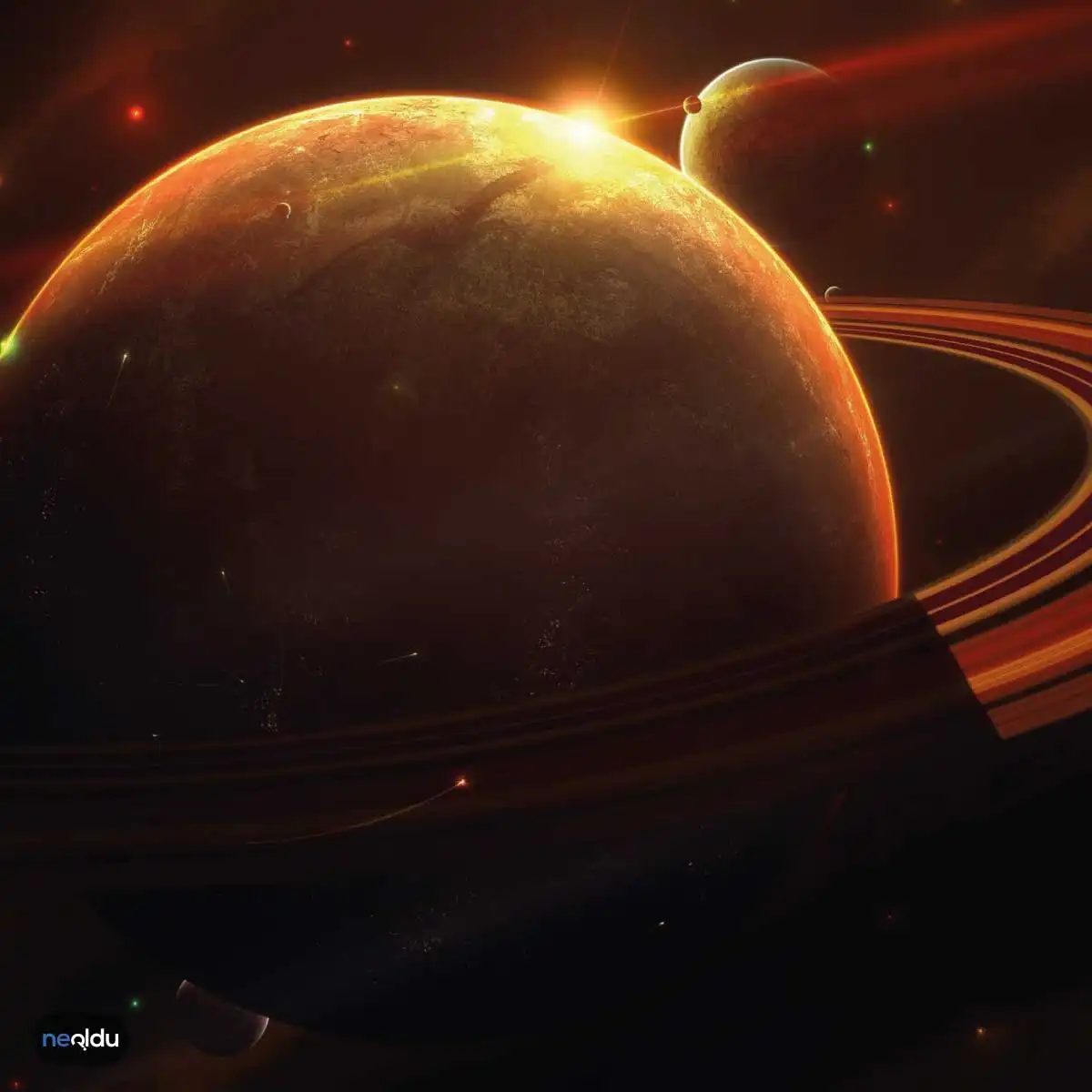
It earns the nickname “Jewel of the Solar System” for good reason. The rings are stunning. The sheer scale is intimidating. But if you look closer at Saturn, the sixth planet from the Sun, the reality is messier than the postcard image suggests. It is the farthest planet visible to the naked eye. You don’t need a telescope to spot it. You just need a clear night and a bit of luck.
Yet, it remains the second-largest planet after Jupiter. The composition isn’t wildly different from its neighbor. It is mostly hydrogen and helium. There is a trace of methane, but that is where the similarities end. The way this planet moves and shapes itself tells a different story.
The Shape of Gas Giants
People assume planets are spheres. They aren’t. Not really. Saturn is the flattest object in the entire Solar System. Why? Speed.
The planet spins incredibly fast. Combined with its gaseous makeup, this centrifugal force bulges the middle and squashes the poles. It looks like a squashed orange. The distance from the center to the equator is 60,300 km. From the center to the poles? Only 54,000 km. That difference is massive. It is not subtle. It is a physical deformation caused by rotation.
Time and Motion on the Ringed Planet
If you could stand on a hypothetical surface (you can’t, it’s gas), time would feel different. A single day lasts just 10 hours and 32 minutes. Short. Sharp. But the journey around the Sun is another matter entirely.
Because it is so far out, the orbit is long. It takes 29.4 Earth years to complete one circuit. That is a long time to stare into the void.
“Saturn rotates from west to east, just like Earth.”
This directionality matches our home planet. It moves in sync with the general flow of the Solar System’s angular momentum. But don’t mistake this normalcy for simplicity. The structure below the clouds is complex.
The Architecture of Illusion
The rings are thin. Incredibly thin. They are not solid discs. They are made of countless small particles. Ice and rock. The visibility depends on the angle. When viewed edge-on, they almost disappear.
There are seven main ring systems. They are labeled A through G, roughly from outside to inside. But “main” is the key word. The gaps between them are vast. Encke Gap. Cassini Division. These are not just lines; they are empty spaces millions of kilometers wide. The planet’s moons act as shepherds, keeping these structures in check. Without that gravitational discipline, the rings would spread out or crash inward.
Is It Worth Looking Up?
You might ask why this matters. We can’t live there. The pressure crushes you. The cold freezes everything. It is not a destination for tourism. But understanding Saturn helps us understand formation. It is a snapshot of what happens when a gas giant stops growing and settles into its final shape. The flattening. The ring dynamics. The slow, year-long days.
It is a reminder that size does not equal stability. The most beautiful objects in the sky are often the
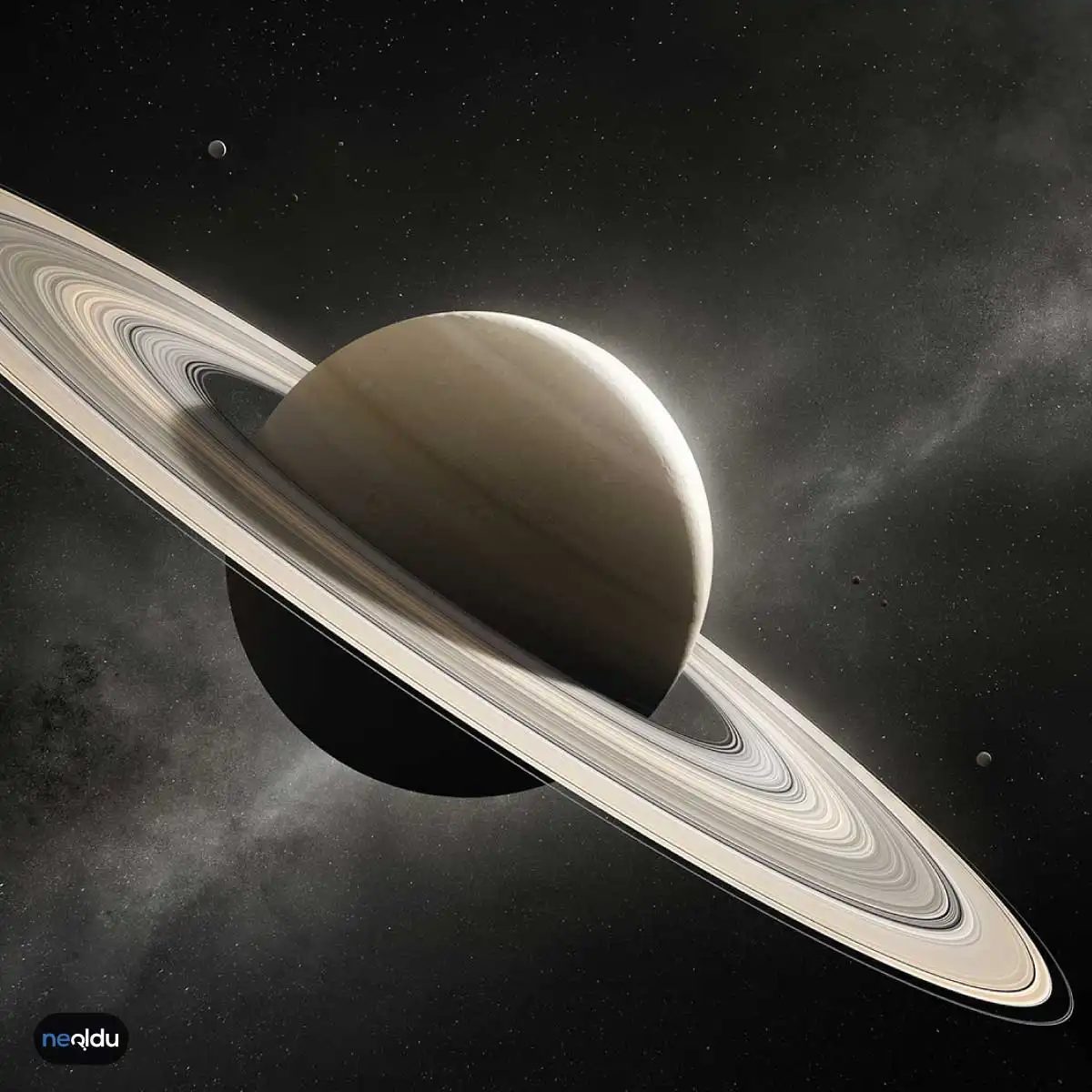
Satürn’ü Dünya ile yan yana koyduğunuzda zaman algınız sarsılıyor. Günler burada çok daha kısa. Yıllar ise inanılmaz uzun sürüyor. Bu gezegen sadece bir renk veya bir halka değil. Bir zaman makinesi gibi çalışıyor.
Peki neden bu kadar az insan bunu görebildi?
Cevap basit ama acımasız: uzaklık. Satürn’e gönderilen araç sayısı sadece dört. Dört. O kadar. Ve bunların hiçbiri yüzeyine inemedi. Neden? Çünkü katı bir yüzey yok. Gaz ve sıvının dansı var. Botlar batmadan önce erir.
“Satürn’ün manyetik alanı, Dünya’nınkine göre 578 kat daha güçlüdür.”
Bu manyetik alan, gezegenin kalbinde devasa bir dinamo dönerken oluşur. Dışarıdan bakınca sessiz. İçeride ise enerji fırtınası. Rüzgarlar saatte 1800 km hızla esiyor. Dünya’daki kasırgalar bu hızın yanında hantal kalır. Nefesinizi tutun. Bu hızda koşmak imkansızdır.
Neden Satürn En Parlak Gezegen?
Güneş sisteminin en parlak gezegeni olması tesadüf değil. Buz parçacıkları ve donmuş su kristalleri üzerine düşen ışığı hemen yansıtır. Aynalar gibi. Bu yüzden gökyüzünde öyle belirgin.
Tarihin tozlu sayfalarına baktığınızda bu parıltıyı ilk kez kim gördü? Asurlular. Onlar en eski yazılı kayıtlarında Satürn’den bahsetti. Adını da Ninib Yıldızı koydular. Sonra Roma dönemi geldi. Farsça kökenli bir isimle güncellendi. Satürn. Zamanın tanrısı. Hızlı geçen günler, yavaş geçen yıllar… İronik bir isimleme.
Titan: Sıradan Bir Ay Değil
Satürn’ün uydularına baktığınızda çoğu kayalık topaklar. Ama Titan farklı. Tek büyük ay değil. Önemli bir atmosfere sahip olan tek ay o. Atmosferin derinliği 370 mil. Derin. Çok derin.
Boyutuna gelince. Jüpiter’in uydusu Ganymede’den sonra güneş sistemindeki ikinci en büyük ay. Ama asıl şaşırtıcı olan: Merkür’den daha büyük. Evet, Mars’ın yakınındaki o küçük kayalık gezegenden.
Titan’ın atmosferi ne kadar yoğun? O kadar ki, yüzeyde metan gölleri olabilir. Ya da en azından buharlı bir metan döngüsü. Bu, yaşam için gerekli kimyasal öncüllerin var olabileceği bir ortam.
Mevsimler ve İç Isı: Güneş’in Gölgeleri
Satürn kendi ısısını yaratır. Bu ne anlama
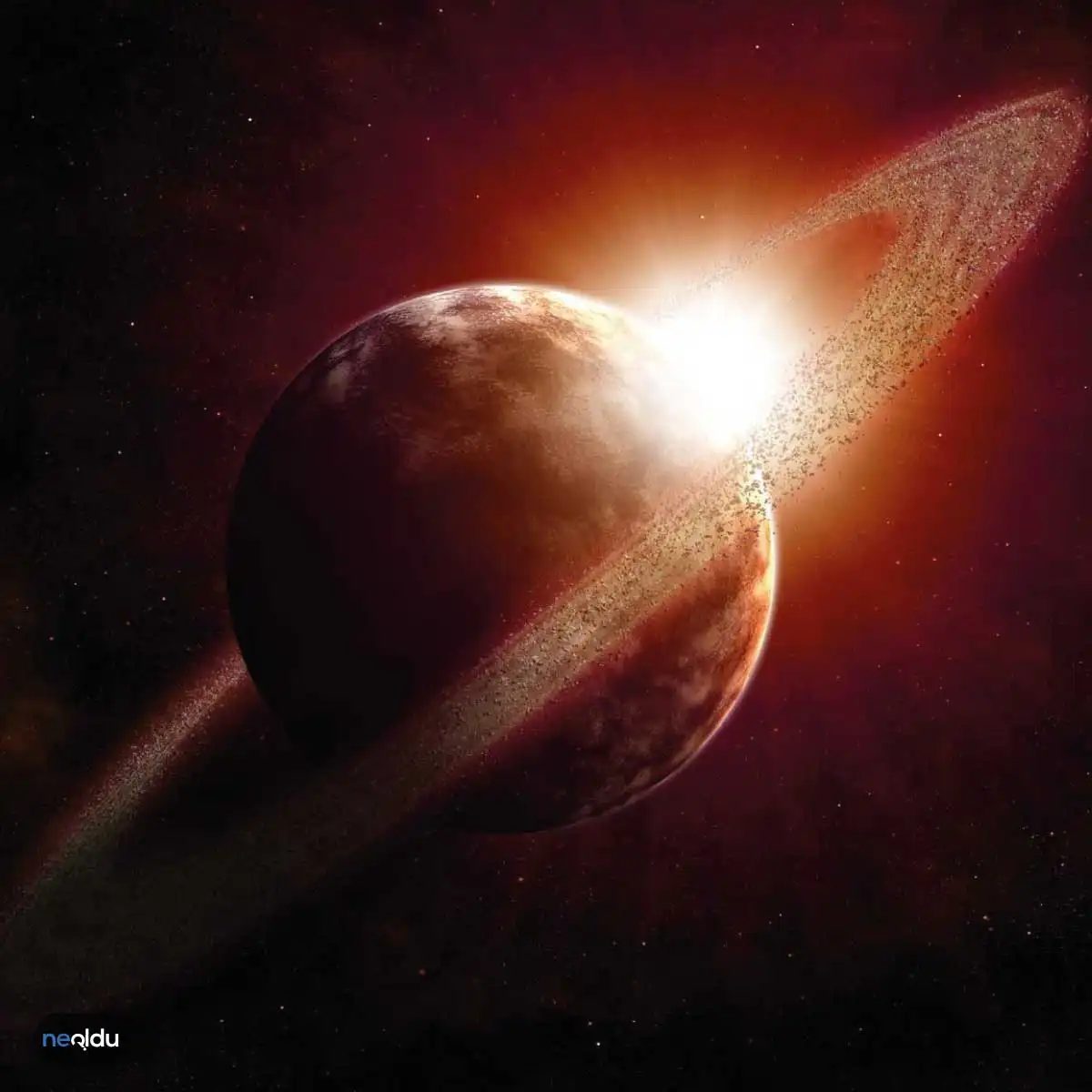
Satürn’ün Sıradışı Fiziksel Özellikleri
Satürn’ün atmosferinde bir insan hayatta kalamaz. Ortalama sıcaklık -178 santigrat dereceye düşüyor. Bu, soğuk bir kış günü bile değil. Bu bir buzul çağı.
Basınç ise akıl almaz. Dünya’daki değerin tam 100 katı. Dünyadaki okyanusların derinliklerine bile inecek olsan, belki bu basınca dayanabilirsin. Satürn’ün derinliklerinde ise durum daha vahim.
Çekirdek o kadar sıcak ki. En az Güneş kadar. İçeride neler olduğu konusunda teoriler var. Ama bir şey kesin. Bu gezegen dışarıdan bakıldığında sakin. İçinde ise karanlık ve sıcak bir çalkantı var.
Hız ve Yoğunluk: Yüzen Bir Gezegen
Satürn’ün yörünge hızı saniyede 30 kilometre. Dünya’ya kıyasla neredeyse üç kat daha hızlı. Dünyanın hızı saniyede 9.64 kilometre. Satürn güneş etrafında daha büyük bir yörüngede dönüyor. Ve daha hızlı.
Ama hızın ötesinde bir şey var. Yoğunluk. Satürn güneş sistemindeki en az yoğun gezegen. Bilim kurgu gibi geliyor mu? Gerçek.
Eğer devasa bir su havuzu bulabilseydik. Kütleçekimi buna izin verirdi. Satürn o havuzda rahatça yüzebilirdi. Suda kalır mı? Evet. Çünkü ortalama yoğunluğu sudan düşük.
Işıldayan Halkalar ve Toz Bulutları
Satürn’ü teleskopla bakıldığında hemen fark edersin. Halkaları. Dünya’dan rahatlıkla görülebilmektedir. Bu halkalar sadece süs değil. Onlar bir mezarlık.
Asteroidler. Kuyruklu yıldızlar. Ay parçaları. Hepsi büyük ve güçlü yerçekimi tarafından parçalanmış. Parçacıklar toz kadar küçük. Ya da dağlar kadar büyük.
Bu dağınıklık aralıklı yedi ana halka oluşturuyor. Gezegenler arasında en belirgin halkalardır. Renkleri kahverengi. Sarımsı tonda. Atmosferdeki amonyak kristalleri bu rengi veriyor olabilir.
Hızlı Yıllar ve Kaotik Uydular
Satürn güneşten 1.4 milyar kilometre uzakta. Çok uzak. Işık bile oraya varmak için saatler alıyor.
Bir Satürn yılı ne kadar sürer? 29 Dünya yılı. 29 yıl. Dünyada 29 yıl olsa hayatın büyük bir bölümü geçmiştir. Satürn’de ise gün daha kısa. Güneş etrafındaki dönüşü Dünya’ya göre daha hızlı değil. Yılı uzun. Ama günü kısa.
Uydulara gelirsek. Toplam 82 uydusu var. 53 tanesi onaylanmış. 29 tanesi henüz araştırma aşamasında. Belki birileri onaylanmayı bekliyor. Beliki birileri asla onaylanmayacak.
Bu sayılar statik değil. Keşifler devam ediyor.