Concentration. It’s the game that ruins childhood friendships over a deck of Bicycle cards. You think you’re good at it. Your kid? They are absolutely terrifying. Don’t be surprised if the youngest player at the table dismantles your ego in minutes. It’s not just luck. It’s visual and spatial recall weaponized. Here is exactly how to set up, play, and win this classic.
The Setup and Basics
You need a standard 52-card deck. No jokers. Just the classics. You also need a large surface area. Tables work best. Floors are acceptable if you’re desperate.
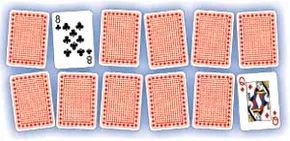
Deal the entire deck out. Facedown. It doesn’t matter if you make neat rows and columns. A haphazard pile works just as well. The chaos is part of the fun.
Number of players: Two or more.
The object: Simple. Gather the most cards by matching them in pairs. If you have the highest count when the deck is cleared, you take the win.
How to Play a Turn
A turn is short. Brutal. Fast.
- Turn over one card.
- Turn over a second card.
Everyone sees them. This is public knowledge. If the ranks match—two Kings, two 7s, whatever—you remove them from the layout. Keep them. You get to go again. The pressure mounts. The deck shrinks.
If the ranks don’t match? Your turn is over. Immediately.
Flip those cards back facedown. This is the hard part. You have to remember where you just saw them. You have to hold that image in your head while your opponent is looking for their own pair. Note the cards. Try not to forget.
Scoring and Winning
The game doesn’t end until every card is matched and removed. Then you count.
High score wins.
For a proper challenge, play three games. Count the totals after each round. The player with the most cards across three games takes the crown. It’s not enough to win one round. You have to sustain the focus.
Tips for Victory
You get the hang of it quickly. The mechanics are stupidly simple. The difficulty lies in the memory.
If you are stuck. Unsure which card to turn next? Go with your gut. Trust your instincts. You will be right more often than you think. Your brain is picking up on patterns you aren’t consciously tracking. Don’t overthink it. Just turn the card.
Moving Concentration Variation
Want to make it harder? You can add a twist. It’s called Moving Concentration. And it is a real memory workout.
Follow the same deal and play rules. But here is the change.
When you turn over two cards that don’t match, you may return them to new spots in the layout.
This is strategic chaos. Use it. In the early game, when the board is cluttered, moving a card makes it nearly impossible for your opponent to remember its new location. It breaks their trace.
Watch your opponent. See if they start showing a pattern in where they place cards they want to save for later. If you can track that, you can break their play. Disrupt their rhythm.
Note: When you are down to the final six cards, you lose the ability to move them. Only two cards may be turned at that point. The tension spikes.
Why Kids Beat Adults
It seems counterintuitive. Adults have better vocabulary