


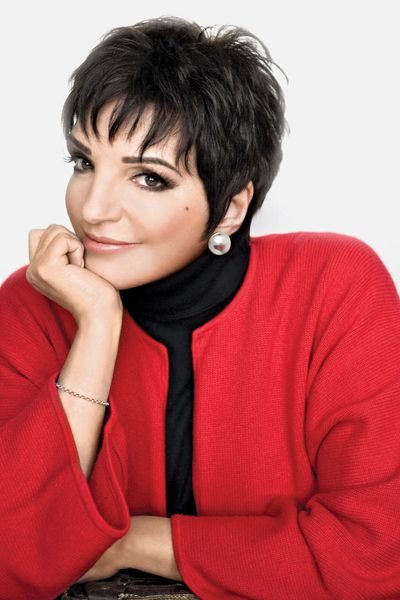
Liza Minnelli wasn’t born into the spotlight. She was born right in the middle of it. March 12, 1946, in Hollywood, California. Her parents? Film director Vincente Minnelli and legendary entertainer Judy Garland. It sounds like a setup for a fairy tale, but it was actually a high-wire act waiting to happen.
Most people know her for Cabaret. The 1972 Bob Fosse film. That razor-sharp role as Sally Bowles defined a generation of musical cinema. But before the spotlight hit her face, it hit her ice skates.
She wanted to be a skater. Not an actress. Not a singer. A skater. Then everything changed in 1963.
The Off-Broadway Break
Minnelli won a supporting role in the Off-Broadway revival of Best Foot Forward. The original musical dated back to 1941. But Minnelli’s performance? It cut through the noise.
TV producers took notice. Soon she was popping up on The Ed Sullivan Show and The Tonight Show. The wider public finally saw her. Not just as Judy Garland’s daughter. As a performer.
Then came 1965. She was 19.
Flora, the Red Menace and the Tony Record
She starred as the title character in Flora, the Red Menace. This was big news. It marked the first musical by the iconic songwriting duo of John Kander and Fred Ebb.
The show didn’t last. It ran for only 87 performances. A flop on paper.
But Minnelli’s performance? It won her a Tony Award for Best Actress in a Musical. She became the youngest winner of that specific award. That record stood into the 21st century. No one under 19 beat it for a long time.
The Kander and Ebb Connection
Her collaboration with the songwriters didn’t start with the musical. It began in 1964. She was preparing to make her first recording. Kander and Ebb stepped in.
They became her creative anchor. For the next 40 years, they supplied all her best-known arrangements. Their material became her special sauce. Without that partnership, the Minnelli legend looks different. Maybe smaller.
“Her association with Kander and Ebb had begun in 1964, when she was preparing to make her first recording, and the duo would supply Minnelli with all of her best-known arrangements and special material for the next 40 years.”
That’s the core of it. Two elements. A young woman who wanted to skate. And a pair of writers who gave her a voice. The rest is history. Or rather, it’s the opening chapter of a story that kept getting louder.
The Golden Age and the Box Office Slump
By 1972, Liza Minnelli wasn’t just famous. She was a cultural force. The timing was impeccable. Just two months after her acclaimed concert series Flora ended, she launched her first solo tour. The crowd response was massive. She was comfortable in the spotlight, something she inherited directly from her mother, Judy Garland.
She initially resisted Hollywood’s pull. Acting in movies wasn’t her first love. But eventually, she took a small part as Albert Finney’s secretary in Charlie Bubbles (1968). It was a stepping stone. Then came The Sterile Cuckoo (1969). That performance earned her first Academy Award nomination for Best Actress. She followed it up with Tell Me That You Love Me, Junie Moon (1970). But none of it prepared critics or audiences for what came next.
Cabaret and Cultural Dominance
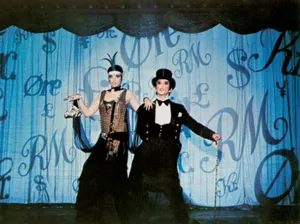
The musical Cabaret (1972) changed everything. It was based on John Van Druten’s play I Am a Camera, which itself drew from Christopher Isherwood’s 1939 story collection Goodbye to Berlin. The music and lyrics by John Kander and Fred Ebb were sharp, cynical, and brilliant.
Minnelli played Sally Bowles. She was divinely decadent.
Her portrayal was so electric it created a sensation. For the first time ever, a performer appeared on the covers of both Time and Newsweek in the same week. That level of saturation is rare. It signaled her arrival as a top-tier star.
The awards season was historic. In 1973, she won the Academy Award for Best Actress for Cabaret. She also took home an Emmy for her special Liza with a “Z”. She was unstoppable.
Hollywood’s Heavyweights and Heavy Costs
At this peak, Minnelli was one of only two bankable female stars in Hollywood. The other? Barbra Streisand. That’s a heavy weight to carry.
She returned to live performance, winning a Tony for her engagement at the Winter Garden Theatre. But when she went back to film, the momentum stalled. The projects didn’t match the brilliance of Cabaret.
Lucky Lady (1975) had a huge budget. It cut deeply into profits. A Matter of Time (1976) was the last film directed by her father, Vincente Minnelli. Studio tampering ruined it. Then there was New York, New York (1977). Martin Scorsese’s homage to 1940s big band music was brilliant. It lost money at the box office. But it gave her two trademark songs: “Theme from New York, New York ” and “But the World Goes ’Round.”
Her subsequent films were mostly forgettable. Then, in 1981, she found a hit. As Dudley Moore’s true love in the blockbuster comedy Arthur, she scored a major commercial success. It was a welcome change of pace.
Broadway Resurgence and Later Work
She didn’t stay in Hollywood long. Her return to Broadway for the 1977–78 season in the Kander-Ebb musical The Act brought her a third Tony Award.
Later, she appeared in the musical Victor/Victoria (1995–97). She reunited with Ebb for Minnelli on Minnelli (1999–2000). Then came Liza’s at the Palace… (2008–09). The show won the Tony Award for Best Special Theatrical Event.
Her recording career continued steadily. Notable albums included Results (1989), Gently (1996), and Liza’s Back (2002). The latter captured a concert performed after she recovered from various health issues. Confessions arrived in 2010.
She didn’t abandon screen acting entirely either. She had a recurring role on the TV series Arrested Development. It showed she could still adapt. Adapt. Perform. Survive. The career didn’t end with a bang. It just kept going.