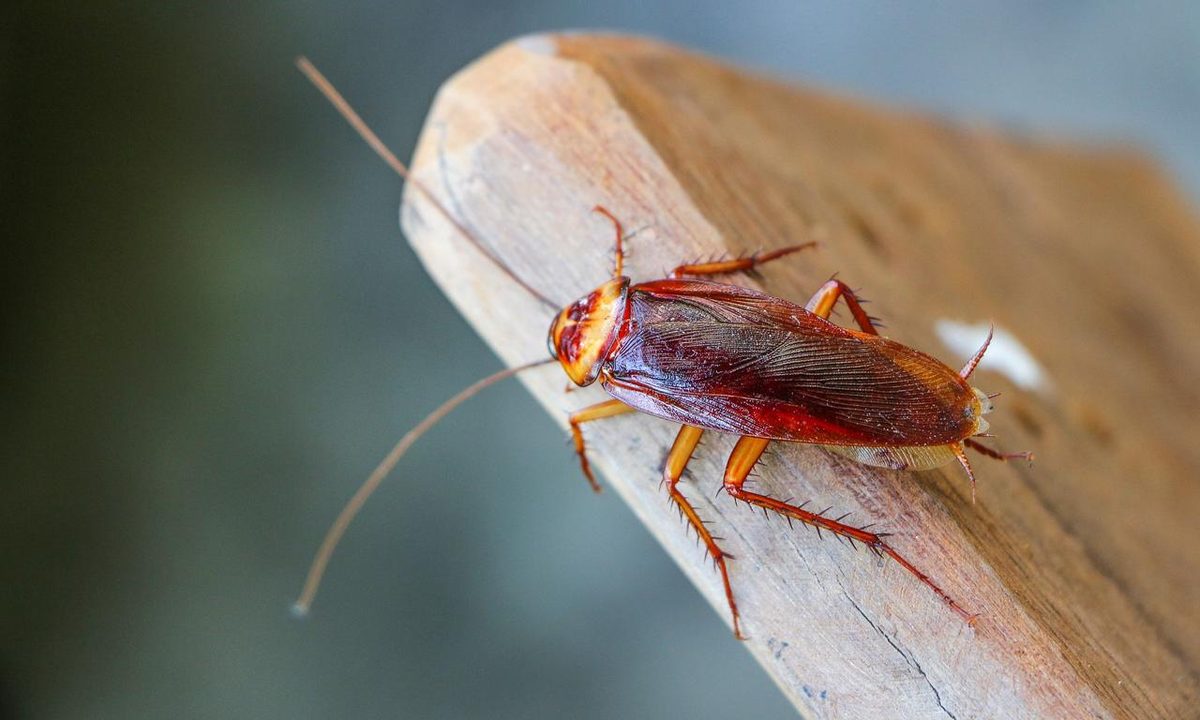
Cockroaches are a biological tanks. They have been preserved for 300–350 million years. That is longer than dinosaurs. They easily tolerate climate change and environmental disturbances. You can also submerge them in water for 40 minutes. They can live for weeks without a head. They can fast for a month. They tolerate up to 10 times the radiation dose that kills a person.
This resilience is due to rapid growth and high birth rates. But it also comes from the strange design of the creature. One that allows them to hide in plain sight. And sometimes, to fly.
The myth of the flying cockroach
Seeing one is disgusting. Seeing one fly at you? That triggers a primal panic. But the truth is more disturbing. Most cockroaches cannot fly. Not really.
There are about 4,500 species in the world. Only 30 species are harmful to humans. There are four main varieties in France: German (Blatella germanica ), Oriental (Blatella orientalis ), American (Blatella americana ) and Brown-banded (Supella longipalpa ). The German cockroach is the most common pest.
These pests have two pairs of wings. The front pair (elytra) protects the back pair. However, just because you have wings doesn’t mean you can fly. The body shape is wrong. The heavier the cockroach, the less likely it will fly away.
Unlike bees and butterflies, cockroach wings are not designed for controlled flight.
They lack the brain structures necessary for flight. They do not have specialized receptors for balance. They use their antennae to detect smells, vibrations and moisture. This sensory input will help them navigate walls. It does not help them steer mid-air.
When startled, they might launch themselves. Adults with intact wings can glide short distances. Females are usually completely wingless. If you see something flying, it probably fell from a considerable height. It floats. This is awkward. It is not hunting you from the sky. It just wants to escape.
Speed Over Sky
If it doesn’t fly well, it runs away. Quickly.
Their flat, streamlined body is designed for crawling. Six legs drive them forward incredibly efficiently. They can cover 50 times their body length per second. That is nearly a meter per second. Their exoskeletons are flexible enough to fit through small cracks.
This speed makes them hard to swat. It also makes them hard to trap. They do not need to fly to invade your home. Just crawl through the gap in the pipe under the sink.
Health risks and Signs of Infestation
Flying or crawling, they carry the same diseases. Salmonella. dysentery. tuberculosis. hepatitis. Their saliva, feces and shed skins spread pathogens.
They prefer warmth and darkness. This leads them to kitchens and bathrooms. How do you know they’re there before you see them?
Look for dark streaks on the walls or floor. These are fecal trails. The droppings look like ground coffee grains. Look for shed skins. Sniff the air. A stale, nauseating odor indicates a growing nest. The smell increases with population density.
Prevention and elimination
We must starve them to Stopping an infestation. they are omnivores. They will eat almost anything. Crumbs. Grease. Dirty clothes. pet hair. plastic. paper. Plastic. Glue. dead insects.
Remove food source:
– Store food in an airtight container.
– Take out the trash regularly.
– Clean your home thoroughly.
– Follow strict hygiene.
There are also fewer places to hide. Chaos is a cockroach hotel. Place the object in the box. Avoid piling up newspapers and magazines. Seal the cracks in the wall. Fix leaks in pipes and drains. Remove dark, moist areas. This cuts off their refuge.
Natural and chemical solutions
If you are already infected, you need to take action.
Mixing baking soda and sugar can be used as a lethal bait. Buttermilk is also an option. Boric acid works. Cockroaches are sensitive to strong smells. White vinegar and essential oils such as peppermint, eucalyptus, lemon and lavender can repel them.
If the situation is serious, use cockroach gel, poison bait or insecticide. These allow for more complete pest control. If the infection is severe, consult a professional.
Prevention is easier than eradication.
The German cockroach remains the most difficult enemy to deal with. Adapt quickly. It multiplies very quickly. They can kill any adult they see. However, the eggs hidden inside the walls will hatch. This cycle continues unless broken.
Cracks in the seal. The nest is starving. Keep your home dry. The cockroaches leave. Otherwise they die. But they never stop trying to survive. They have existed for 350 million years. The kitchen counter is the latest battleground.