Germany is home to roughly 31 million companion animals living in homes and gardens. The numbers break down to 12.3 million cats and 7.4 million dogs. These are your friends. The ones who wait by the door.
Commercial animal agriculture operates on a completely different scale. Every year, approximately 750 million animals are slaughtered in Germany. That is a massive gap. Just poultry accounts for over 600 million of those deaths. Pigs make up nearly 60 million.
The contrast is stark. Pet populations are static. Livestock numbers churn through the system annually. When you ask why the ratio is so lopsided, the answer lies in function. One group is for companionship. The other is for production.
The difference between 31 million household pets and 750 million slaughtered animals highlights the distinct roles these animals play in German society.
Fish and horses also count toward the companion total. They fill out the 31 million figure alongside the cats and dogs. The commercial sector remains focused on efficiency and yield. Hens are processed in the millions. Swine follow in large batches.
Does it matter that the numbers are so different? It does. It shapes how we view animals. A pet is an individual. A livestock animal is often viewed as a unit of production. The 750 million figure represents a system designed for consumption, not connection.
The data shows a clear divide. Domesticated for love versus domesticated for meat. Germany sits at the intersection of these two cultures.
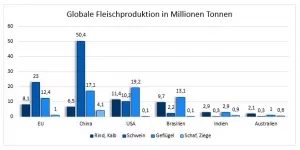
The cost gap between pet care and meat consumption
The divide is sharp. On one side, a pig is a commodity. On the other, a cat is a family member. This binary creates friction. It fuels years of debate between animal welfare groups, meat producers, and the people who eat the meat.
PETA often leads the charge. They use drastic videos and clandestine footage. The reaction is usually not enthusiasm. It is shock, or anger. Other organizations take a softer approach. They highlight the suffering of animals. They argue for the rights of every living being. The methods differ. The message stays the same.
Meanwhile, the pet industry thrives. It relies on care products, veterinary services, and additional amenities. The economics are stark. A pork chop costs two euros. Your own pet can cost hundreds of euros per month.
Why does this disparity persist?
The answer lies in perception. We eat the commodity. We love the companion. The financial commitment mirrors the emotional one.
- Meat : Functional, low-cost, utilitarian.
- Pets : Emotional, high-cost, familial.
This tension defines the modern relationship with animals. It is not simple. It is contradictory. And it is expensive.
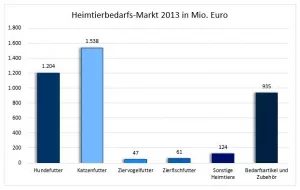
How much money does the pet industry actually spend in Germany?
The numbers get big fast. In 2013, the German home pet industry raked in roughly 3.9 billion euros.
Most of that cash went to food. Specifically, 2.9 billion euros bought kibble, cans, and treats. That is the backbone of the market. But the rest? Accessories and beauty services. Yes, dogs and cats are getting spa treatments now. Grooming salons are filling up. The trend is clear: pets are not just animals anymore. They are customers with specific needs.
What are the most common pets and can you keep them in a rented apartment?
Hats off to the classics. Dogs, cats, birds, fish, and small rodents still hold the top spots in German households.
The legal landscape for renters is tricky. There is no single, clear law that dictates everything. But here is the general rule: small animals are usually fine. You generally do not need your landlord’s explicit permission to keep a hamster or a canary. Large animals? That is a different conversation.
Choosing the right animal matters. It is not just about what is cute. It is about fit. Does your lifestyle match the creature’s needs? That is the first question to answer before you buy.
How to Build a Luxury Fish Habitat That Actually Matters
People assume fancy pets are all about the price tag. They aren’t. It is about the care you are willing to give.
Fishes are the easiest entry point into this world. They cost less than a dog. They take up less space. You do not need a giant living room. You need a tank.
But here is the problem. Most people think a small bowl is enough. That is wrong.
Fish have long-term memory. This is proven science. They do not just float around in a glass of water. They need a real environment. They need plants. They need space. They need to recognize where they are.
A “luxury” fish tank is not about gold leaf or marble. It is about species-appropriate living conditions.
Why Tank Size and Setup Define Status
When buyers choose a fish, they look at the holder first. A small, cluttered tank says “I am forgetful.” A large, well-planted tank says “I know what I am doing.”
This is where the status comes in. Not from the fish. From the effort.
You need to consider:
- Size : Not just for the fish, but for your space.
- Filtration : Clean water is not a luxury. It is a necessity.
- Plants : Real plants, not plastic. They provide oxygen and hiding spots.
- Lighting : Correct cycles for both the fish and the plants.
If you want to get this right, look for specific setup guides. There are detailed resources available that list the right plants, the right technology, and the right proportions for different fish species. These guides do not guess. They give you exact parameters.
The Hidden Cost: Fish Feel Pain
There is another factor most casual owners ignore.
Do fish feel pain? Yes. This is not a debate anymore. Research has shown that water animals possess the neural structures necessary to experience pain.
This changes how you should treat them.
If you are building a “luxury” setup, you are not just decorating. You are managing their comfort. A fish in a cramped, unstimulating tank is not just bored. It is suffering.
The term species-appropriate (artgerecht) is the key. It means the environment matches the biological needs of the animal. Not your aesthetic preference. Not your room layout. The fish.
If you are going to buy a fish, ask yourself: Do I have the time to maintain a complex ecosystem? Or am I just buying a decoration?
The answer determines whether you are a caretaker or just an owner.

Exotic Aquariums and the Cost of Living Fish
Keeping a Koi or an Arowana isn’t just about filling a tank. It is a significant financial commitment that separates the hobbyist from the collector. Koi, originally from Japan and popular since the 19th century, offer striking color patterns and a lifespan that can reach 50 years. Because of their rarity and size, some specimens sell for six figures. Even sharks have found their way into private aquariums, but only for owners with deep pockets. The price tag reflects the exclusivity of the species and the specialized infrastructure required to keep them.
Why Pet Diets Are Getting More Expensive
For cats and dogs, the spending shifts from the animal itself to the products that keep it alive. Owners increasingly purchase premium food, often treating the pet’s diet with the same care as their own. The market is saturated with options. You can find food formulated for specific ages, weight management, joint health, or retirement. Ingredients have moved away from byproducts toward human-grade sources like bison, turkey, or lamb, enriched with millet, papaya, or zucchini.
The BARF method, or biologically appropriate raw feeding, is a major driver of this trend. It mimics the natural diet of wolves, using fresh meat, bones, organs, and produce. Some owners even visit specialized butchers who cater exclusively to pet needs. While raw feeding is often perceived as more expensive, the cost ceiling is open-ended in both raw and processed markets. You can pay a premium for convenience or for high-quality fresh ingredients. The goal is balanced nutrition, not just caloric intake.
Grooming, Styling, and the Celebrity Pet Lifestyle
Basic hygiene like nail trimming and dental care is standard. But for some, it goes far beyond maintenance. Daily beauty routines now include massages, professional styling, and photo shoots. Choupette, Karl Lagerfeld’s cat, is a prime example. She eats at the family table, maintains a Twitter account, and has modeled for advertising campaigns, including an auto commercial.
Long-haired breeds require regular trimming, especially in warm months. However, the line between necessary grooming and extravagant styling is blurred. Some owners dress their pets in exclusive clothing, accessories, and headwear, carrying them in strollers or designer handbags. This lifestyle treats the pet less like an animal and more like a status symbol. The spending reflects the owner’s desire to project a certain image, where the pet’s comfort and health are secondary to their aesthetic presentation.

Where the law draws the line on animal welfare
German law has protected animals since 2002. The constitution mandates that animals must not be restricted in a way that causes pain or suffering. They need proper care, food, and housing. The legal framework is clear.
Yet, industrial farming often operates right on the edge of these rules. Farmers must stun animals before slaughter to prevent pain. They must adhere to strict floor space requirements per animal. Cage farming for laying hens has been banned in Europe since 2012.
Still, the system is under pressure.
Many animal welfare advocates argue that the current legal interpretation allows too much. New large-scale facilities are being built across Europe. The economics are brutal. Farmers earn less than nine cents per pound of broiler chicken. That margin makes it impossible to fund better living conditions for the animals.
The market skews heavily toward cheap meat. Premium meat accounts for less than 20% of sales. Organic products struggle to gain traction, hampered by past scandals and ongoing consumer mistrust.
The low price of meat hides the cost of animal welfare.
There are human health risks too. The widespread use of antibiotics in intensive farming increases the danger of disease transmission from animals to humans.
How this affects the way you view your own pets
If you own a pet, the stakes are personal. A cat, for example, needs daily contact with its kind. It requires at least two hours of outdoor access per day and good socialization with people.
It does not need styling. It does not need exclusive gifts or professional photo shoots.
Most animal behaviorists and biologists agree on this point. The focus should be on species-appropriate care, not luxury extras.
The tension between how we treat farm animals and how we treat pets will likely persist. But the legal standard for proper housing applies to all animals.
The requirements are simple. Enough space. Movement. Healthy food. No over-indulgence with unnecessary luxuries.
Whether that standard is met in a feedlot or a living room is a different question. But the baseline is the same.