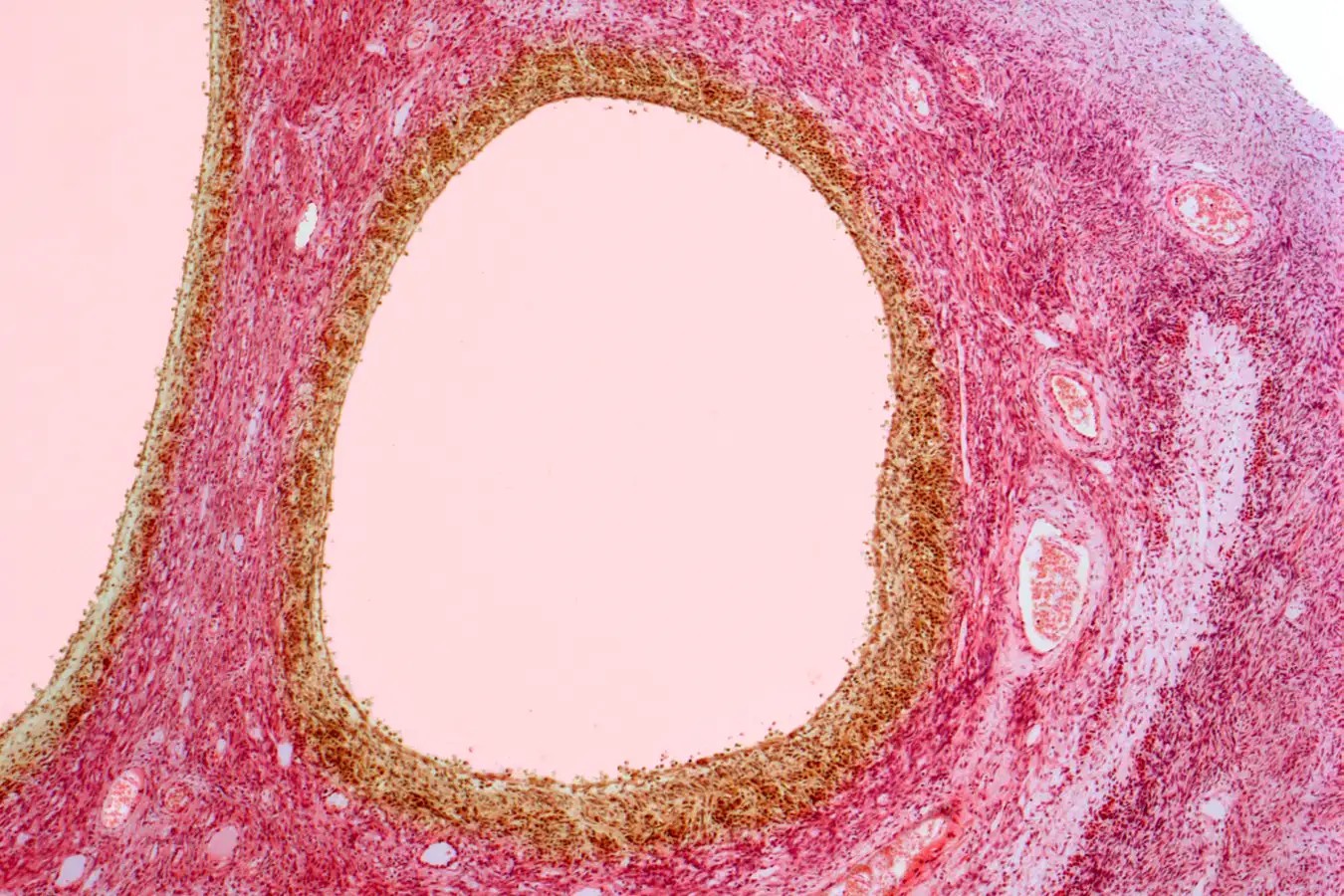
Polycystic ovary syndrome (PCOS) is officially being renamed Polyendocrine Metabolic Ovarian Syndrome (PMOS). Announced by endocrinologist Helena Teede at the European Congress of Endocrinology in Prague, this change is more than semantic; it corrects decades of medical misinformation and reframes the condition as a systemic metabolic disorder rather than a localized ovarian defect.
For millions of women, the rebranding offers immediate psychological relief and a more accurate roadmap for treatment. By moving away from the term “cyst,” which implies dangerous tumors, the new name highlights the true nature of the condition: a complex interplay of hormonal imbalances and metabolic resistance.
Debunking the “Cyst” Myth
The most persistent misconception surrounding PCOS is the image of ovaries “riddled with cysts.” This visual metaphor has caused unnecessary fear for generations of patients, including the author, who was diagnosed in her late teens and terrified that her ovaries might burst or that she would be infertile.
Medical imaging reveals that these dark spots are not cysts. They are immature eggs that have failed to mature fully or be released during ovulation. The mechanism is one of overcrowding: women with this condition often possess a higher reserve of eggs, creating a competitive environment where individual eggs struggle to develop and exit the ovary.
“I find this a much nicer way to think about my ovaries – that they are brimming with eggs, rather than riddled with cysts.”
This shift in understanding transforms the narrative from one of disease and damage to one of abundance and developmental delay. While this overcrowding leads to irregular periods and can make conception take longer, it does not equate to infertility. Research indicates that 80% of women with the condition conceive without medication or IVF, and those who do struggle often achieve their desired family size eventually.
A Whole-Body Condition, Not Just a Reproductive One
The old acronym, PCOS, focused almost exclusively on the ovaries. This narrow focus often led patients to seek help only when facing fertility issues, ignoring other critical health risks. The new name, PMOS, explicitly highlights two other major pillars of the condition:
- Polyendocrine: The condition involves multiple endocrine systems, characterized by elevated levels of androgens (male sex hormones like testosterone). This can result in acne, hirsutism (excess hair growth), and male-pattern hair loss.
- Metabolic: Insulin resistance is a core feature, driving risks for weight gain, type 2 diabetes, hypertension, and cardiovascular disease. It also links to mental health challenges, including anxiety and depression.
Recognizing these dimensions is crucial because it expands the scope of treatment. Management is no longer just about inducing ovulation; it involves comprehensive metabolic care, including dietary changes, exercise, and medication to address insulin resistance and hormonal balance.
Evolutionary Roots and Modern Mismatches
Why is this condition so prevalent, affecting approximately 1 in 8 women? Experts suggest an evolutionary perspective. Terhi Piltonen of Oulu University Hospital notes that traits associated with the condition—such as efficient energy storage (weight gain) and extended reproductive windows—may have offered survival advantages to our ancestors. In eras of scarce food and high maternal mortality, the ability to store energy and reproduce over a longer period could have been beneficial.
However, in the modern world of abundant calorie-dense foods and safer childbirth, these same traits often contribute to health complications. The “mismatch” between our ancient biology and contemporary lifestyle exacerbates the metabolic risks associated with the condition.
Potential Benefits in Later Life
While the condition presents significant challenges in younger years, recent research suggests potential benefits later in life. The higher egg reserve associated with the condition may delay perimenopause and menopause. Since later menopause is correlated with increased longevity, this aspect of the condition could offer a protective effect against age-related decline. Additionally, this extended reproductive window may facilitate pregnancies at older ages, though this comes with its own set of medical considerations.
A Long Road to Accuracy
The campaign to rename the condition was led by Helena Teede of Monash University, who spent 14 years collaborating with 56 patient and professional organizations. The goal was to create a term that was scientifically precise, clinically useful, and less stigmatizing for patients.
The transition from PCOS to PMOS represents a critical step in destigmatizing the diagnosis. By correcting the language, the medical community aims to reduce the confusion and anxiety that often accompany initial diagnoses. More importantly, it encourages a holistic approach to care, ensuring that patients receive support for their metabolic and hormonal health, not just their reproductive goals.
Conclusion
The renaming of PCOS to PMOS is a significant correction in medical terminology that aligns language with biological reality. It dismantles the fear-mongering “cyst” narrative, highlights the systemic metabolic risks, and encourages comprehensive care. For patients, this shift offers clarity, reducing stigma and fostering a better understanding of their health journey.