


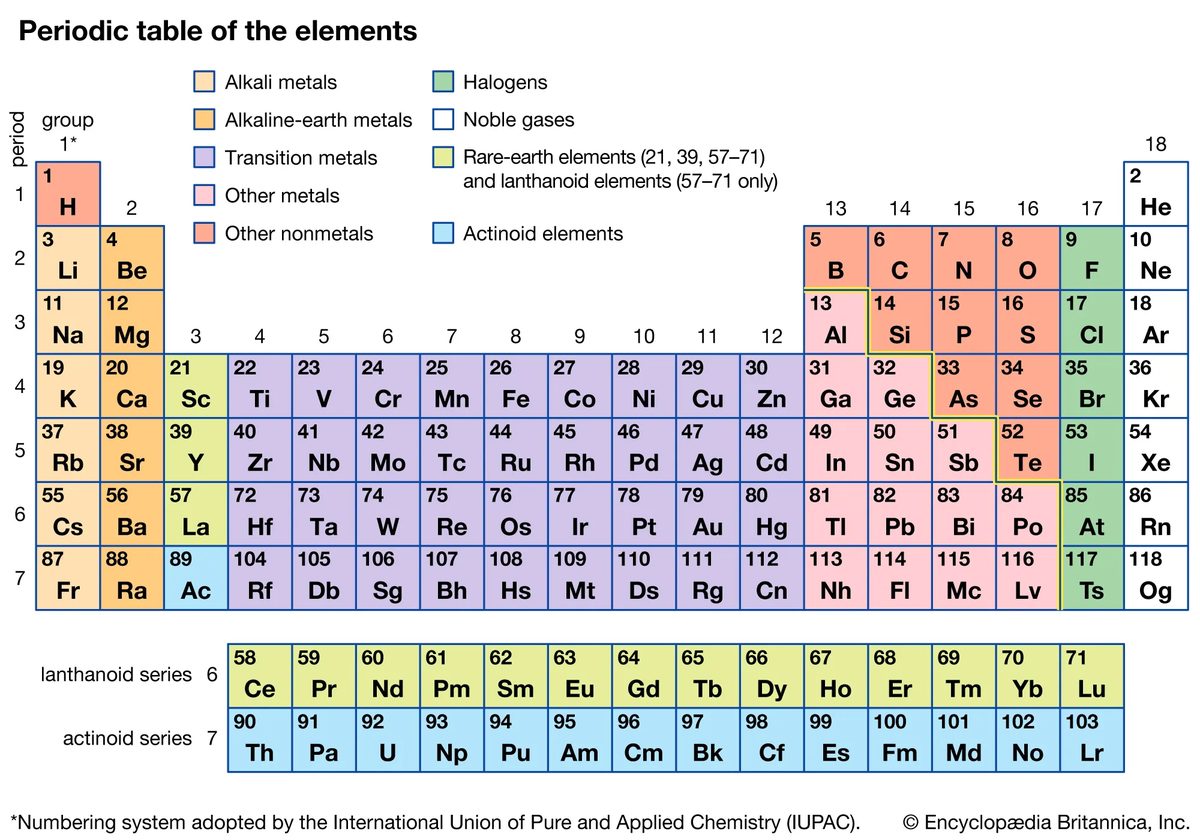
You won’t find a nugget of magnesium sitting on a beach. You won’t dig up a chunk of pure calcium in your garden either. These elements are too reactive for that. They are the alkaline earth metals, a tight-knit group of six chemical elements defined by their shared atomic structure.
The term itself is a relic from medieval alchemy. Back then, “earths” referred to substances that remained after a material was burned or heated, resisting further decomposition. These particular earths were “alkaline” because their oxides turned litmus paper blue in water. Today, we know them better as Group 2 on the periodic table.
The two-electron rule
What makes this group distinct is their outermost electron shell. Every alkaline earth metal atom holds exactly two electrons there. This configuration is unstable. Atoms want full shells. They crave that stable, inert state found in noble gases. To get it, they readily give up those two outer electrons.
This drive to shed electrons explains why they are never found free in nature. They are always bonded to other elements, usually oxygen or sulfur. You might find calcium in limestone or magnesium in dolomite, but never as pure metal. The moment they are exposed to air or water, they react. Barium and radium are particularly aggressive. Strontium and calcium follow close behind. Beryllium is the exception, somewhat more resistant due to its small atomic size and high ionization energy, but it still rarely exists in its pure form in the wild.
A reactive family
Their reactivity isn’t just a chemical footnote. It defines their utility. Magnesium burns with an intense white light, making it useful in flares and fireworks. Calcium is essential for bone health and plays a key role in cell signaling. Strontium salts give fireworks their red hue. Barium is used in medical imaging and drilling fluids. Radium, though radioactive and largely historical, once lit watch dials.
The trend down the group is clear. As you move from beryllium to radium, the atoms get larger. The outer electrons are further from the nucleus and feel less pull. This makes them easier to remove. Reactivity increases. Beryllium is relatively mild. Radium is highly reactive. This gradient affects how they are extracted, stored, and used. They must be kept in sealed containers, often under oil or in argon atmospheres, to prevent rapid oxidation.
The alchemy legacy
The name sticks because the history is embedded in the chemistry. Alchemists didn’t have electron shells. They had observation and terminology. They saw that heating certain minerals left behind a basic residue. They called it earth. They distinguished it from acidic earths. The distinction held up, even if the reasoning shifted from mysticism to quantum mechanics.
These elements are foundational. They build bones, strengthen alloys, and light up displays. They are reactive, yes. But that reactivity is their power. It’s what makes them useful. And it’s what keeps them locked away in compounds, waiting to be unlocked.