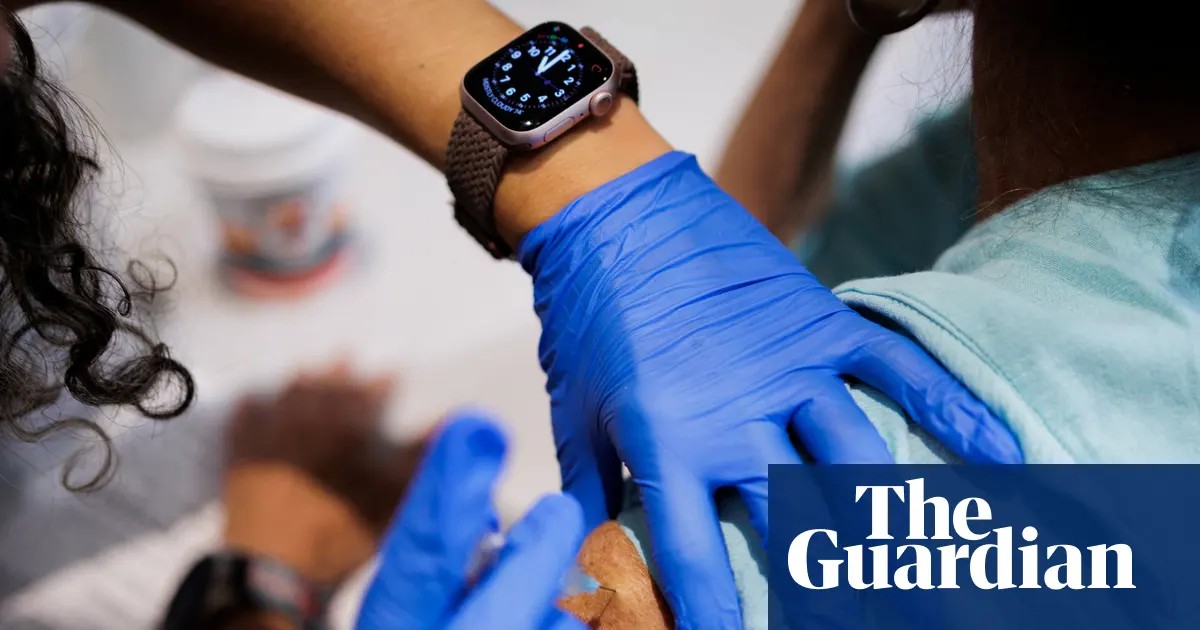
The US Department of Health and Human Services (HHS) dramatically shifted Covid vaccine recommendations for pregnant people and children in May, based on internal memos that critics say ignored a vast majority of available scientific evidence. The changes, which included removing routine recommendations for mRNA vaccines, were made despite hundreds of studies supporting their safety and efficacy.
Ideology Over Evidence?
According to documents revealed through a lawsuit filed by the American Academy of Pediatrics, officials “missed 99%” of relevant data before ending the vaccine recommendation. One memo on vaccination in pregnancy and childhood, dated May 12, contained only 12 citations, including studies authored by the memo’s own writer. This approach is “highly unusual”, according to experts who previously advised the Advisory Committee on Immunization Practices (ACIP).
International Disconnect
The US move puts it out of step with global health organizations like the World Health Organization (WHO), which continues to recommend Covid vaccination for at-risk populations. Experts note that the decision was based on “biased perspectives” rather than evidence-based citations.
Risks for Pregnant People & Infants
Ending the recommendation poses risks to pregnant women and their infants. Covid infection is linked to placental complications, prematurity, and stillbirth, while vaccination demonstrably lowers these risks. Babies under six months—who cannot yet be vaccinated—are particularly vulnerable. Vaccination during pregnancy helps protect them, and confusion about maternal vaccines may lead to skipped immunizations for infants.
Children at Risk Too
Officials also claimed “no clear evidence” that Covid vaccines outweighed risks in children under 18, while ignoring studies showing reduced long-term complications like myocarditis and hospitalization. The HHS has yet to respond to questions about the decision-making process.
The abrupt changes raise concerns about politicization of public health recommendations. If policymakers prioritize ideology over data, the consequences could be dire for both individuals and public health outcomes.