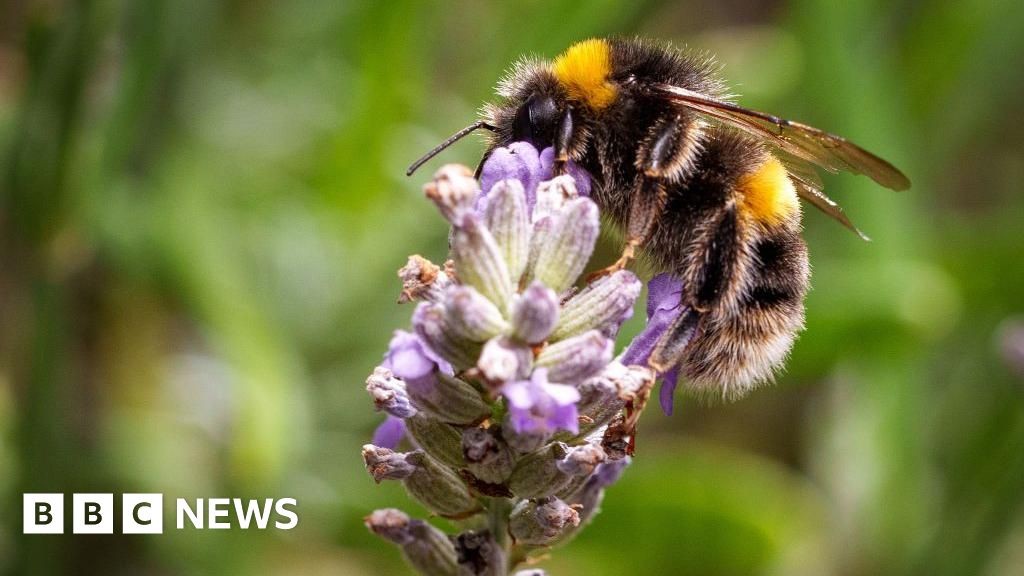
A new citizen science project is calling on drivers in South East England to help track the alarming decline of flying insects. The “Bugs Matter” survey, organized by Kent Wildlife Trust and Buglife, asks volunteers to count insect splatters on their vehicle number plates during their journeys between now and September 30th.
Why This Matters: A Crisis in the Ecosystem
This isn’t just about squashed bugs; it’s about a severe threat to the food chain. Flying insects are a critical part of the ecosystem, pollinating plants, and serving as prey for birds, small mammals, fish, and countless other wildlife species. Their disappearance has ripple effects across the natural world.
Data Reveals Staggering Losses
According to data already collected by Bugs Matter between 2021 and 2025, flying insect populations in the UK have declined by 59%. This isn’t a gradual shift; it’s a rapid and concerning drop that demands immediate attention. The survey’s expansion into France reflects the urgency of understanding this decline across borders.
How the Survey Works
The method is straightforward: after each drive, volunteers simply count and record the number of insect splats on their license plates. This simple act provides valuable data for researchers to track insect abundance and distribution.
“Extending our survey season and location means a better range of data, which will provide further insights into the plight of our insects,” notes Rosie Bleet, ecological evidence and citizen science lead at Kent Wildlife Trust.
Focus on Insect Hotspots
The survey specifically targets Kent, Surrey, and Sussex, regions known for their high insect diversity. Andrew Whitehouse, head of operations at Buglife, encourages participation from residents of these counties, emphasizing the importance of understanding insect health in these critical areas.
The Bugs Matter survey provides a unique, accessible way for the public to contribute to vital ecological research. By tracking insect populations, scientists can better understand the causes of this decline and work toward conservation efforts.
The continued decline of flying insects represents a significant ecological crisis, and citizen science initiatives like Bugs Matter are essential for monitoring the problem and informing effective conservation strategies.