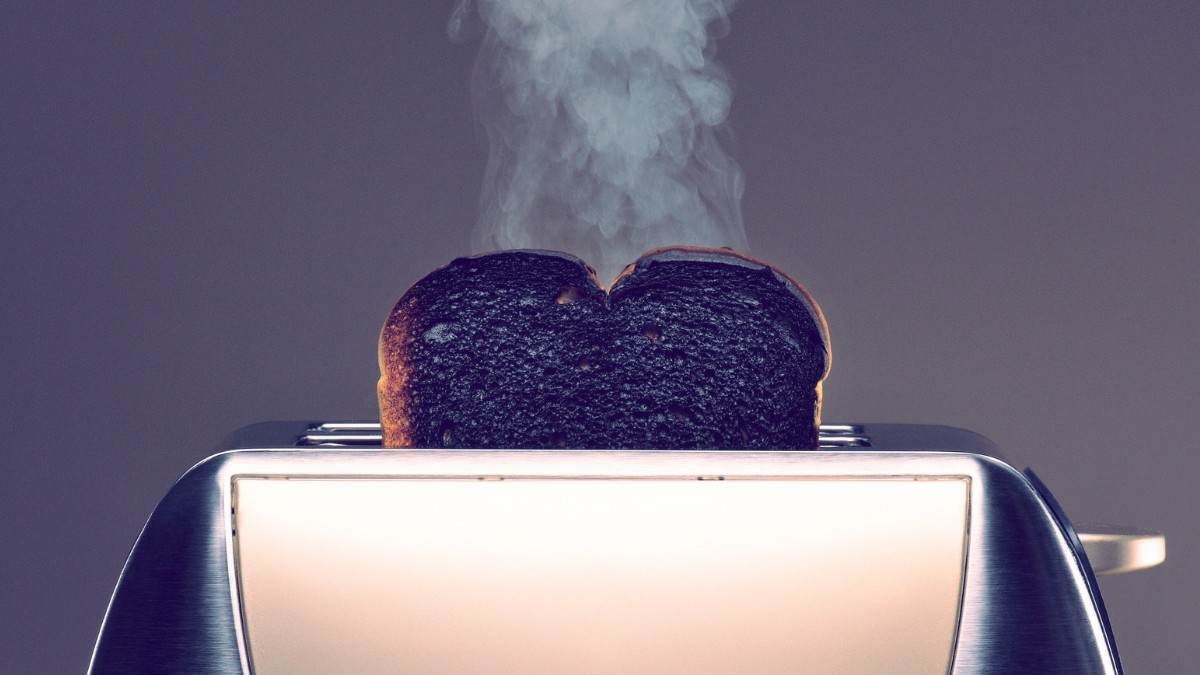
A new study from Pusan National University (PNU) in South Korea has measured shockingly high levels of ultrafine particles (UFPs) emitted by everyday appliances, raising concerns about indoor air quality. The findings suggest that even running a simple toaster can release trillions of potentially harmful particles into the air.
Appliance Emissions: A Hidden Threat
Researchers used a specialized lab chamber to measure UFP emissions from common devices like toasters, air fryers, and hair dryers. UFPs, measuring less than 100 nanometers, are small enough to bypass the body’s natural filtration systems and penetrate deep into the lungs.
The study revealed that a pop-up toaster, even without bread inside, emitted approximately 1.73 trillion UFPs per minute. This alarming number underscores how seemingly harmless household items can contribute significantly to indoor pollution.
Why This Matters: Health Risks and Vulnerable Populations
While the study didn’t directly measure health effects, previous research links UFP exposure to a range of serious conditions:
* Asthma
* Cardiovascular disease
* Hypertension
* Diabetes
* Cancer
Children are particularly at risk because of their smaller airways, which make it easier for particles to remain lodged in the lungs. The findings reinforce the growing recognition that indoor air quality is a major health concern.
“Our study emphasizes the need for emission-aware electric appliance design and age-specific indoor air quality guidelines,” says Changhyuk Kim, an environmental engineer from PNU.
Heavy Metals Add to the Problem
Beyond UFPs, the research also detected heavy metals – copper, iron, aluminum, silver, and titanium – in the airborne particles. These metals likely come from appliance coils and motors, increasing the risk of cytotoxicity and inflammation in the human body.
Design and Regulation: A Path Forward
The study points to electric heating coils and brushed DC motors as major contributors to UFP emissions. Brushless hair dryers, for example, emitted 10 to 100 times fewer particles than those with traditional motors.
The researchers advocate for improved appliance design and stricter regulations to reduce UFP emissions. With more time spent indoors due to climate change and global health concerns, controlling indoor air pollution is becoming increasingly critical.
Manufacturers can implement design changes to lower particle output, but regulatory measures are likely necessary to ensure widespread adoption of safer technologies. Ultimately, understanding the source of these pollutants is the first step toward healthier indoor environments.