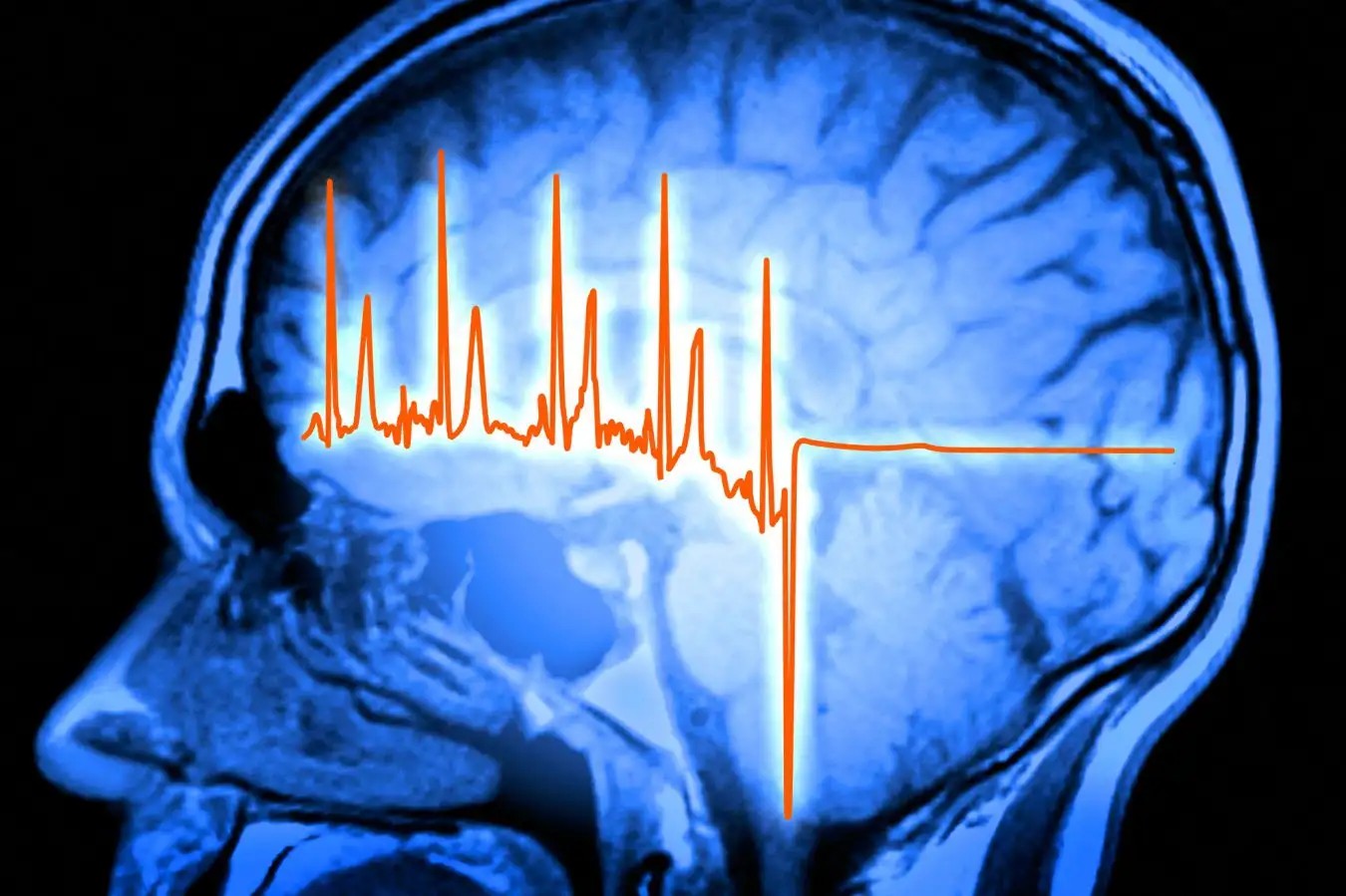
New research shows the brain actively participates in healing after a heart attack, triggering a complex interplay between the nervous and immune systems. This discovery challenges the traditional view of heart recovery as a purely localized process, revealing a previously unknown feedback loop that significantly impacts tissue repair.
The Heart-Brain Connection
For years, scientists knew the heart and brain were linked through cardiac sensory neurons—nerves that influence blood pressure and prevent fainting. However, a study led by Vineet Augustine at the University of California, San Diego, has identified a previously undiscovered cluster of sensory neurons wrapping around the heart ventricle. These neurons respond to damage by rapidly increasing in number after a heart attack, suggesting the heart actively signals the brain to initiate a healing response.
How the System Works
When a heart attack occurs, these newly activated neurons send signals to the brain’s stress-response center, putting the body into a fight-or-flight state. This triggers the immune system to deploy cells to the damaged heart tissue, forming scar tissue that repairs the muscle.
The study found that blocking these nerve signals dramatically improved recovery in mice, reducing the injured area significantly. This suggests a future therapeutic avenue, particularly in situations where immediate surgery isn’t feasible.
Implications for Treatment
The findings also shed light on why current treatments like beta blockers work. These drugs may function by targeting part of the nervous and immune system feedback loop activated during a heart attack. However, researchers caution that this pathway is likely part of a much larger, still poorly understood process.
Factors like genetics, sex, diabetes, and hypertension could all influence how this response unfolds, meaning further research is needed before designing new drugs. Determining when and how this pathway is active in the broader population will be crucial for effective treatment.
The brain’s active role in heart attack recovery highlights the interconnectedness of organ systems and opens up exciting opportunities for new therapies. This study underscores that healing isn’t just about fixing the heart—it’s about coordinating a full-body response.