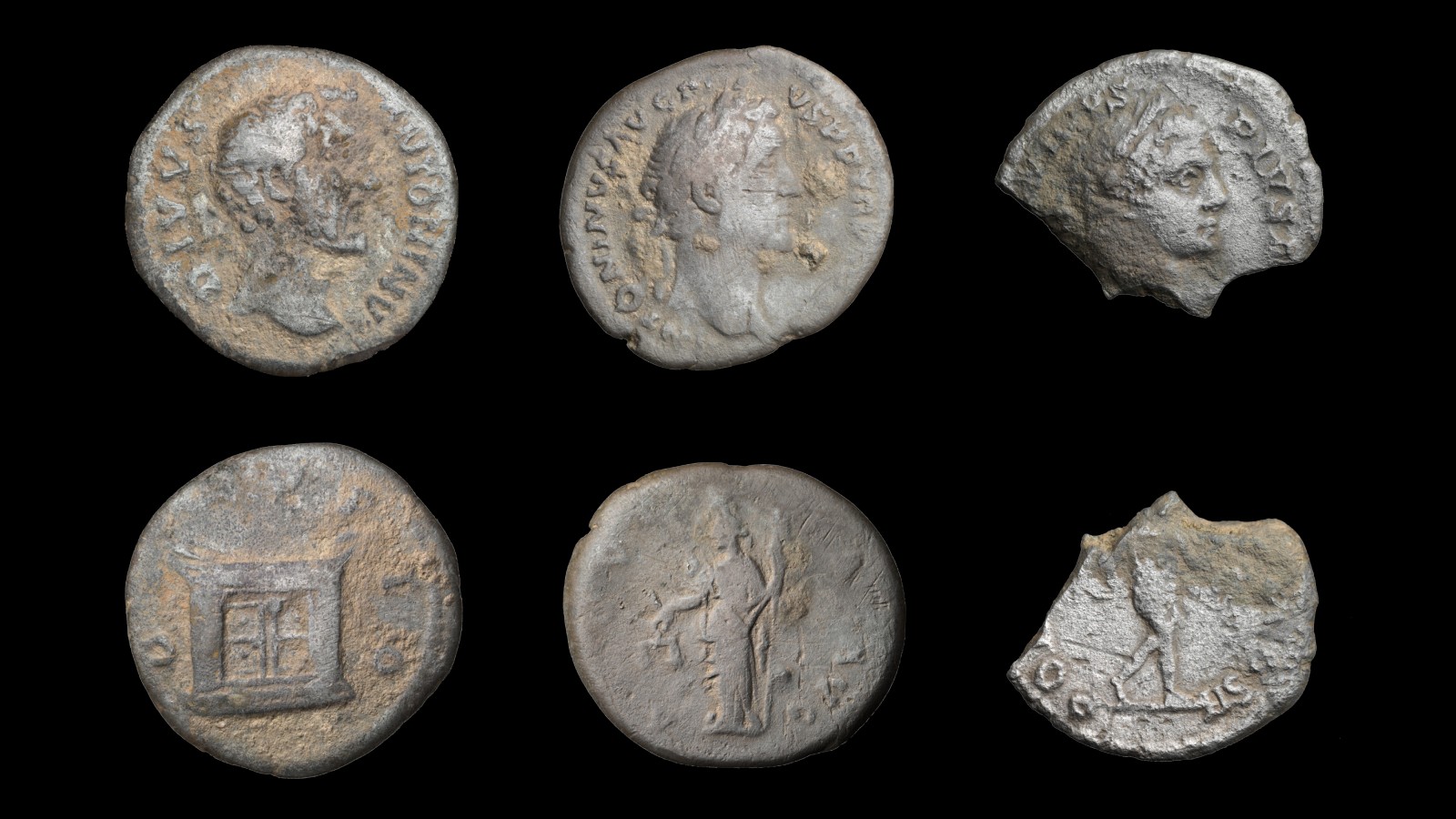
Archaeologists in Germany have uncovered four well-preserved Roman marching camps dating back 1,700 years, alongside a rich collection of artifacts including coins and remnants of military footwear. The discoveries offer new insights into the Roman Empire’s expansionist ambitions in Germania during the turbulent third century A.D.
The Context of Roman Expansion
During the 3rd century A.D., Rome repeatedly attempted to push its borders northward along the Elbe River, seeking to conquer territory now part of modern Germany. These campaigns met with fierce resistance from Germanic tribes, contributing to a period of internal crisis within the Roman Empire. The newly discovered camps are physical evidence of these military incursions, demonstrating the scale and standardization of Roman logistics.
The Significance: Roman expansion into Germania wasn’t just about territory; it was about securing resources, controlling trade routes, and projecting power against rising Germanic confederations. The failure to fully subdue the region ultimately weakened the empire over time.
Standardized Military Infrastructure
The camps themselves were not haphazard constructions but highly organized facilities. As described by archaeologists at the State Office for Heritage Management and Archaeology Saxony-Anhalt, the camps featured a standardized rectangular layout with rounded corners. A grid of roads intersected at right angles, leading to the central headquarters building (the principia ). Each gate was protected by a titulum – a defensive ditch and rampart system.
Why this matters: The uniformity of these camps highlights the Roman military’s incredible organizational capabilities. They could establish functional bases rapidly, supporting prolonged campaigns far from supply lines.
Archaeological Findings
The four camps are located near Aken, Deersheim, and Trabitz. The sites were identified through a combination of aerial surveys, satellite imagery, ground excavations, and metal detector surveys. Over 1,500 metal artifacts were recovered, including a significant number of hobnails — the iron studs hammered into the soles of Roman military boots for increased traction.
Key Artifacts:
- Coins: Dating to the late 2nd and early 3rd centuries, these coins provide a timeline for the camps’ construction. A particularly recent find, a denarius of Emperor Caracalla, suggests one camp may have been established during his 213 A.D. campaign.
- Shoe Remnants: The hobnails and fragmented leather suggest intense marching and wear on Roman legionary boots, offering a glimpse into the daily lives of soldiers on campaign.
Caracalla’s Campaign and the “Albanians”
Historical records suggest that Emperor Caracalla’s 213 A.D. campaign was directed against a Germanic group called the “Albanians” who inhabited the Elbe River region. The newly discovered camps may have been part of that offensive, providing a tangible link between written accounts and archaeological evidence.
Further Research: Ongoing investigations into these camps may reveal more about Caracalla’s military strategy, the extent of Roman logistics, and the nature of resistance from Germanic tribes.
The discovery of these well-preserved marching camps solidifies our understanding of Rome’s military ambitions in Germania and offers a unique window into the lives of soldiers and the logistical challenges of imperial expansion.