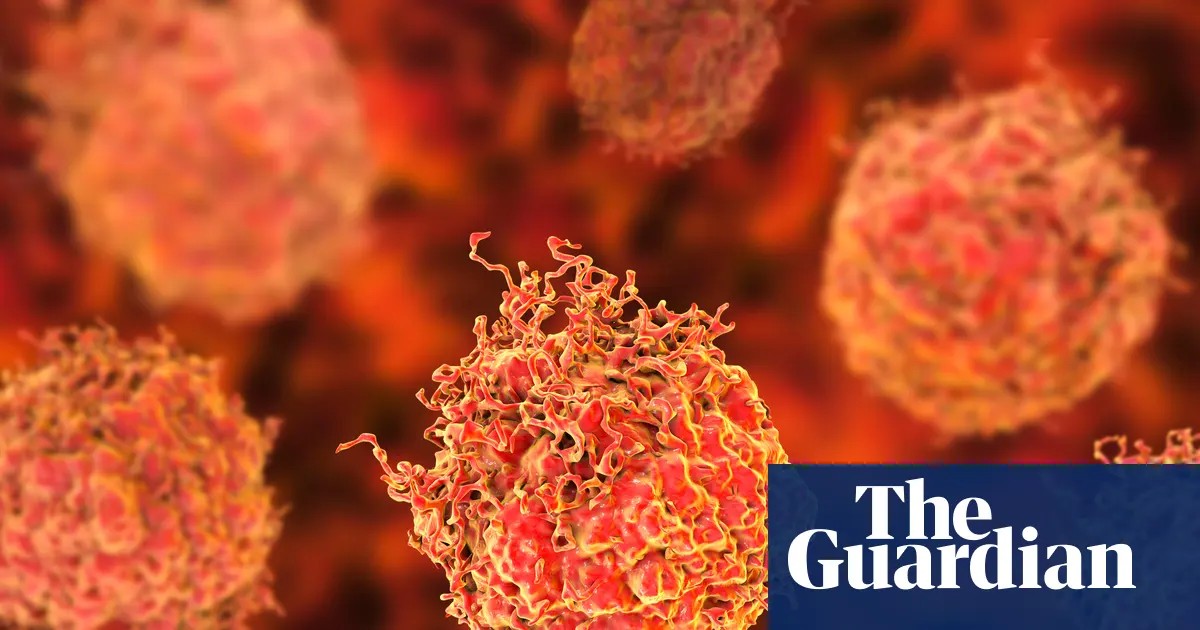
Early trial results reveal significant tumor reduction and minimal side effects in patients with advanced prostate cancer, offering a potential turning point in treatment.
Prostate cancer is the most commonly diagnosed cancer in men globally, affecting roughly 1.5 million individuals annually. While immunotherapy has revolutionized treatment for certain cancers, its impact on prostate cancer has remained limited—until now. Recent findings from a Phase 1 clinical trial demonstrate that a novel immunotherapy drug, VIR-5500, may overcome this resistance, eliciting a strong immune response against aggressive tumors.
How VIR-5500 Works: Engineering the Immune System
The drug, developed by Vir Biotechnology, utilizes a unique approach: it functions as a “T-cell engager,” artificially linking the body’s natural killer T-cells directly to cancer cells. Unlike previous iterations of this technology, VIR-5500 is designed to activate only within the tumor environment, minimizing systemic side effects like severe inflammation. This precision allows for sustained drug activity with fewer doses.
Trial Results: Unprecedented PSA Reduction and Tumor Shrinkage
The trial involved 58 men with advanced prostate cancer who had exhausted other treatment options. The results were striking:
- 88% of patients experienced only mild side effects.
- 82% of men receiving the highest dose showed at least a 50% reduction in prostate-specific antigen (PSA), a key biomarker for the disease.
- 53% saw a PSA drop of 90% or more.
- 29% achieved a 99% or greater reduction in PSA levels.
- Five out of eleven patients with measurable tumors exhibited tumor shrinkage, including one case where 14 cancerous liver lesions completely disappeared after six treatment cycles.
These findings, described by lead researcher Prof. Johann de Bono as “stunning,” suggest a breakthrough in treating a cancer once considered “immune-cold.” The data has not yet undergone peer review but was presented at the American Society of Clinical Oncology symposium.
Looking Ahead: Larger Trials and Broader Impact
Further clinical trials are now in planning stages to validate these early results. Experts emphasize the need for inclusive studies involving diverse patient populations to ensure equitable treatment outcomes, given disparities in prostate cancer mortality rates across ethnicities.
“These early results are extremely promising, with a number of men on the study responding positively to the treatment with minimal side effects… I look forward to seeing this now tested in larger trials, with the hope that this treatment will offer men more valuable time with their loved ones.” — Simon Grieveson, Prostate Cancer UK
This immunotherapy approach represents a significant step forward in prostate cancer treatment, potentially offering new hope for men facing advanced disease. While more research is necessary, the initial findings suggest that engineering the immune system to fight prostate cancer may finally become a reality.