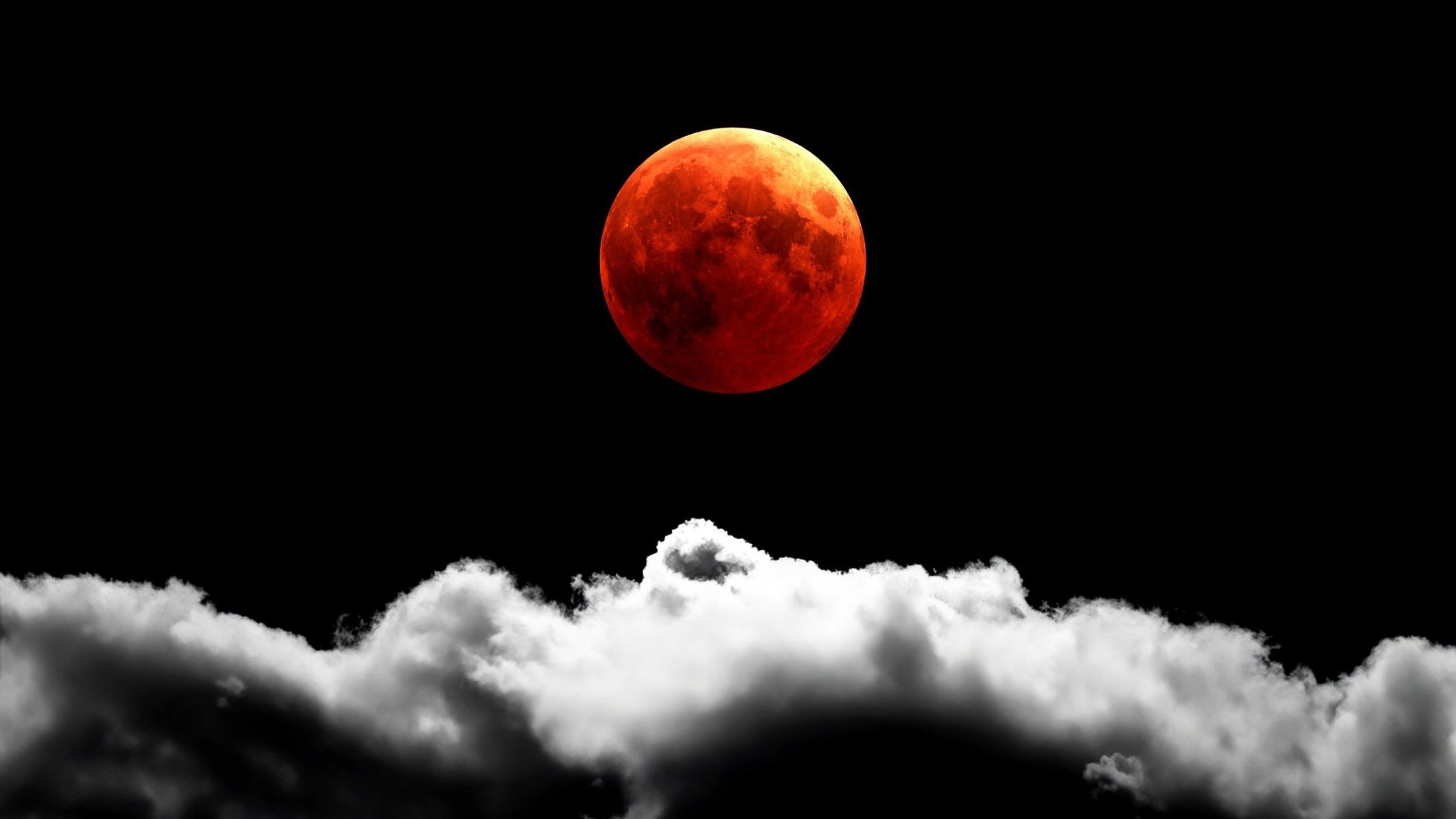
A total lunar eclipse, often called a “blood moon” due to the reddish hue the Moon takes on during totality, will be visible across the United States on Tuesday, March 3rd. The peak of the eclipse begins at 6:03 a.m. Eastern Time (3:03 a.m. Pacific), with the full phase lasting approximately 58 minutes. However, weather conditions will determine whether this celestial event can actually be seen.
Regional Viewing Prospects
The most favorable viewing conditions are expected in several key areas: southeast New England, Florida, the northern Rockies, the Southwest deserts, Nevada, and most of California. These regions currently face minimal weather disturbances, increasing the likelihood of clear skies.
In contrast, a significant portion of the country will struggle with cloud cover. A slow-moving weather front stretching from the Central Plains through the Upper Midwest to the Mid-Atlantic will bring widespread clouds and rain, particularly over eastern Kansas, Missouri, Illinois, and Indiana.
Other regions facing unfavorable conditions include parts of Utah, Wyoming, and Colorado where light rain or snow may fall, and the Northern Plains to the upper Great Lakes where a cold front is moving southward. The Carolinas also face cloudiness due to an inverted trough of low pressure drawing moist air from the Atlantic. Along the Pacific coast, a persistent marine layer threatens to obscure the Moon.
Timing & Eastern US Challenges
For observers in New York, New Jersey, Pennsylvania, and New England, the timing is unfortunate. While skies are likely to be clear in the evening, a shift in high pressure will allow clouds to move in from the west as the eclipse approaches. Those seeking clear views should consider traveling eastward to stay ahead of the advancing cloud cover, with eastern Massachusetts, southeast New Hampshire, and southern Maine offering the best prospects.
Sky Condition Breakdown
The National Oceanic and Atmospheric Administration (NOAA) provides a detailed forecast. Conditions are categorized as follows:
- GOOD (0-30% cloud cover): Clear or scattered clouds with high visibility.
- FAIR (30-70% cloud cover): Periodic views of the Moon are likely, with breaks in cloud cover.
- POOR (70-100% cloud cover): Complete or near-complete obstruction of the eclipse.
For local updates, check your National Weather Service Forecast Office via the NOAA map. Satellite imagery from GOES 16 can also provide real-time conditions.
Future Eclipse Opportunities
If you’re clouded out, the next total lunar eclipse visible from the contiguous U.S. will occur on June 25-26, 2029, with an unusually long totality of 102 minutes. An “almost” total eclipse is also coming on August 27-28, where 93% of the Moon will enter Earth’s shadow.
Ultimately, whether or not you’ll witness this lunar spectacle depends on your location and a bit of luck with the weather.