NASA astronaut Victor Glover, the pilot for the upcoming Artemis II mission, took manual control of the Orion spacecraft during a recent test flight, reporting positive feedback on its handling and improved systems compared to simulations.
Astronaut’s Positive Assessment
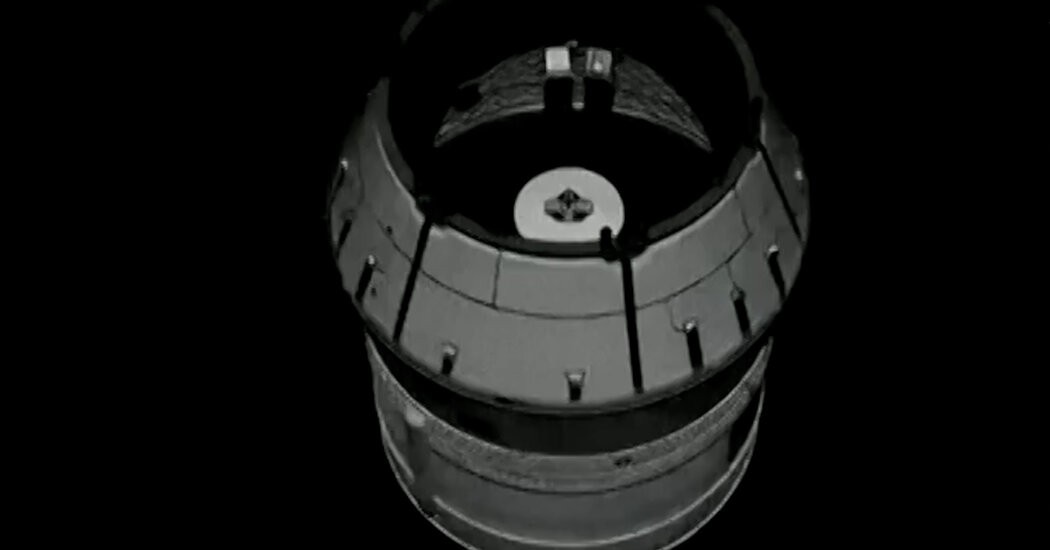
On Wednesday, following a long day of testing, Glover took over from the spacecraft’s computer, steering the Orion capsule manually. His report to mission control described the vehicle as “quite nice and very responsive.” Glover, a former Navy test pilot, also noted that the capsule’s camera system was superior to the one used in ground-based simulators.
Significance of Manual Control
While automated systems will largely manage Orion during lunar missions, astronauts must be prepared to take manual control in emergencies or to adjust for unexpected conditions. This test confirms that the capsule is responsive and predictable under human command. The fact that the real vehicle outperforms simulations suggests that the ground training is a conservative baseline, which is a good sign for mission safety.
Implications for Artemis II
The Artemis II mission, scheduled to carry four astronauts around the Moon, will rely on this same Orion capsule. Glover’s positive assessment underscores the vehicle’s readiness for manned flight. The crew will need this responsiveness to make real-time adjustments if necessary during their high-stakes mission.
The pilot’s hands-on evaluation is a critical step towards ensuring that Artemis II’s crew can confidently respond to any anomalies encountered on their historic lunar voyage.