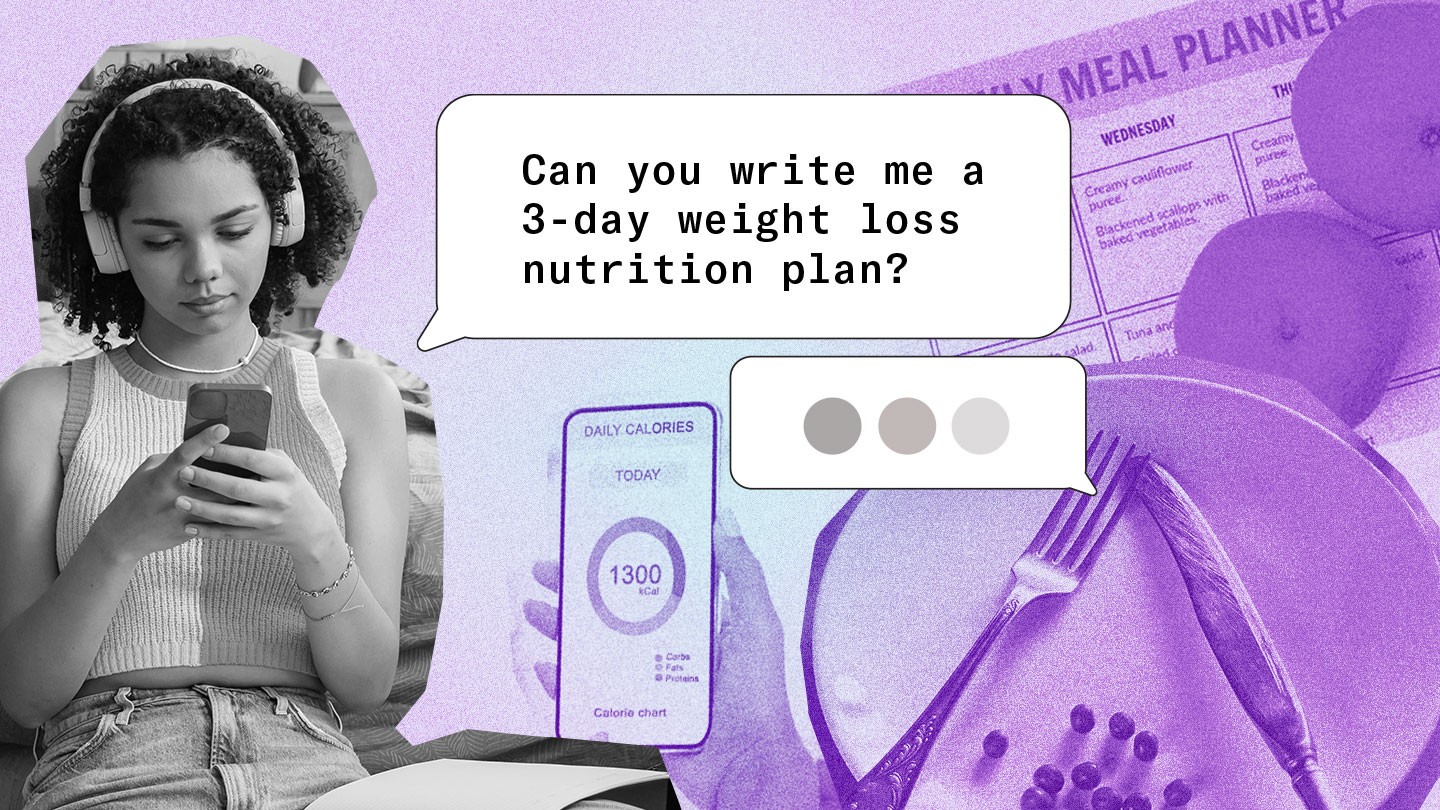
The trap of the chatbot
Teenagers ask computers how to eat. It’s 2024. The algorithm says salad. But wait, let’s check the rest of it. A recent study shows AI models are bad at this. Like, really bad. When asked to plan a week’s worth of meals for a teen, the results were dangerous.
Some diets were too high in calories. Some were way too low. One plan had enough fat to choke a horse. Another had almost none. The variability was insane. You can’t bet your health on a roulette wheel called “helpful AI.”
“It’s a minefield of misinformation waiting to happen.”
What the science actually says
Here’s the deal with nutrition. It isn’t magic. It’s chemistry. You need calories. Not just any calories. Your body burns energy like a car burns gas. Raise water by 1 degree Celsius? That takes a calorie. Do that for 1 kilogram of food? That’s a dietary calorie. Simple enough.
But macronutrients? Those are messy.
- Protein builds muscle and tissue. Amino acid chains.
- Fats store energy. Essential, yes, but toxic in excess.
- Carbohydrates (sugars, starch) power daily life. Hydrogen and oxygen.
Balance is the word experts use. The real ones. Not the chatbots.
A dietitian knows this. They are human experts. They look at your blood pressure, your blood sugar, your development. They understand that growth isn’t just height. It’s chemistry changes. Hormones. Shape. If you restrict calories now? You break that process.
The risk of “perfect” answers
AI doesn’t have a gut. It has patterns.
It trains on mountains of data. Sometimes good data. Lots of bad data. It doesn’t know difference between a fact and a Reddit thread. A prompt like “lose 20 pounds in a week” might get a scary reply. Maybe it suggests starvation. Maybe it suggests drinking oil. Who knows. The model predicts the next likely word, not the best medical advice.
This leads to disordered eating. It starts small. Secretly hiding food. Counting every bite until it hurts. Body image twists into obsession. Then it’s an eating disorder. A mental illness. Not a choice. A sickness.
Is it worth risking anorexia or bulimia because Siri guessed wrong? No. Obviously.
But kids do it. They don’t talk to a doctor first. They talk to an app. Social media feeds them anxiety. AI feeds them answers. Both are lying in their own ways. One sells a lifestyle, the other sells convenience. Neither sells health.
Who to listen to
There’s no shortcut. Nutritionists and doctors exist for a reason. They measure BMI, they check for obesity or being underweight. They understand that fat under your skin protects your organs. That protein repairs cells after sports. That vitamins and minerals run the engine.
Digital assistants like Siri or Alexa are cool for setting timers. They aren’t for your pancreas.
When the chatbot says “drink water,” that’s good. When it says “eat only ice,” run away.
The internet is loud. Algorithms are hungry. But your body? It needs truth. Not probability.