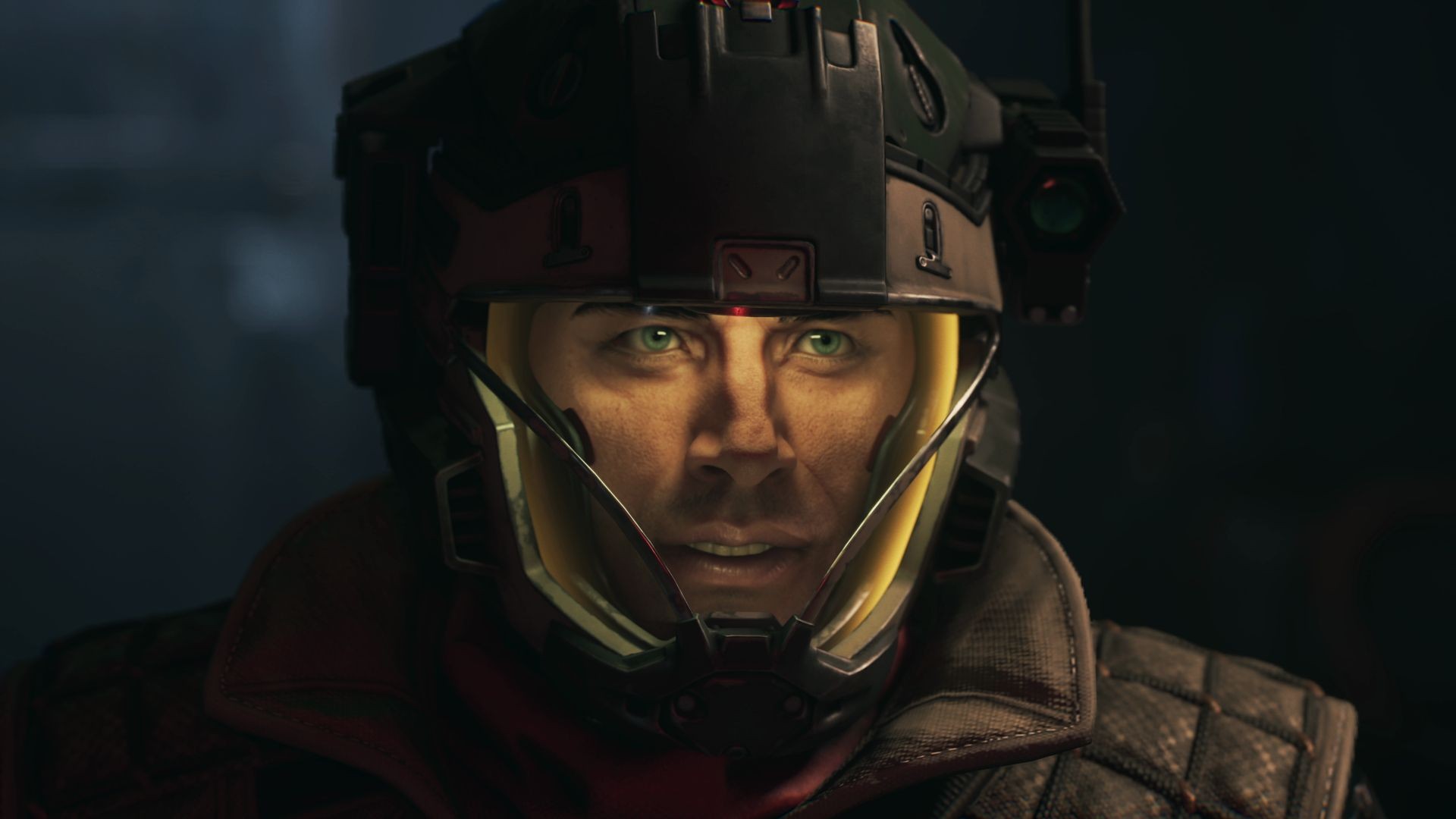
Following the massive success of their Warhammer 40,000: Rogue Trader title, Owlcat Games is pivoting from isometric CRPGs to a third-person perspective with their upcoming project, The Expanse: Osiris Reborn .
Based on the acclaimed sci-fi universe, the game aims to blend deep narrative choice with high-stakes tactical combat. While early comparisons point toward the DNA of classics like Mass Effect, the developers are emphasizing a more grounded, physics-driven approach to the genre.
Gameplay: Tactical Combat and Zero-G Physics
At its core, Osiris Reborn is a third-person cover shooter. However, rather than focusing solely on twitch reflexes, the game emphasizes tactical depth through environmental destruction and specialized abilities.
One of the most ambitious features is the implementation of zero-gravity combat. Unlike many space games that treat vacuum environments as mere aesthetic changes, Owlcat is integrating physics directly into the gameplay mechanics:
- Movement: Players will use magnetic boots to navigate surfaces, but the absence of a fixed “up” or “down” direction will fundamentally alter how players orient themselves during firefights.
- Adaptive Weaponry: Gadgets and weapons are designed to function across different gravity states. For example, an incendiary grenade becomes a “termite charge” in a vacuum, as traditional flames cannot exist in space.
- Exploration: Players can deploy drones to navigate debris fields and asteroid belts, a nod to the technical pilot maneuvers seen in the original series.
Narrative and the “Squad” Dynamic
The game is set within the established continuity of The Expanse, running parallel to the events of the first two seasons. While it offers a self-contained story, it features cameos from the series to reward long-time fans.
A central pillar of the experience is the companion system, which draws heavy inspiration from BioWare’s legendary RPG structures.
– Diverse Origins: Players will interact with a cast of six companions, whose personalities and perspectives are shaped by their backgrounds as Belters, Martians, or Earthers.
– Professionalism over Protagonist Syndrome: Rather than being the center of every universe, players lead a “team of professionals.” The developers aim to make companions feel like autonomous experts who continue to operate even when the player is off on a solo mission.
Why This Matters for the Genre
For years, the “space opera” RPG genre has been caught between two extremes: hyper-stylized space fantasy and overly complex simulators. By leaning into the “hard sci-fi” roots of The Expanse, Owlcat is attempting to bridge this gap.
The focus on how physics—like the lack of oxygen for fire or the trajectory of a grenade in zero-G—affects gameplay suggests a desire to create a world that feels consequential and realistic, rather than just a backdrop for action.
“The core of the game is a third-person cover shooter… we have designed [abilities] to be suitable for both the sections with gravity and without gravity.” — Leonid Rastorguev, Game Design Director
Looking Ahead
The development team is moving quickly toward a closed beta, scheduled to begin on April 22, 2026. This testing phase will be crucial in determining how well the transition from traditional gravity to zero-G combat feels to the player base.
The Expanse: Osiris Reborn seeks to combine the narrative weight of a classic RPG with a tactical combat system that respects the harsh, unforgiving physics of deep space.