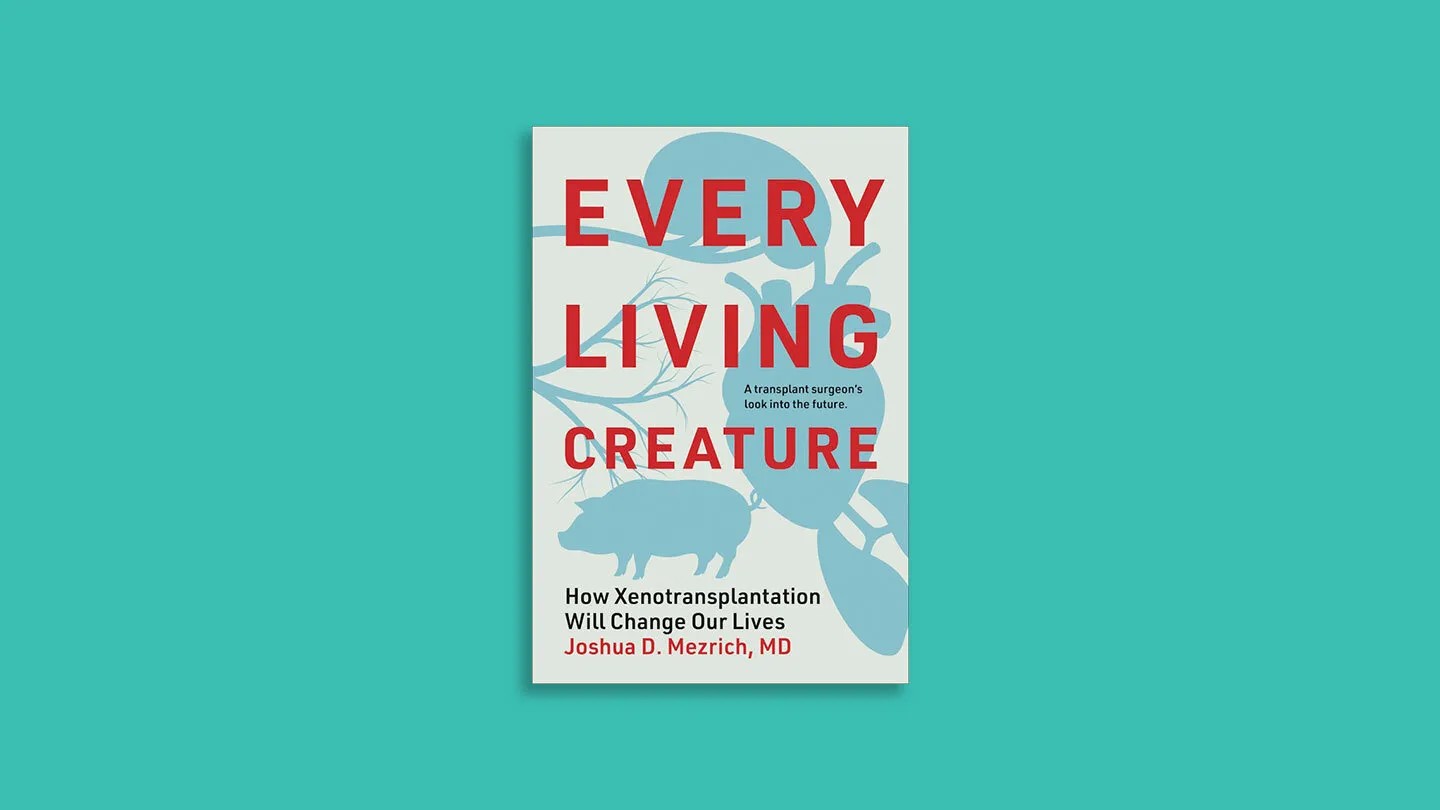
The critical shortage of human organs for transplant is a global crisis. In the United States alone, over 100,000 people are on waiting lists, and nearly 5,000 die annually before receiving a life-saving organ. This grim reality fuels the search for alternative solutions, and one increasingly viable option is xenotransplantation – the transplantation of organs from animals into humans. Specifically, genetically engineered pigs are emerging as a promising source.
The Promise of Pig Organs
For decades, the idea of using pig organs seemed like science fiction. But rapid advances in genetic engineering are changing that. Pigs are physiologically similar to humans, grow quickly, and can be bred in large numbers, making them ideal candidates for organ production. Researchers are modifying pig organs to reduce the risk of rejection by the human immune system, making them potentially better than natural human organs—more resistant to disease and able to withstand harsher conditions.
This isn’t just theoretical. The first human xenotransplants have already taken place. In 2022, David Bennett received a genetically engineered pig heart and survived for two months. Lawrence Faucette followed in 2023, living nearly six weeks with a pig heart. These early cases, while not long-term successes, provided invaluable data and proved the procedure’s feasibility.
Bridging the Gap: Pig Organs as Temporary Solutions
Recent progress suggests pig organs can serve as effective temporary solutions. Tim Andrews received a pig kidney in 2025 and lived with it for nine months, long enough to receive a human kidney transplant. This demonstrates that pig organs can function as a “bridge” for patients awaiting human organs, buying them crucial time.
Hurdles and Hope
Despite the progress, significant challenges remain. The human body still tends to reject foreign organs, even genetically modified ones. Biotech companies must also scale up pig farming to meet future demand. But Mezrich, a leading transplant surgeon, remains optimistic. He acknowledges that breakthroughs have always seemed “just around the corner” but believes science is steadily making these advances a reality.
The future of organ transplantation may well involve widespread use of pig organs. It’s no longer a distant possibility; it’s a rapidly approaching reality. The field is primed for expansion, and as technology improves, xenotransplantation could become the norm, offering a second chance at life for countless patients.