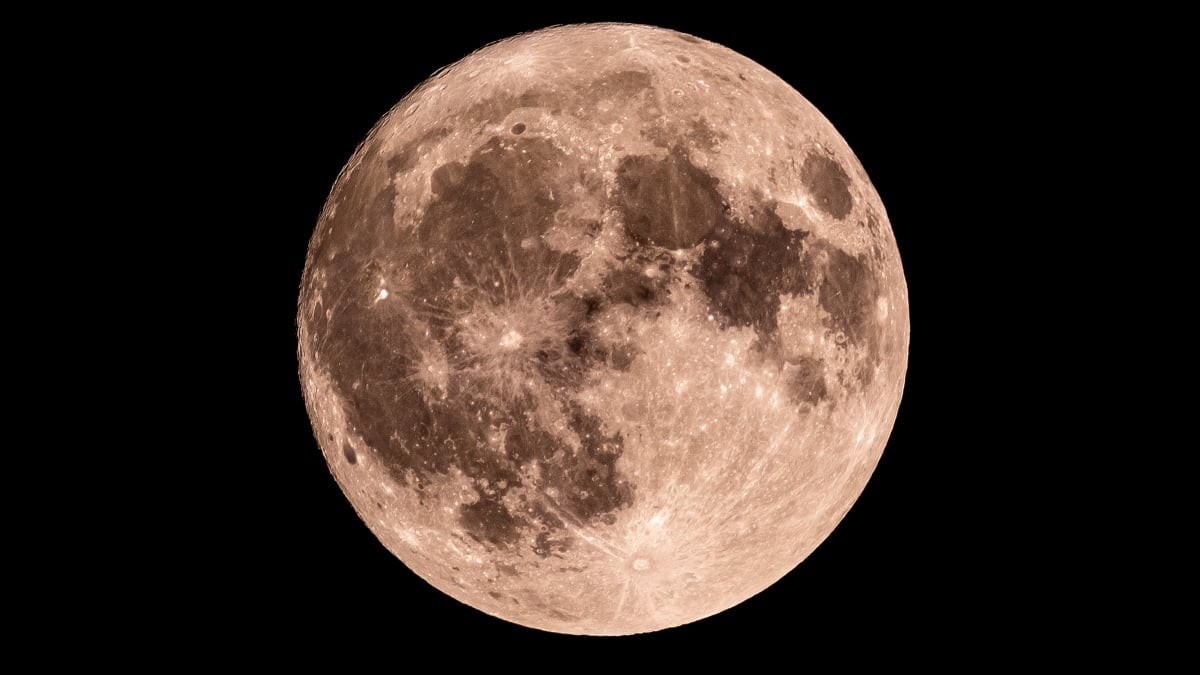
As of today, February 7, 2025, the Moon is in its Waning Gibbous phase, meaning it’s gradually becoming less illuminated as it moves towards the next Third Quarter phase. Approximately 71% of the Moon’s surface is currently visible, with sunlight highlighting features on its left side. This phase offers excellent opportunities for observation with minimal equipment.
What You Can See Tonight
Even without tools, observers can spot prominent lunar features like the Mares Vaporum and Imbrium, as well as the Aristarchus Plateau. Binoculars will reveal more detail, including craters like Clavius, Gassendi, and Archimedes. For those with telescopes, historic landing sites from Apollo 11 and 12, along with the Linne Crater, are within reach.
Understanding Lunar Phases
The Moon cycles through eight distinct phases over roughly 29.5 days—the time it takes to orbit Earth. The changing visibility isn’t about the Moon disappearing; it’s about how much of its sunlit surface faces us.
Here’s a breakdown of each phase:
- New Moon: The Moon is between Earth and the Sun, appearing dark because the side facing us isn’t illuminated.
- Waxing Crescent: A sliver of light emerges on the right side (Northern Hemisphere).
- First Quarter: Exactly half the Moon is lit on the right side.
- Waxing Gibbous: More than half illuminated, but not yet full.
- Full Moon: The entire face is bright.
- Waning Gibbous: Light begins to fade on the right side.
- Third Quarter (Last Quarter): Half lit again, but on the left side.
- Waning Crescent: A final sliver remains on the left before disappearing into the New Moon phase.
When Will the Next Full Moon Appear?
The next Full Moon is scheduled for March 3, offering another chance to observe the lunar surface in full brightness. Observing the Moon’s phases is not just a visual spectacle, but also a reminder of Earth’s celestial dance with its natural satellite.