New guidelines from leading US cardiologists – the American College of Cardiology and the American Heart Association – provide updated recommendations for managing high cholesterol. These revisions, replacing the 2018 standards, emphasize earlier detection, improved risk assessment, and a shift toward proactive prevention to reduce heart attack and stroke rates.
Why This Matters
Cardiovascular disease (CVD) remains the leading cause of death worldwide, but roughly 80% of it is preventable. These guidelines aren’t just technical updates; they’re a call for a more aggressive approach to heart health, starting younger and focusing on personalized risk mitigation. The goal is to alter the long-term trajectory of cardiovascular disease, not just treat it after damage is done.
Key Changes in the Guidelines
The updated recommendations cover several crucial areas:
- Earlier Screening: Individuals with a family history of heart disease or high cholesterol should undergo screenings at younger ages.
- Personalized Risk Assessment: Clinicians are encouraged to use more individualized methods for calculating a patient’s risk of future heart attacks and strokes.
- PREVENT Scoring System: The guidelines now recommend using the PREVENT (Predicting Risk of Cardiovascular Disease Events) score, including its application to high blood pressure assessments starting in August 2025. This standardized approach should improve accuracy in identifying at-risk patients.
- Updated Cholesterol Thresholds: Revised benchmarks for LDL and HDL levels provide doctors with clearer guidelines for evaluating patients.
Understanding Cholesterol Basics
Cholesterol itself isn’t inherently bad; it’s a necessary component for cell membranes and hormone production. However, imbalances are the problem:
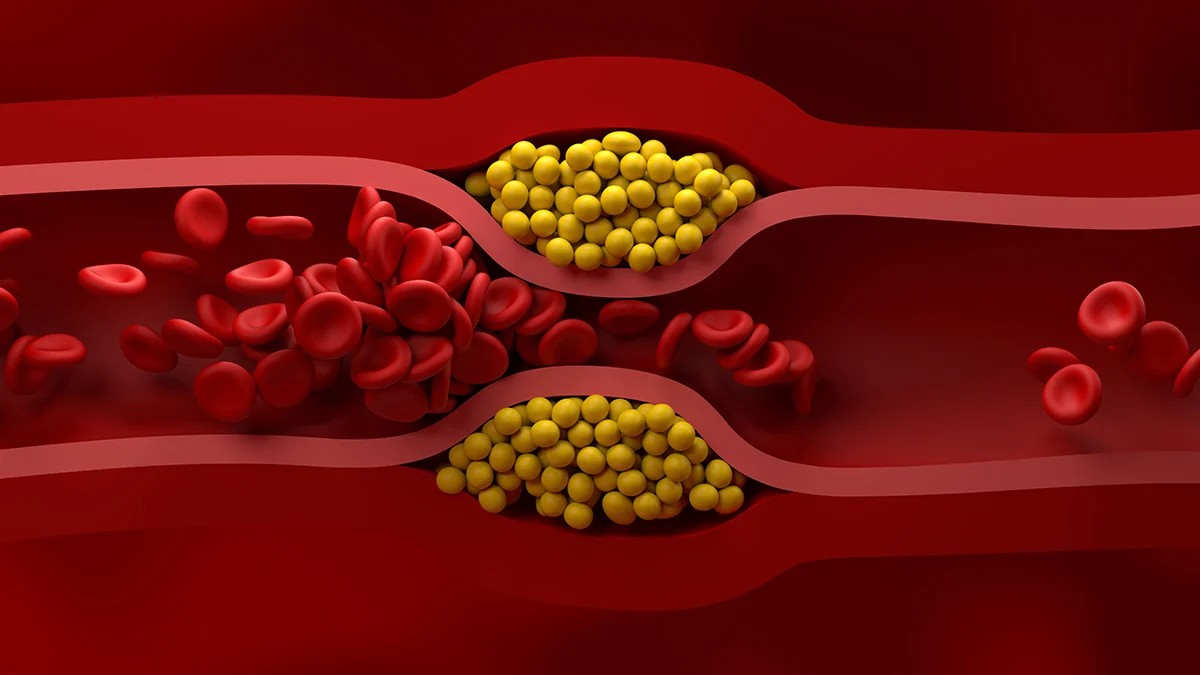
- LDL (“bad” cholesterol): Excess LDL leads to artery blockages, increasing the risk of heart attacks and strokes.
- HDL (“good” cholesterol): HDL removes excess LDL from the bloodstream, transporting it to the liver for breakdown.
The goal isn’t simply lowering cholesterol but maintaining a healthy balance.
Lifestyle Remains Crucial
While medical interventions exist, the fundamental advice remains unchanged:
- Eat a heart-healthy diet.
- Exercise regularly.
- Maintain a healthy weight.
- Get adequate sleep.
- Avoid smoking.
These measures can manage cholesterol and other fats in the body effectively. For many, medication may still be necessary, but lifestyle changes are the foundation of prevention.
Looking Ahead: Emerging Risks and Treatments
Experts are also reviewing the impact of newer factors like vaping and cannabis use on heart health. Refining the clinical definition of obesity is also crucial, as it significantly impacts cardiovascular risk.
Meanwhile, new drug candidates are showing promise in clinical trials, suggesting that pharmaceutical interventions will continue to evolve.
“Lower LDL cholesterol levels are better when it comes to reducing the risk of heart attacks, strokes and congestive heart failure,” says cardiologist Roger Blumenthal. “Taking action early in life is critical because high cholesterol begins to impact your heart disease risk even in adolescence.”
Ultimately, the new guidelines emphasize that proactive prevention – starting early and tailored to individual needs – is the most effective way to combat the global burden of cardiovascular disease. By giving doctors better tools and evidence-based recommendations, these updates aim to save lives and improve long-term heart health for millions.