Irritable Bowel Syndrome (IBS), a chronic condition affecting up to 10% of the global population, may be more fundamentally linked to our planet’s most constant force than previously understood: gravity. Dr. Brennan Spiegel, a gastroenterologist at Cedars-Sinai and UCLA, proposes a novel theory that “gravity intolerance” could be a unifying factor behind IBS and related conditions.
The “G-Force Cube” and Why It Matters
Spiegel’s hypothesis, detailed in his book Pull: How Gravity Shapes Your Body, Steadies the Mind, and Guides Our Health, suggests that susceptibility to IBS isn’t just about bacterial imbalances or diet, but also about how well our bodies handle the constant pull of Earth’s gravity. He frames this through a “G-force cube” consisting of three factors: resistance (the structural integrity of the intestines), detection (how our nervous system perceives gravitational strain), and vigilance (the body’s response to gravitational shifts).
This matters because it shifts the focus from isolated symptoms to a fundamental environmental stressor. If gravity intolerance is a contributing factor, it suggests that treatments addressing postural stability, musculoskeletal health, and even the gut-brain connection could be more effective than current approaches alone.
Comorbidities and the Gravity Connection
Patients with IBS often exhibit comorbidities like anxiety, depression, fibromyalgia, and Postural Orthostatic Tachycardia Syndrome (POTS). These conditions, while seemingly unrelated, share a common thread: sensitivity to physical stress and instability. Spiegel argues that gravity intolerance could explain why these conditions cluster together so frequently.
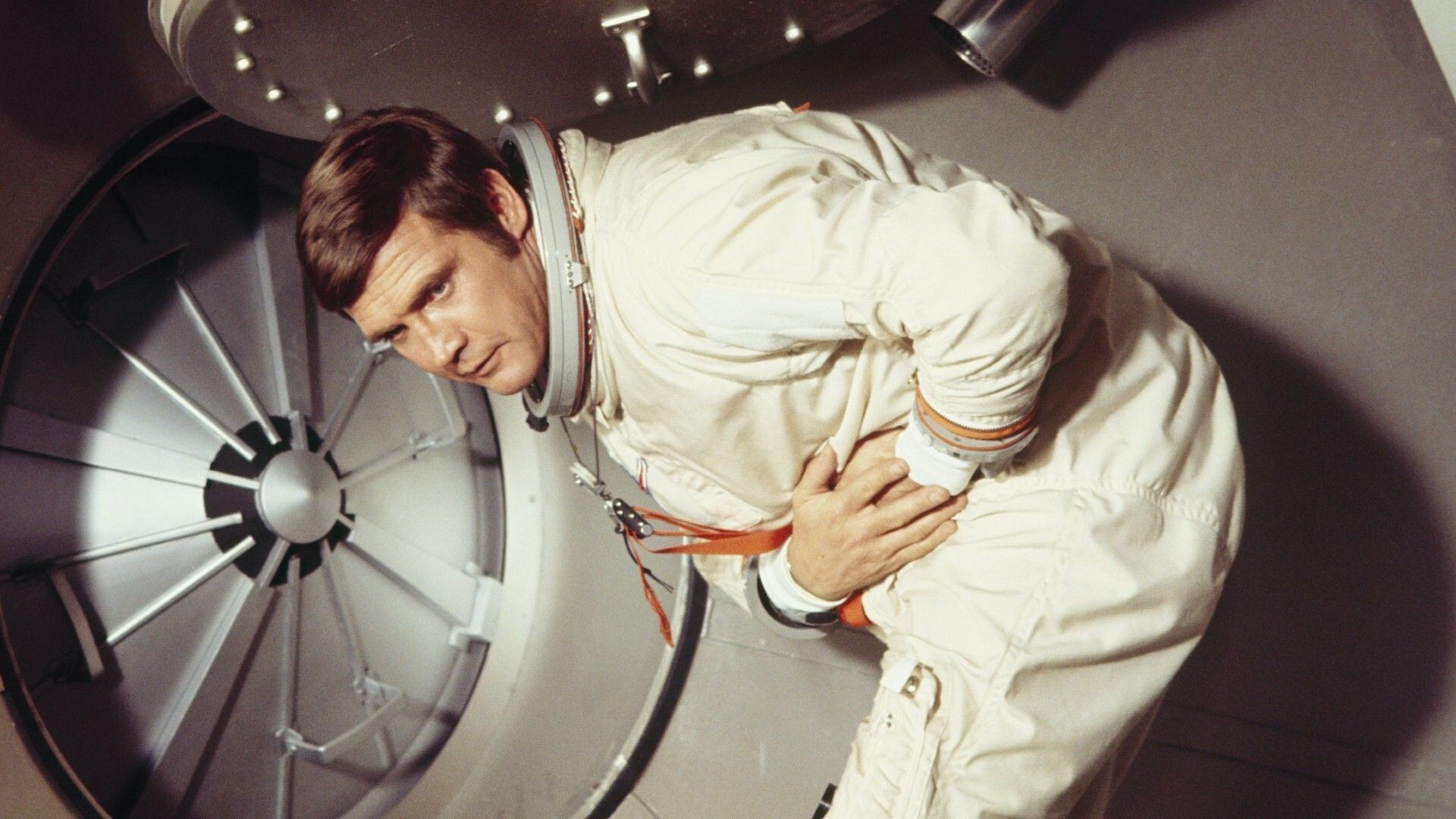
The connection is further illustrated by research on astronauts in microgravity. Space travelers experience increased digestive problems, including heartburn, diarrhea, and constipation, due to the altered gravitational environment. This suggests that our guts evolved to function under Earth’s gravity, and deviations from that norm can disrupt physiological processes.
The Gut-Brain Axis and the Role of Serotonin
Spiegel highlights the critical link between gut health and mental well-being. Approximately 90% of the body’s serotonin – a neurotransmitter regulating mood, appetite, and sleep – is produced in the gastrointestinal tract. Disruptions in gut function, potentially exacerbated by gravitational stress, could therefore contribute to mood disorders commonly seen in IBS patients.
Recent studies support this idea, demonstrating that astronauts’ gut microbiomes are negatively affected by microgravity, and suggesting routine microbiome testing as a tool for monitoring mental health in space.
Assessing Your “Gravitype”
Spiegel even developed a quiz to gauge individual susceptibility to gravity, measuring physical durability, nervous system sensitivity, and emotional resilience. While playful, the concept underscores the idea that people vary in their ability to cope with gravitational stress.
A Unifying Lens, Not a Replacement
Spiegel emphasizes that his theory isn’t meant to replace existing IBS research. Rather, it provides a broader framework for understanding the condition, integrating known risk factors like diet, genetics, and inflammation into a cohesive model. His work suggests that exploring gravity’s role in health could yield new therapeutic strategies, not just for IBS but for a range of conditions affected by gravitational stress.
Ultimately, recognizing gravity as a fundamental force influencing human physiology is not a radical departure from scientific understanding. It’s a natural extension of evolutionary biology and a reminder that our bodies evolved to thrive in a specific gravitational environment.