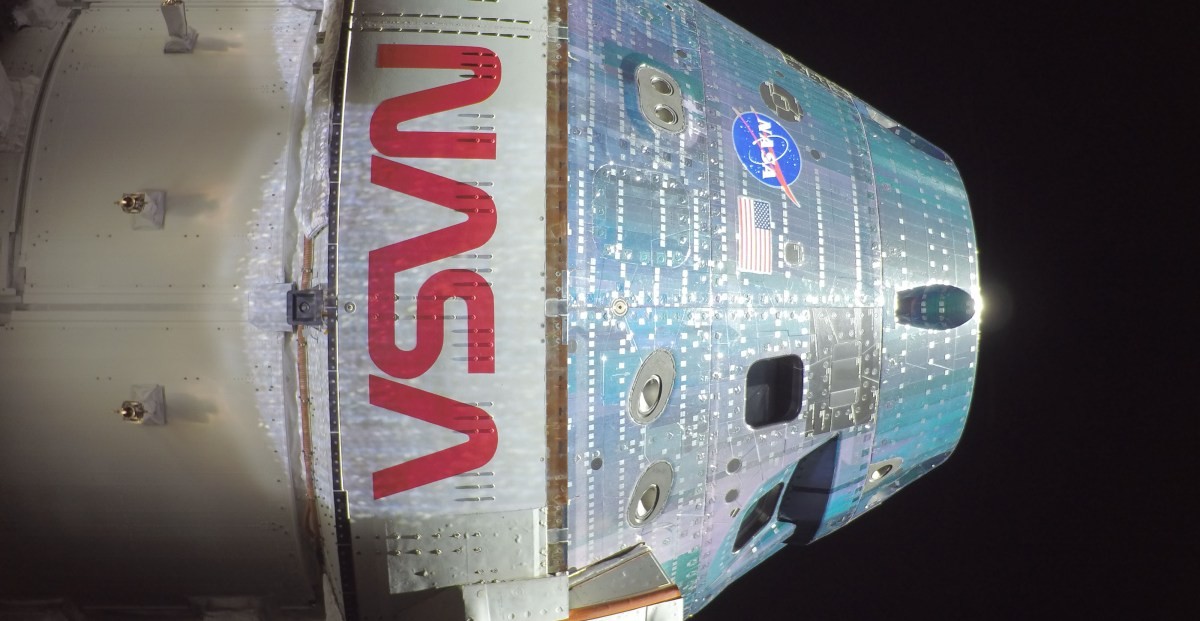
After a half-century hiatus since the final Apollo mission in 1972, NASA is preparing for a pivotal moment in space exploration. The Artemis II mission represents the first crewed flight of the Artemis program, marking a critical transition from testing hardware to putting human lives back into lunar orbit.
From Footprints to Permanent Presence
Unlike the Apollo era, which focused on short-term lunar visits and symbolic milestones, the Artemis program is designed with a much broader objective: sustainability.
NASA is not merely looking to revisit the Moon; the agency aims to establish a long-term human presence in the lunar vicinity. This shift in strategy is essential for several reasons:
– Deep Space Preparation: Learning to live and work near the Moon serves as a testing ground for future missions to Mars.
– Resource Utilization: Establishing a base allows scientists to study lunar resources that could support long-term habitation.
– Inclusivity: A central goal of the program is to land the first woman and the first person of color on the lunar surface.
The Roadmap to the Moon
The Artemis program follows a methodical, step-by-step approach to ensure safety and technical reliability.
- Artemis I (Completed 2022): An uncrewed test flight that successfully validated the Orion capsule and the SLS rocket systems.
- Artemis II (Scheduled for April 2, 2026): This mission will carry four astronauts aboard the Orion capsule. The crew will perform a 10-day mission, traveling around the Moon to test life-support systems and hardware in a deep-space environment.
- Artemis IV (Targeted for 2028): If Artemis II proves successful, this mission is intended to see humans actually landing on the lunar surface once again.
Navigating Challenges
The path to the Moon has not been without friction. The Artemis program has faced significant hurdles, including protracted delays, technical development setbacks, and substantial budget overruns. These challenges highlight the immense complexity of modern spaceflight and the high financial stakes involved in competing for lunar dominance.
Despite these obstacles, the mission remains a cornerstone of modern space exploration, bridging the gap between the historic Apollo achievements and a future where humanity lives beyond Earth’s orbit.
Artemis II serves as the ultimate “stress test” for human spaceflight, proving that NASA can safely transport a crew through deep space before attempting a lunar landing.
In summary, Artemis II is the critical bridge between uncrewed testing and permanent lunar habitation, testing the vital systems required to keep humans safe during the next era of space exploration.