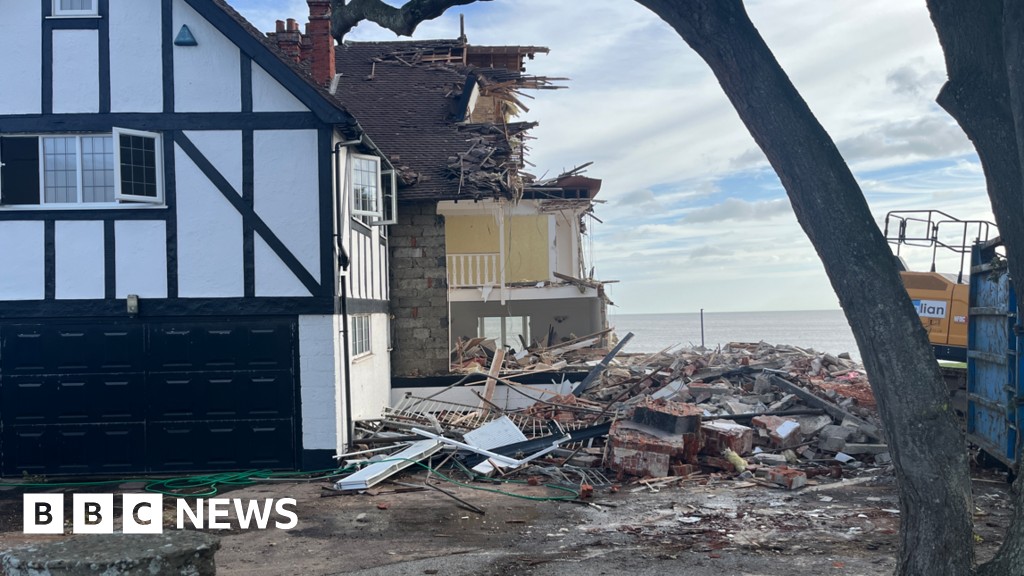
Coastal erosion is forcing homeowners in Thorpeness, Suffolk, to demolish their properties, and East Suffolk Council has committed to covering the costs – estimated at £330,000 – despite not being legally obligated to do so. The decision comes as erosion rates have dramatically increased this winter, claiming four homes already and leaving nine more at immediate risk.
Unprecedented Erosion Rates
The situation has escalated rapidly. Initially, the council anticipated that erosion would stabilize, but recent severe weather has caused significant land loss, leaving homeowners with a devastating choice: demolish or lose their properties to the sea.
“Property owners are suffering a genuinely devastating experience,” stated Mark Packard, East Suffolk Council’s cabinet member for planning and coastal management. “We are able to address one of the most worrying elements of this upsetting situation.”
The council is drawing from its reserves to fund demolitions, recognizing the financial burden on residents facing this crisis. This intervention is a direct response to the unexpectedly severe erosion, which has outpaced previous projections.
Long-Term Coastal Management Challenges
This immediate funding addresses a critical need, but the underlying issue remains: the ongoing loss of coastline. Over the past year, the council has already spent £750,000 on sea defenses, yet these efforts have proven insufficient to halt the erosion. There are currently no planned measures to address the issue.
The situation highlights a broader problem facing coastal communities worldwide: accelerating erosion due to climate change and rising sea levels. While the council’s response is a necessary step, it does not offer a long-term solution for the affected homeowners or the broader threat to coastal infrastructure.
A Village in Transition
Thorpeness, once an exclusive 19th-century resort, including the Meare boating lake, inspired by the story of Peter Pan, is now experiencing a painful decline. The village’s fate serves as a stark reminder of the vulnerability of coastal communities in the face of climate change. The council’s financial aid is a temporary measure; long-term sustainability requires broader adaptation strategies and potentially, the managed retreat of communities from eroding coastlines.
The crisis in Thorpeness underscores a difficult reality: some communities may not be able to withstand the relentless advance of the sea, and proactive measures – including funding demolitions – may be the only way to mitigate the most immediate suffering.