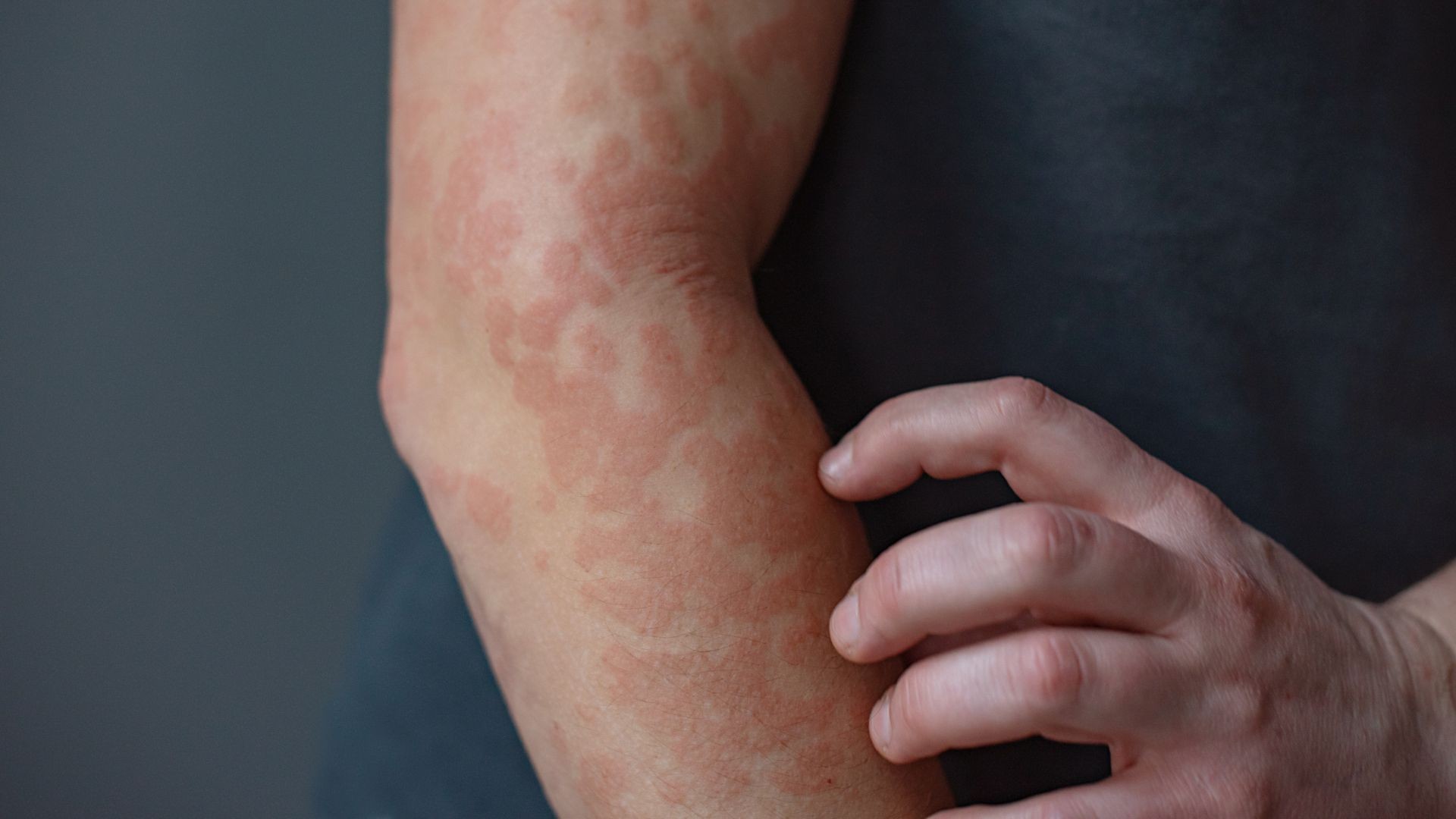
New research has uncovered a surprising role for keratin, the protein responsible for the structure of our skin, hair, and nails. Traditionally viewed solely as a structural building block, keratin is now being identified as a critical regulator of the immune system. Specifically, scientists have discovered that keratin 16 (K16) acts as a biological “brake” that prevents runaway inflammation in the skin.
The Discovery: Keratin as an Immune Regulator
In a study published in Science Translational Medicine, researchers from the University of Michigan revealed that keratin 16 does more than just provide mechanical strength to cells. It plays a vital role in modulating the signals that recruit the immune system to the skin.
The research team, led by postdoctoral researcher Erez Cohen and senior author Pierre Coulombe, found that:
– Normal Function: K16 helps regulate type I interferons —a family of proteins that orchestrate immune responses. By modulating these signals, K16 prevents the immune system from overreacting.
– The “Brake” Mechanism: When K16 is functioning correctly, it keeps inflammation in check.
– The Mutation Effect: When the KRT16 gene is mutated or missing, this “brake” is released. This causes type I interferon signaling to skyrocket, leading to chronic, uncontrolled inflammation.
From Structural Failure to Immune Chaos
To understand why this matters, one must look at the mechanics of the skin. Experts describe keratins as the “steel cables” of a cell, providing the tensile strength necessary to resist physical stress.
In patients with pachyonychia congenita (PC) —a rare genetic disorder caused by KRT16 mutations—this structural integrity is compromised. In high-friction areas like the soles of the feet, the skin cells break down under the pressure of walking or running. This physical breakdown creates a secondary crisis: as the skin’s barrier fails, the immune system detects the damage and triggers a massive inflammatory response.
This connection explains a common cycle in many skin conditions:
1. Structural Stress: Mechanical friction or genetic mutation weakens the skin cells.
2. Barrier Breach: The “steel cables” fail, leaving the skin prone to tears.
3. Immune Overdrive: Without the K16 “brake,” the body’s inflammatory response becomes hyperactive, leading to the painful calluses, blisters, and redness characteristic of PC, psoriasis, and eczema.
Implications for Future Medicine
The ability to link a specific protein mutation to a specific immune pathway provides a clear roadmap for drug development. This shift in understanding moves keratin from a passive structural component to an active participant in skin defense.
The researchers have already begun testing this theory in laboratory models. By using an inhibitor of type I interferons, they were able to clear skin lesions in mice that modeled the PC condition.
“Knowing that Keratin 16 acts as an inflammatory brake gives us a direct target for new treatments and diagnostics,” the researchers noted.
This discovery suggests that instead of just treating the symptoms of skin inflammation, future therapies might focus on recalibrating the immune signals that K16 is supposed to control.
Conclusion
By identifying keratin 16 as a regulator of interferon signaling, scientists have uncovered a fundamental mechanism behind inflammatory skin diseases. This breakthrough opens the door to targeted therapies that could treat conditions like psoriasis and pachyonychia congenita by effectively “re-applying the brakes” to the immune system.