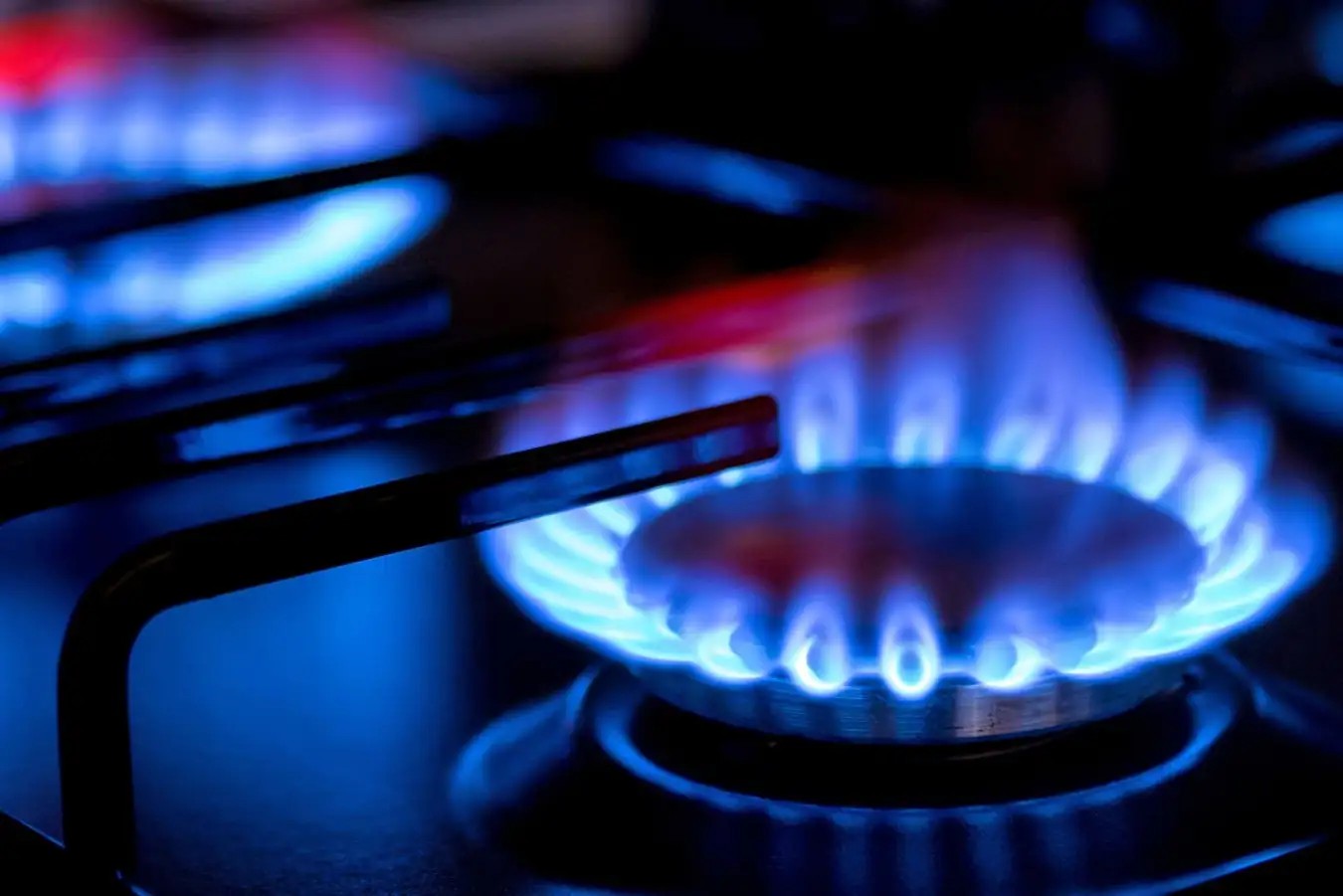
Hidden chemical exposure from gas stoves may pose a significant health risk across Europe, according to new research. A study across the UK, Netherlands, and Italy reveals that nearly 10% of homes tested exhibited gas leaks releasing benzene at levels exceeding safety limits. The findings raise concerns about long-term health impacts, including increased cancer risk.
The Invisible Threat: Benzene in Your Kitchen
Natural gas isn’t just methane; it often contains volatile organic compounds (VOCs), some of which are hazardous. Benzene is the primary concern, as exposure can trigger leukaemia, suppress the immune system, and cause anaemia. Previous studies confirmed high benzene concentrations in gas supplies, but this new research quantifies the exposure levels inside homes.
The study, conducted by PSE Healthy Energy, found benzene concentrations in European homes were dramatically higher than in the US: 9x higher in Italy, 37x higher in the UK, and a staggering 66x higher in the Netherlands. In almost one in ten homes, benzene leakage alone exceeded established safety thresholds.
“It’s akin to living with a smoker,” says researcher Drew Michanowicz. “Secondhand smoke creates a similar level of benzene indoors.”
Why This Matters: Beyond the Numbers
These leaks are often imperceptible by smell, meaning many households are unknowingly exposed. This is particularly alarming because benzene has no safe exposure level. The problem isn’t limited to gas itself: cooking with gas also releases pollutants like nitrogen oxides, though typically for shorter periods.
The implications extend beyond immediate health risks. Energy efficiency measures—like sealing homes tighter—can ironically worsen the problem by reducing ventilation. This means indoor pollution from gas leaks, even small ones, can accumulate to dangerous levels.
What Can Be Done?
Experts suggest transitioning to safer alternatives like induction hobs, which eliminate benzene exposure and offer superior energy efficiency. Induction stoves also remove the risk of gas explosions, a benefit often overlooked.
Short of replacing gas appliances, improved ventilation is crucial. Heat recovery ventilation systems can minimize energy loss while ensuring fresh air circulation. Building codes should also prioritize indoor air quality, not just energy conservation.
The takeaway is clear: gas appliances may be quietly poisoning homes across Europe. The study underscores the need for greater awareness, stricter regulations, and ultimately, a shift toward cleaner cooking technologies.