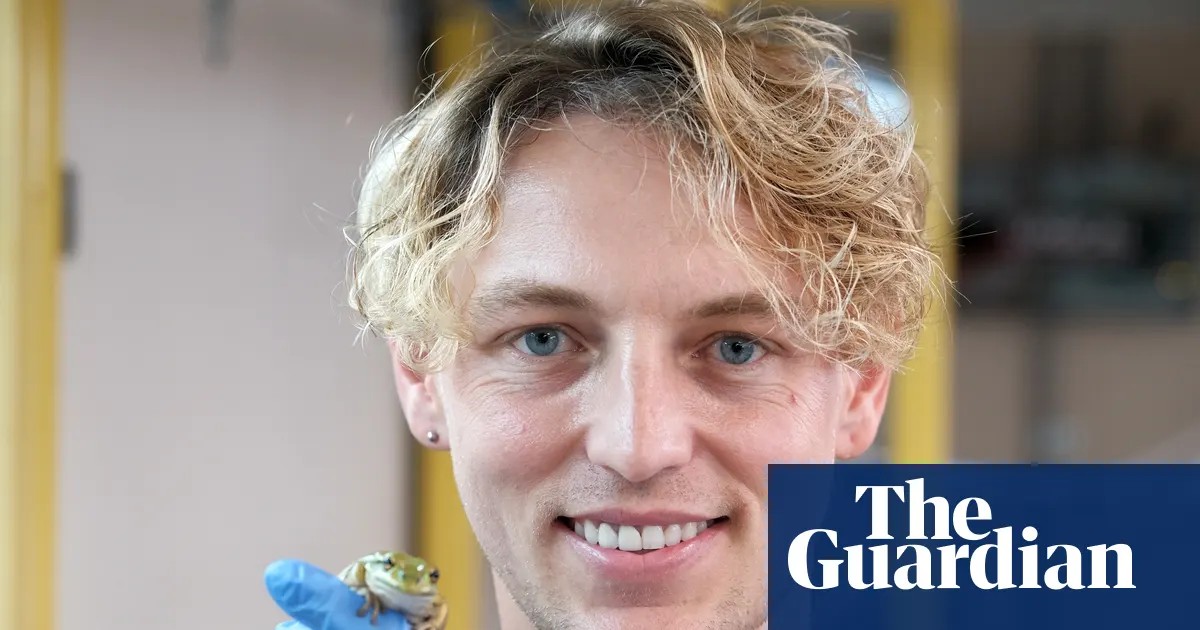
A childhood fascination with tadpoles has driven biologist Anthony Waddle to the forefront of amphibian conservation. Now leading cutting-edge research in Australia, Waddle is developing radical strategies – from heated shelters to genetic modification – to combat the chytrid fungus, a disease decimating frog populations worldwide.
The Amphibian Emergency: Why Frogs Matter
Frogs and other amphibians are facing an extinction crisis. The chytrid fungus has already wiped out 90 species, with over 500 more threatened. This isn’t just about losing a charismatic animal; amphibians play a vital role in ecosystems, controlling insect populations (including disease vectors) and holding potential for groundbreaking medical discoveries. Their skin may hold the key to new, non-addictive painkillers and antibiotic alternatives.
From Bricks to Biotechnology: Waddle’s Innovative Approach
Waddle’s work began with a simple observation: warmer temperatures inhibit the fungus. This led to the construction of small-scale “saunas” – masonry brick shelters topped with greenhouses – designed to raise frog body temperatures during colder months. The experiment proved successful; frogs sheltered in these heated enclosures showed increased resistance to the fungus.
However, Waddle didn’t stop there. Recognizing the need for broader solutions, he turned to vaccination and synthetic biology. He is now spearheading projects to immunize and release hundreds of green and golden bell frogs into the wild, hoping to bolster declining populations. For species that cannot be vaccinated, such as the critically endangered southern corroboree frog, his team is venturing into gene replacement experiments.
“We can’t just be willy-nilly slapping genes into frogs, but at the research level we should be investigating synthetic biology… we’re going to start using these methods in the wild for conservation.” – Anthony Waddle
The Ethical Debate Surrounding Genetic Intervention
Synthetic biology – the editing of organisms by altering their genetic material – remains controversial. While advocates see it as a tool to combat genetic bottlenecks and enhance disease resistance, critics raise ethical concerns and warn of potential unintended consequences. Despite this debate, Waddle believes controlled application of synthetic biology is essential. His goal is to test these methods on multiple Australian species, with the long-term aim of sharing effective solutions globally.
A Ray of Hope for Amphibian Conservation
Australian herpetologist Dr. Jodi Rowley describes Waddle’s work as “a ray of hope,” noting that over 40% of amphibian species are already threatened with extinction. His approach, combining immediate interventions like heated shelters with long-term solutions like genetic engineering, represents a bold attempt to reverse the trend.
Waddle’s relentless curiosity and drive – born from a childhood spent observing tadpoles – are pushing the boundaries of conservation biology. The challenges are immense, but his optimism and dedication suggest a potential turning point in the fight to save amphibians from extinction.